 4.9
4.9


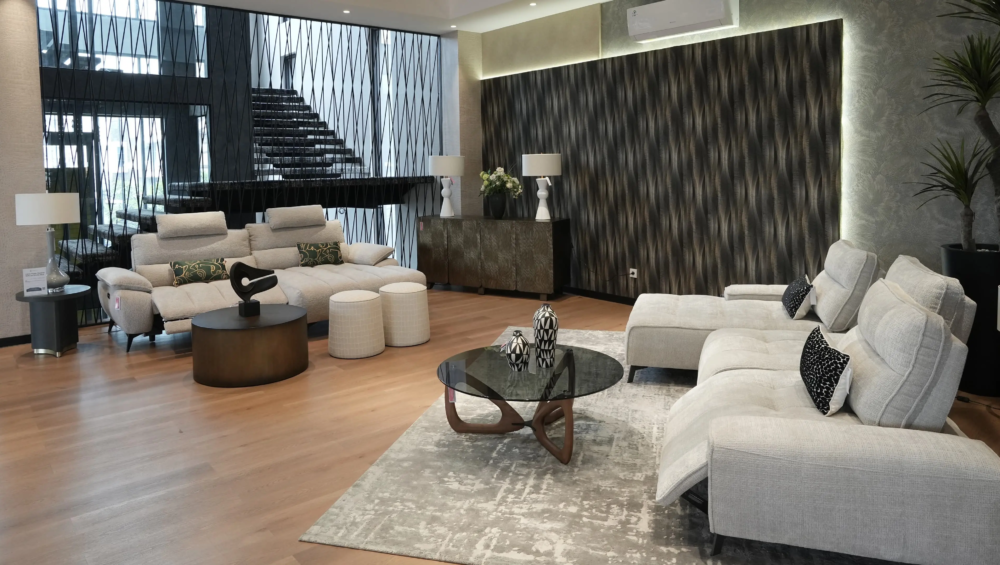
Choosing a rug often feels more challenging than selecting a sofa or a table. Whether in showrooms or on social media, homeowners are easily captivated by a dazzling array of patterns, textures, and colors.
Yet, when it comes time to make a choice for their own homes, many people default to the designs that feel the safest.
In reality, a rug is far more than just a decorative accessory. With the right size, shape, material, and style, a rug can transform a room’s character while reinforcing the overall interior design identity.
At Home Decor Indonesia, we believe that selecting a rug is not merely about aesthetics; it is also about how the piece harmonizes with your furniture and creates visual balance within the space.
With that in mind, here are some key factors to consider before choosing the perfect rug for your home’s interior.
1. Determine the Rug Size Based on the Room’s Function.
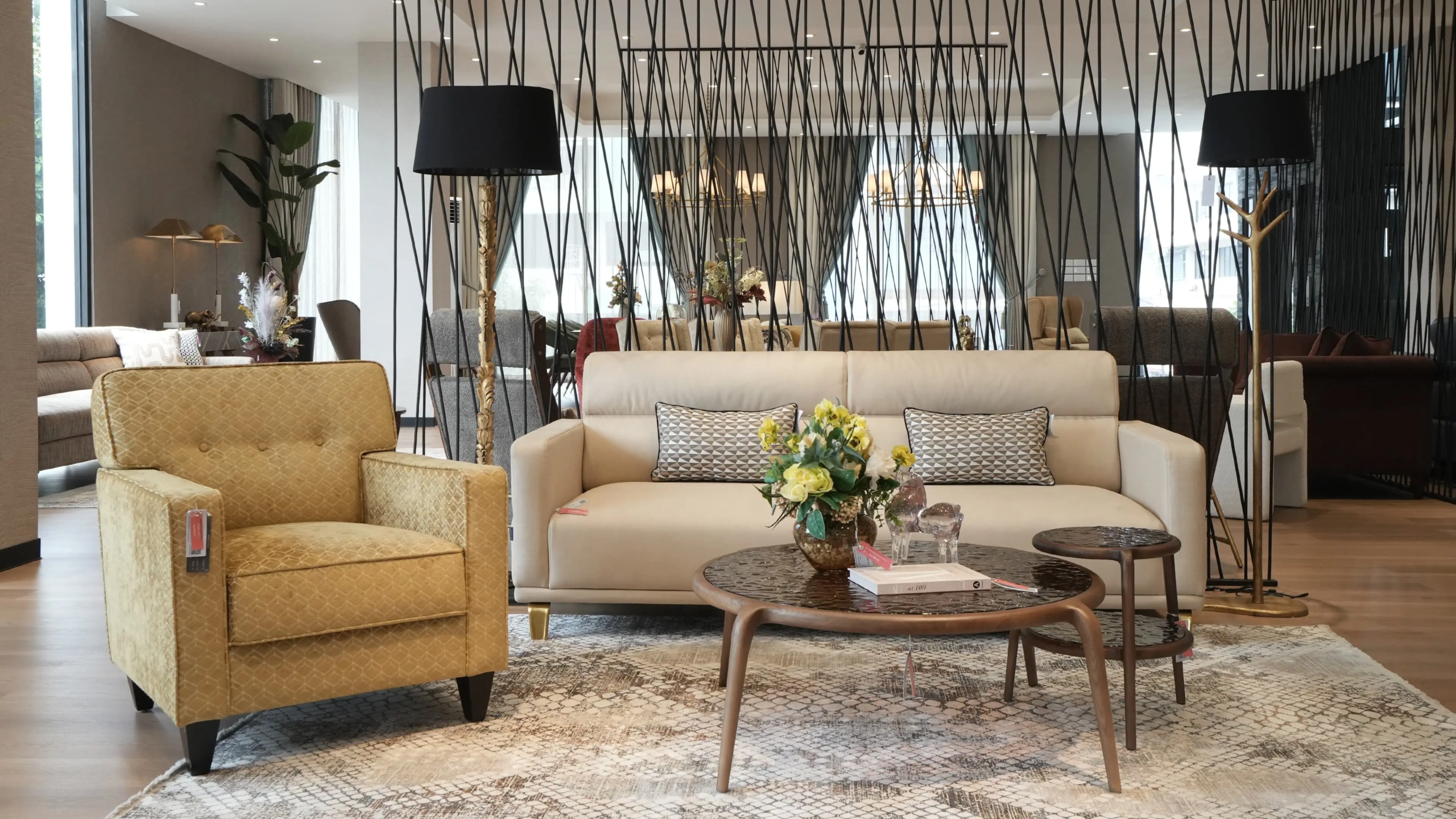
Size is the first factor to consider when choosing a premium rug. A rug that is too small can make the furniture arrangement look disjointed and monotonous, whereas a well-proportioned rug ties interior elements together, creating a neater and more elegant look.
Here are some guidelines for rug sizing based on room function that you can apply:
• Living Room
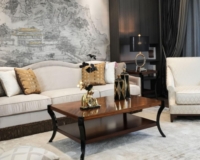
Ideally, a living room rug should sit beneath the front legs of the sofa. This placement helps anchor the sofa and coffee table within a unified seating area, creating a more harmonious interior look.
If space permits, you can also choose a rug large enough to accommodate all the sofa’s legs. Generally, rectangular rugs come in three standard size categories:
- Small (160×230 cm): suitable for minimalist living rooms.
- Medium (200×300 cm): standard for living rooms.
- Large (240×300 cm): ideal for spacious living rooms.
Meanwhile, common diameter options for round rugs include:
- Small (120–150 cm diameter): suitable for reading nooks.
- Medium (180–200 cm diameter): fits living rooms with 2- to 3-seater sofas.
- Large (140–150 cm diameter): ideal for spacious living rooms with curved sofas.
• Dining Room
Moving on to the dining room, the rug size needs to account for chair movement. Ensure that all chair legs remain on the rug, even when the chairs are pulled back during use.
As a guideline, allow for a clearance of approximately 60 cm on each side of the dining table; this ensures that sitting down and standing up remain comfortable without the chairs moving off the rug.
2. Choose a Rug Shape that Suits the Furniture Layout.
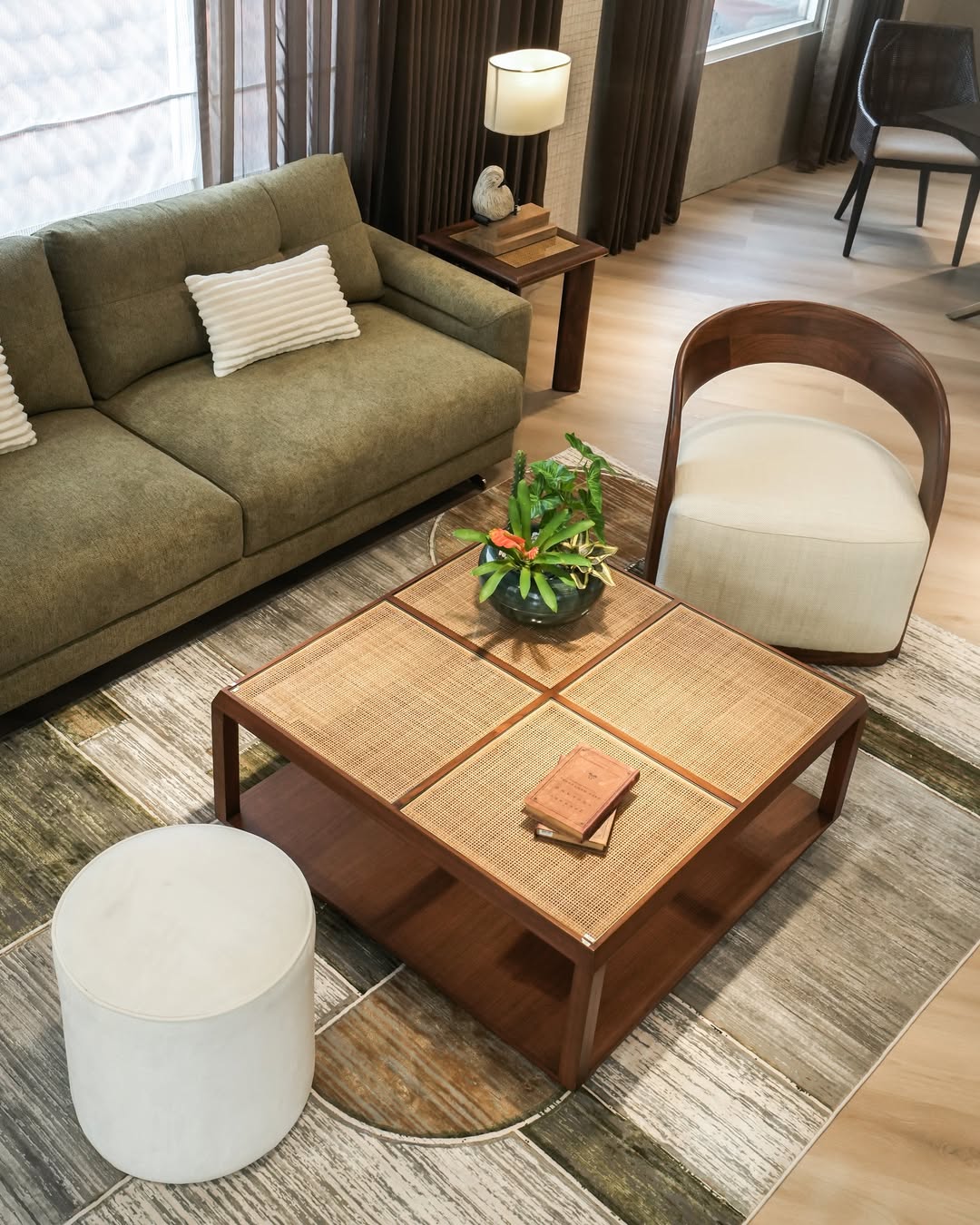
As previously mentioned, the shape of a rug plays a crucial role in establishing visual balance within a room.
The right shape complements the arrangement of furniture, making the interior feel organized and well-proportioned. Conversely, an unsuitable shape can make the space look awkward, even when high-end furniture is used.
Before making a choice, consider matching the rug’s shape to the room’s function and the furniture layout.
• Rectangular Rug
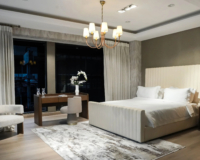
Rectangular rugs are the most common choice because they pair easily with various types of furniture. This shape is ideal for living rooms, dining rooms, and even bedrooms, as it visually ties the seating area together.
In a living room, for instance, a rectangular rug can be placed beneath the sofa and coffee table, making the entire seating area feel more cohesive and comfortable.
• Round Rug
If you wish to create a more dynamic atmosphere, a round rug can be an appealing alternative. Its shape breaks up the sharp lines of the furniture, lending the room a softer, less monotonous feel.
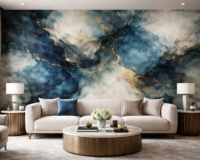
Round rugs are perfect for reading corners, lounge areas, and foyers, or for placement beneath a round coffee table to create an elegant focal point.
3. Match the carpet material to the indoor activities.
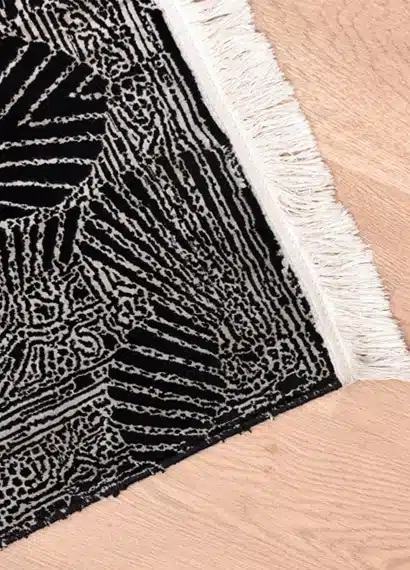
Premium carpets are distinguished not only by their appearance but also by the materials used. Each material possesses unique characteristics—ranging from comfort levels and durability to maintenance requirements. Therefore, selecting the right material helps ensure the carpet remains comfortable to use while also lasting longer.
Before making a choice, consider how the room is used on a daily basis.
- Wool Carpet
We can all agree that wool carpets offer a soft, warm texture and lend a luxurious feel to an interior. Thanks to their durability, these natural-fiber carpets are frequently chosen for formal living rooms and family areas designed with a premium aesthetic.
Beyond the comfort they provide underfoot, wool fibers retain their shape over the long term when properly maintained.
- Synthetic Fiber Carpet
Synthetic fiber carpets offer easier maintenance and good durability for daily use.
This material is an excellent choice for families with young children or pets, as it is generally easier to clean than natural fibers.
Today, many premium synthetic carpets offer an elegant look with textures that resemble natural materials.
4. Match the carpet pattern to the interior concept.
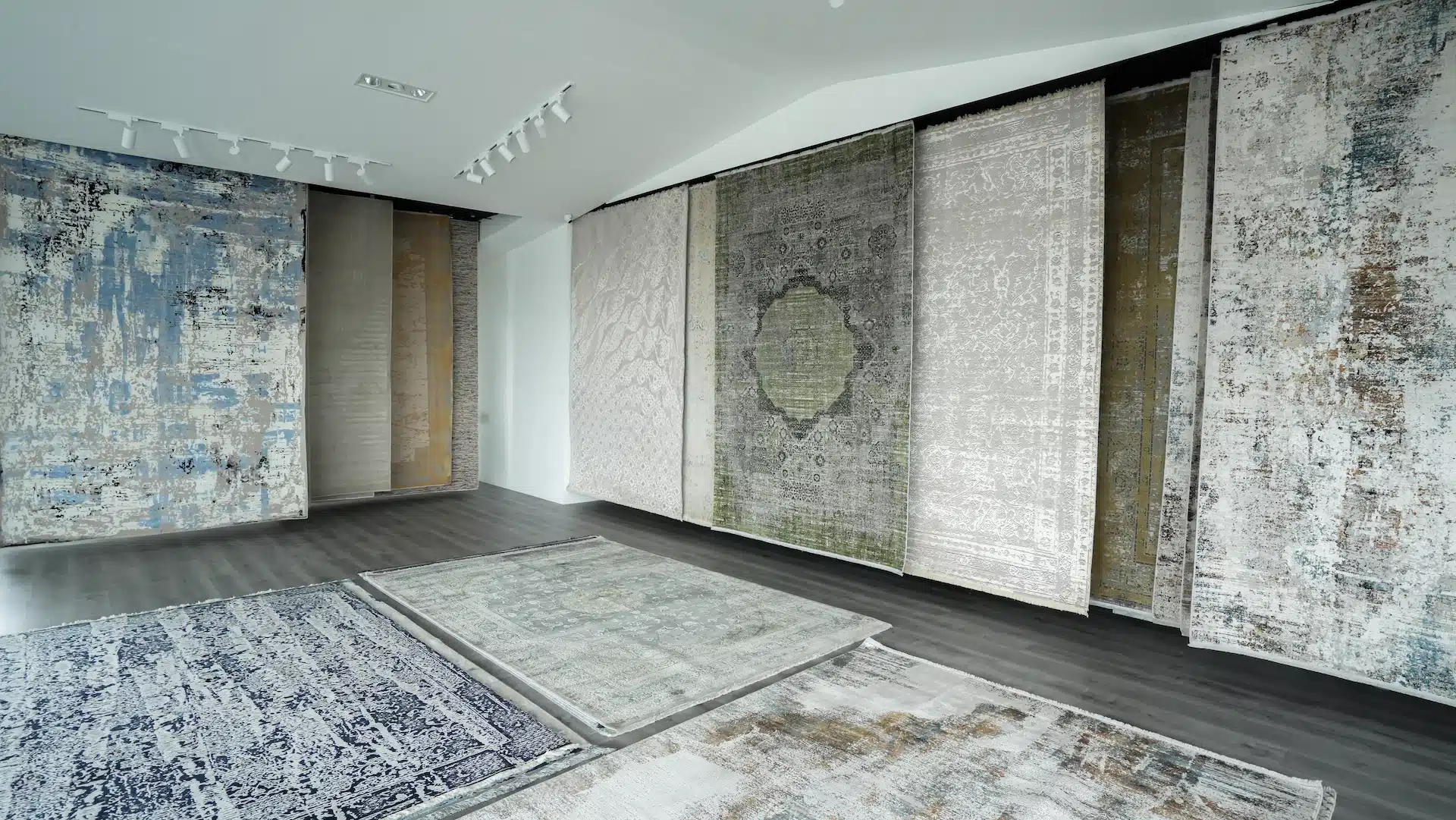
Carpet patterns serve not only as decorative elements but also help reinforce a room’s character. Selecting the right pattern can create a focal point, accentuate the interior style, and maintain visual balance with surrounding furniture.
Therefore, before deciding on a pattern, ensure it harmonizes with the intended interior design concept.
- Geometric Motifs for Modern and Art Deco Interiors
Geometric-patterned rugs are characterized by bold lines and symmetrical designs, making them suitable for both modern and Art Deco interiors. These patterns provide a visual accent without overwhelming the space, especially when paired with neutral-colored furniture.
- Solid-Colored Textured Carpet for Minimalist Interiors
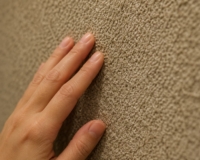
For those who prefer a more understated look, a solid-colored, textured carpet is an excellent choice. Its surface adds visual dimension through texture without making the space feel cluttered, making it perfectly suited for modern minimalist or luxury contemporary interiors.
- Bohemian Motif: Warm and Relaxed Vibe
Bohemian-style rugs typically feature a blend of ethnic patterns and warm colors. They are an excellent choice for creating a casual atmosphere while adding a strong sense of character, particularly in living areas or reading corners.
- Traditional Motifs: An Elegant and Classic Touch
Carpets featuring traditional patterns remain a favorite in premium interiors, as they evoke an elegant, classic feel. When paired with modern furniture, these patterns create an intriguing balance, lending the room distinct character without sacrificing its luxurious ambiance.
5. Match the carpet color to the room’s character.
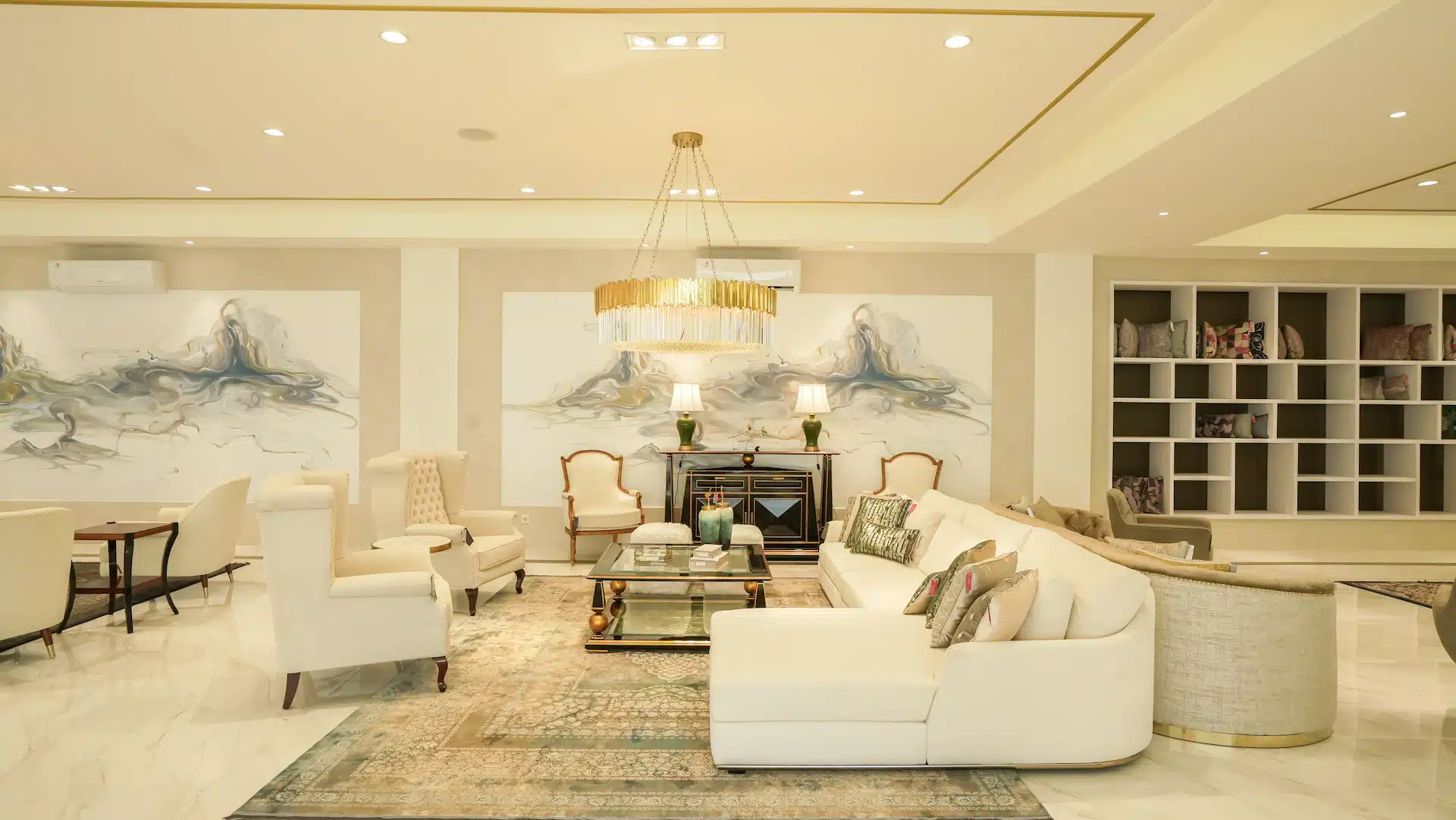
Carpet color plays a significant role in shaping the interior atmosphere. Light-colored carpets—such as cream or light gray—help reflect light, making the room feel more spacious and bright. Conversely, dark shades like charcoal or deep brown create a sense of warmth, intimacy, and elegance.
Beyond color, the pattern should also be matched to the room’s size. Bold, intricate patterns work best in large areas to maintain visual balance, whereas simple patterns or solid colors are ideal for compact spaces, as they lend a cleaner, airier feel to the interior.
Ultimately, selecting the right carpet does more than just enhance the room’s aesthetic; it creates a sense of comfort that can be enjoyed every day.
When size, shape, material, and pattern harmonize, the entire interior feels cohesive and reflects the unique character of your home.
If you are looking for premium carpets designed to complement your living room, dining area, or other spaces, the collection from Home Decor Indonesia offers the perfect inspiration to help you find an option that aligns with your dream interior concept.