 4.9
4.9


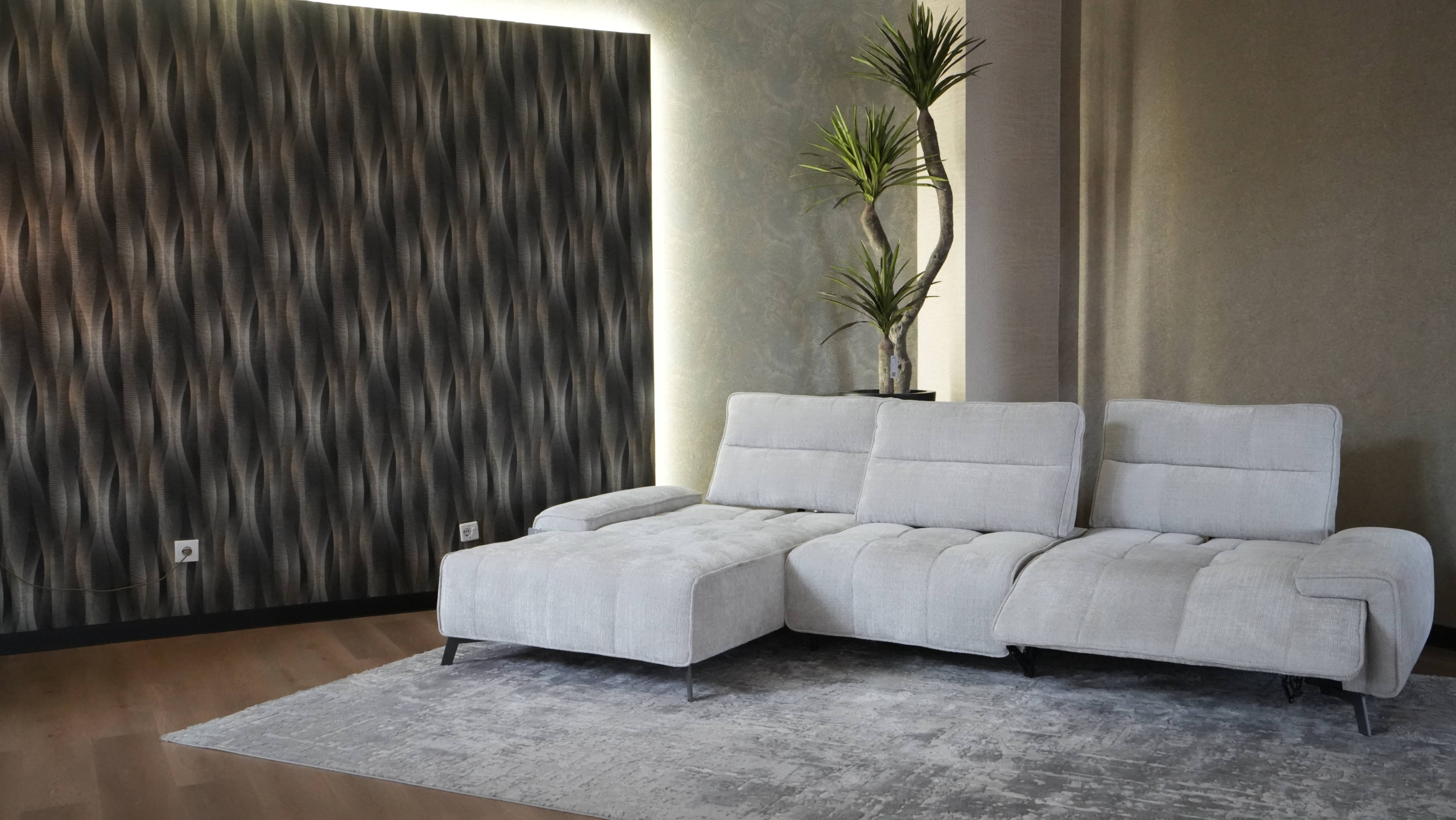
When choosing a sofa, attention often focuses immediately on shape, color, fabric, size, or elegant design. However, the base of the sofa also plays a crucial role in defining the furniture’s character and the room’s overall atmosphere.
Sofa bases generally fall into two categories: those with legs and those without. The choice between these styles affects not only the visual aesthetic but also comfort and functionality in relation to your lifestyle.
In interior design practice, Home Decor Indonesia recognizes that each style possesses its own distinct character. Sofas with legs tend to offer a clean, structured look, whereas legless sofas create a relaxed vibe due to their lower profile.
So, which one is the best fit for your home’s interior? Let’s explore the differences in detail across the following aspects.
Getting to Know Sofas with Legs
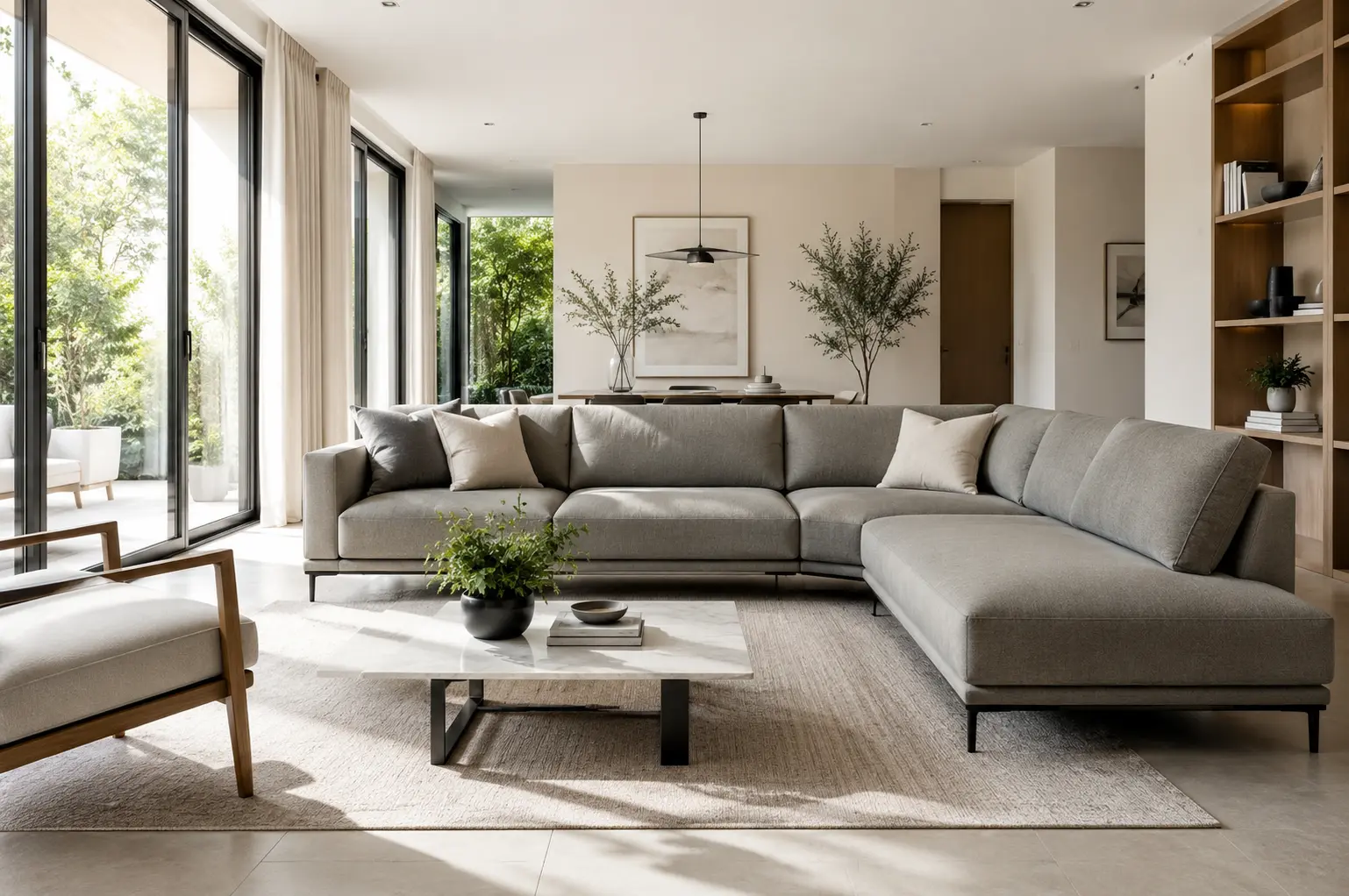
Let us begin with sofas featuring legs. This type of sofa typically elevates the seating structure off the floor using legs made from materials such as wood or metal.
Models with slender legs, for instance, can reinforce a modern, clean aesthetic. Meanwhile, legs with thicker profiles or decorative details can complement classic or transitional interiors.
Despite their modern and airy appeal, there are several factors to consider when evaluating sofas with legs. These include the quality of the frame, leg attachments, support systems, and seating materials, all of which determine the sofa’s stability and durability.
Getting to Know Legless Sofas
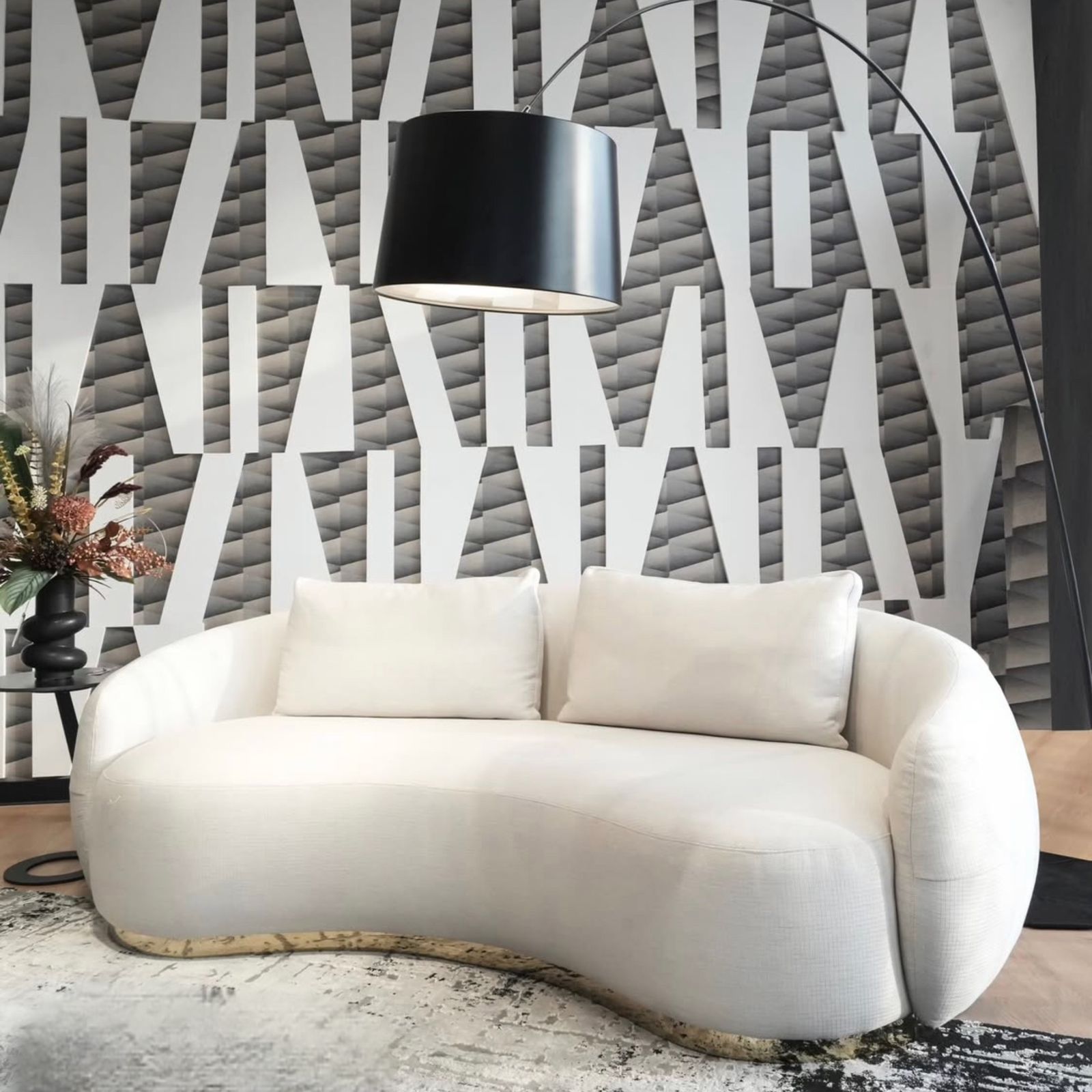
Next is the legless sofa. This type of sofa positions the seat closer to the floor, creating a lower, more solid visual profile that is ideal for a relaxed living space.
For families with young children, this low profile makes getting on and off the sofa easier. However, comfort still depends on factors such as seat height, seat depth, and the characteristics of the cushions.
Direct Comparison: Sofa with Legs vs Sofa Without Legs
Once you understand the characteristics of each type of sofa base, the next question arises: which is better for your interior—a sofa with legs or one without? The answer, of course, depends on your needs and the style of the room. Let us, therefore, compare the two across the following aspects.
1. Visual Appearance and Room Proportions
In terms of appearance, a sofa with legs reveals the floor space beneath the furniture. This open area helps the room feel more spacious; the effect is particularly appealing for compact living rooms, as the visible expanse of flooring maintains a sense of airiness.
Conversely, a sofa without legs creates a more solid, low-profile look. This style positions the furniture closer to the floor, making it ideal for interior concepts that are cozy, relaxed, and grounded.
So, opt for a sofa with legs if you desire a lighter, more structured look. Alternatively, choose a sofa without legs if you want to create a more laid-back atmosphere.
2. Ease of Cleaning the Under Sofa Area
Another point of comparison is the ease of cleaning the area beneath the sofa. Sofas with legs offer easier access to the space under the furniture; provided there is sufficient clearance between the frame and the floor, you can reach that area with a vacuum cleaner or other cleaning tools.
However, the height of the legs is a key factor. Sofas with very low legs may not provide enough clearance for cleaning tools.
In contrast, sofas without legs do not offer that same open space. You will need to regularly clean the base and the surrounding area, especially if the living room is frequently used for meals or playing with children.
3. Air Circulation and Floor Conditions
Sofas with legs create open space underneath, which improves air circulation and makes it easier to monitor the condition of the floor.
In contrast, sofas without legs sit closer to the floor surface. Consequently, you need to pay closer attention to cleanliness and moisture levels in that area, especially in homes where the flooring is prone to dampness.
4. Comfort and Usage Characteristics
In terms of comfort and usability, sofas with legs typically provide a more structured seating position. An appropriate seat height makes it easier to sit down and stand up, which is particularly beneficial when the living room is frequently used for hosting guests or engaging in conversation.
Sofas without legs offer a more relaxed vibe. The low seating position is ideal for lounging—whether you are unwinding, reading, or watching a movie.
However, sofa height is not the only factor determining comfort. Before making a choice, also consider the seat depth, backrest height, cushion firmness, and armrest height.
5. Construction, Stability, and Durability
For sofas with legs, the quality of the legs and their attachment points plays a key role in the furniture’s stability. Sturdy legs must be securely connected to the frame to ensure the sofa remains stable under daily use.
In contrast, legless sofas rely more heavily on their base construction, frame, and cushioning system to maintain their shape and support the user. Consequently, you should pay attention to the cushions’ ability to retain their form and the quality of the underlying structure.
Ultimately, the type of legs is not the sole determinant of durability. The quality of the frame, suspension system, foam, upholstery, and overall construction is far more critical in determining a sofa’s lifespan.
A Guide and Tips for Choosing the Right Sofa for You
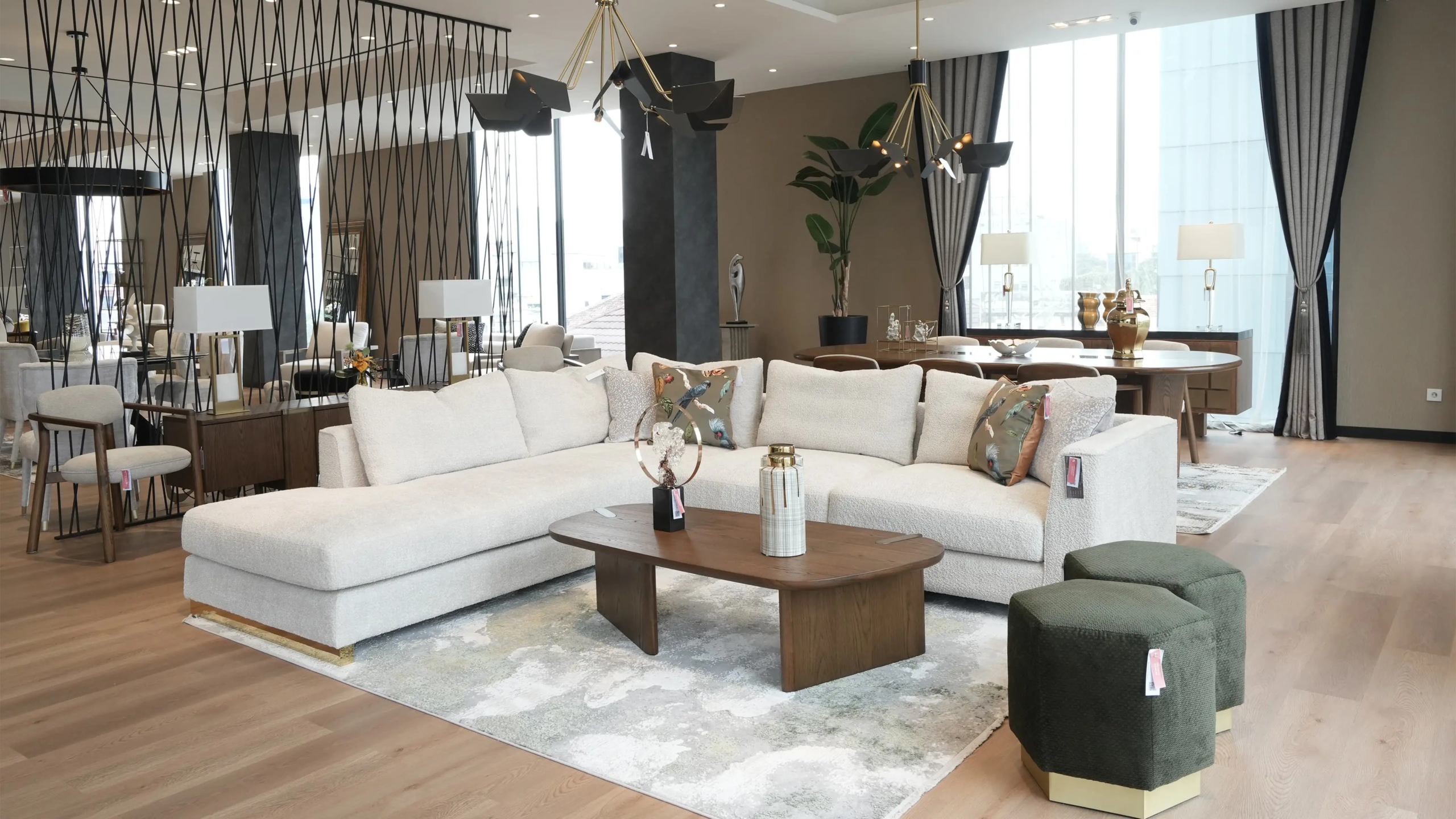
After comparing sofas with legs against those without, you can make a choice based on how you intend to use the room. If you desire a lighter aesthetic, easy access for cleaning, and a more formal atmosphere, a sofa with legs may be the ideal choice.
Conversely, if you wish to create a more relaxed, lounge-oriented living area, a legless sofa can provide a more fitting character. This style is also appealing for interiors that prioritize low-profile furniture.
Beyond the leg design, be sure to consider the sofa’s overall size, seat height and depth, upholstery material, cushion quality, and frame construction. This ensures you select a sofa that not only complements your interior but also offers comfort for daily use.
Ultimately, there is no absolute winner between sofas with legs and those without; both offer distinct characteristics and functions. Sofas with legs excel in providing an airy look and access to the space underneath, while legless sofas emphasize a cozy, grounded atmosphere.
The best choice ultimately depends on your space requirements, interior style, usage habits, and personal comfort.
If you are considering a new sofa, compare the characteristics of each model against your specific needs. By doing so, you can make a choice that is truly right for you, rather than simply following current trends.
Find a Model that Suits the Room
Once you understand the differences between sofas with legs and those without, the next step is to look for a model that best suits the character of your space.
Home Decor Indonesia offers a wide range of sofas featuring various designs, upholstery materials, sizes, and seating styles to suit your interior needs.
Options for sofas with legs from Home Decor Indonesia include the Chaka and Alphinia models, while the Bunke and Genoa sofas are excellent choices if you prefer a legless design.
Explore more of Home Decor Indonesia’s sofa collection to compare different models and find the perfect fit for your interior style.