 4.9


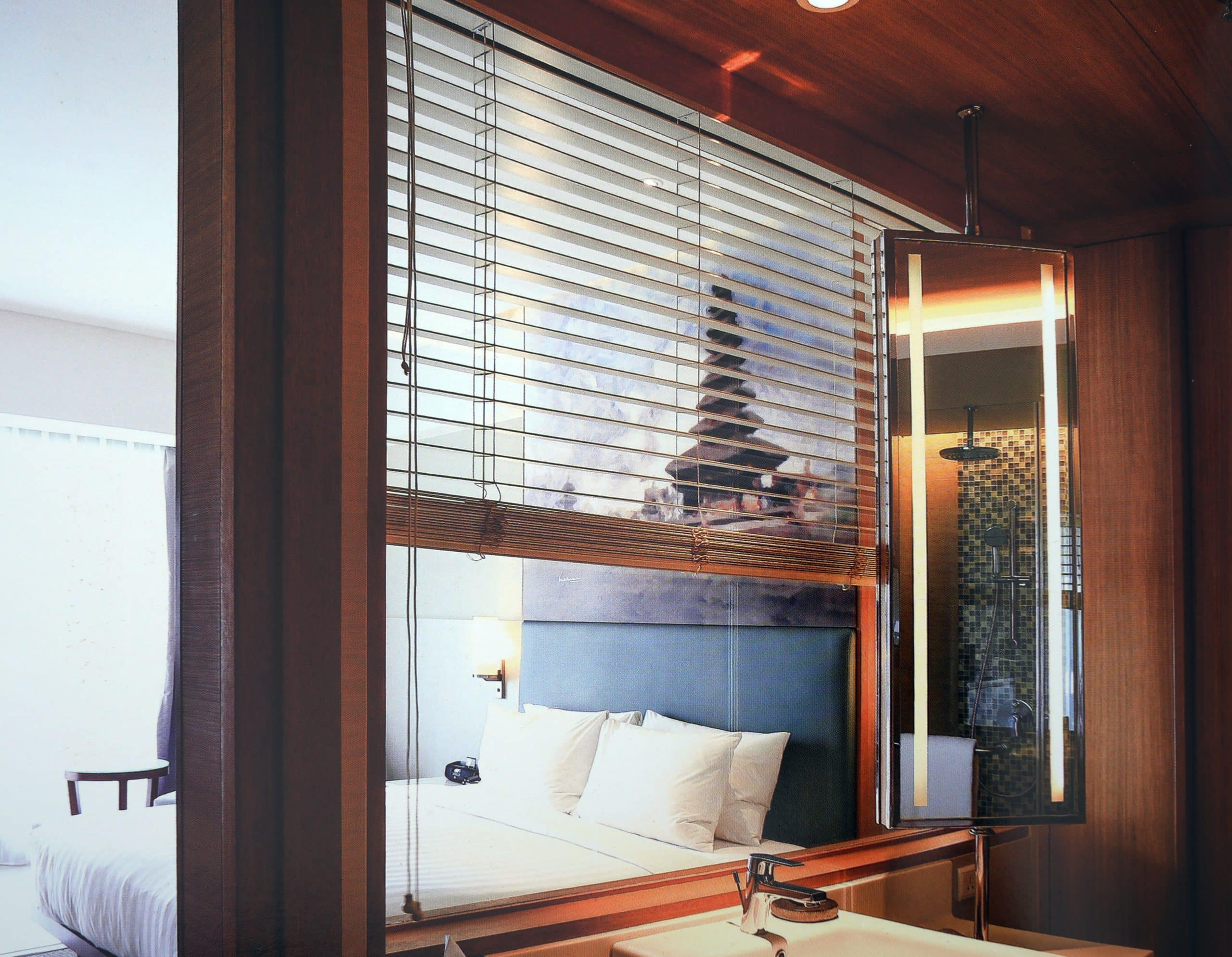
Finding the perfect window covering that lets daylight flood your space while keeping prying eyes at bay can feel like a design puzzle. This guide walks you through the key considerations for selecting light‑filtering solutions—especially roller blinds—that strike the ideal balance between privacy and natural light. Whether you’re dressing a city apartment, a home office, or a sun‑lit living room, the tips below will help you make an informed choice.
Understanding the Balance Between Privacy and Natural Light
Natural light does more than illuminate a room; it influences mood, reduces reliance on artificial lighting, and can even improve wellbeing. However, large glass surfaces—such as floor‑to‑ceiling windows or glass doors—also expose the interior to the outside world. The goal is to choose a treatment that diffuses sunlight enough to soften glare while maintaining a level of opacity that prevents clear sightlines into the room. Light‑filtering fabrics achieve this by scattering light, creating a soft glow without revealing details of furnishings or occupants.
Why Light‑Filtering Roller Blinds Are Ideal for This Need
Roller blinds are prized for their clean lines, ease of operation, and space‑saving profile. When made from semi‑transparent, textured fabrics, they become an excellent choice for privacy‑focused daylight control. The Light Gray Textured Roller Blind (57 x 280 cm) – Tall Window Roller Blinds exemplifies this approach. Its neutral light gray hue subtly filters sunlight, reducing glare while preserving a modern aesthetic. Because the blind rolls up into a compact cassette, you can fully expose the window when you want maximum light, then lower it to a desired height for privacy without sacrificing style.
Choosing the Right Fabric Opacity and Color
The degree of opacity is measured in percentages: 10‑20% for sheer, 30‑40% for light‑filtering, and 70‑100% for blackout. For privacy without darkness, aim for 30‑40% opacity. Textured weaves add visual interest and help hide minor imperfections in the fabric. Color also plays a role: lighter shades brighten a room but may let more UV through, while medium tones like soft gray or muted beige provide a balanced diffusion. Consider the room’s existing palette; a neutral roller blind can act as a subtle backdrop that complements both warm and cool color schemes.
Installation Tips for Tall or Slanted Windows
Tall windows—often found in modern lofts or rooms with floor‑to‑ceiling glazing—require careful measurement. Measure the width at the top, middle, and bottom, using the narrowest dimension to ensure full coverage. For slanted windows, such as those under a pitched roof, a custom‑fit roller blind with a flexible mounting bracket is essential. Mount the headrail slightly above the window frame to allow the blind to roll up completely, preserving the view when fully opened. When installing, use a level to keep the blind straight; uneven tension can cause the fabric to bunch or sag. Finally, test the pull cord or motorized mechanism (if applicable) before finalizing the brackets to confirm smooth operation.
Frequently Asked Questions
Can I use light‑filtering roller blinds in a bedroom?
Yes. Light‑filtering blinds provide enough privacy for a bedroom while allowing morning sunlight to wake you naturally. Pair them with a heavier curtain for nighttime darkness if needed.
How do I clean a textured roller blind?
Most textured fabrics can be gently vacuumed with a soft brush attachment. For deeper cleaning, spot‑clean with a mild detergent and a damp cloth, avoiding harsh scrubbing that could damage the texture.
Are roller blinds suitable for humid environments like bathrooms?
Roller blinds made from moisture‑resistant synthetic fabrics work well in bathrooms, but ensure the material is labeled as suitable for high humidity to prevent mold or warping.