 4.9


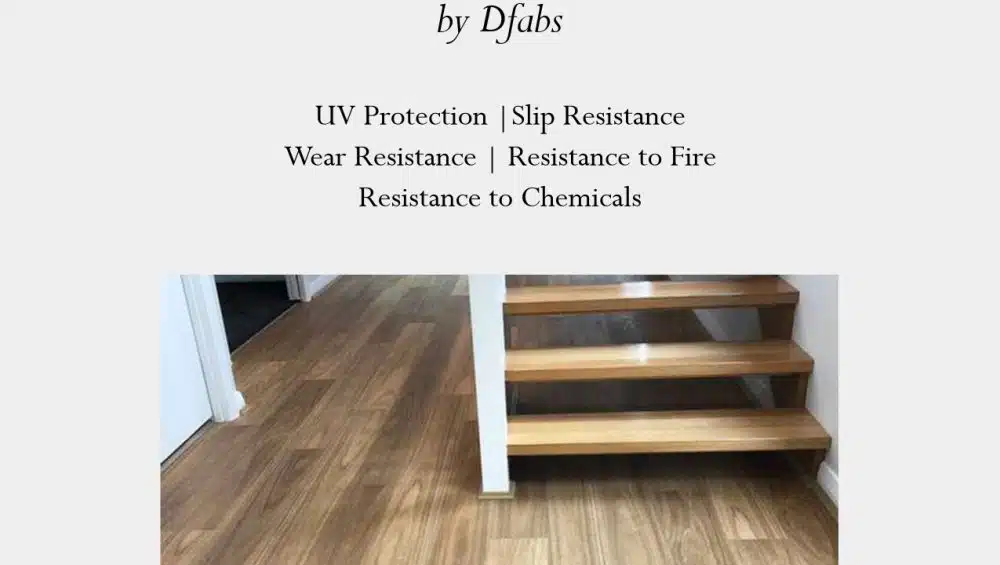
Choosing the right floor for your living room can feel overwhelming, especially with the many options on the market. Stone‑Plastic Composite (SPC) flooring has become a popular choice because it blends durability with design flexibility. This guide walks you through the key factors—durability, moisture resistance, comfort, aesthetics, and upkeep—so you can decide if SPC is the best fit for your family space.
What Is SPC Flooring and Why It’s Popular for Living Rooms
SPC flooring is a multi‑layer product composed of a rigid core made from limestone, polyvinyl chloride, and stabilizers, topped with a printed design layer and a transparent wear layer. The core’s density gives the floor a stone‑like stability while keeping it lighter than traditional tile. For living rooms, this means you get the look of hardwood or stone without the heavy installation process. The click‑lock system allows a floating installation over most subfloors, reducing labor time and cost.
Homeowners appreciate SPC for its resistance to dents, scratches, and fading—attributes that matter in high‑traffic areas where kids, pets, and furniture are constantly moving. Because the material does not expand or contract dramatically with temperature changes, it remains flat even in Indonesia’s humid climate, making it a reliable long‑term solution.
Durability and Moisture Resistance: Essential Factors for High‑Traffic Areas
Living rooms experience a blend of foot traffic, occasional spills, and the occasional pet accident. SPC’s core is 100% waterproof, meaning liquid cannot seep through to the subfloor. This protects against mold and warping, a common concern with engineered wood in humid environments. The wear layer—typically 0.2 mm to 0.5 mm thick—guards against scratches from pet claws or moving furniture.
When evaluating durability, look for a wear rating of 2,000 + cycles in the ASTM D4060 test. Higher numbers indicate better resistance to abrasion. Additionally, choose boards with a reinforced edge lock; this helps the floor stay together under heavy loads and reduces the risk of gaps forming over time.
Design Harmony: Choosing Colors, Patterns, and Textures that Complement Your Living Room
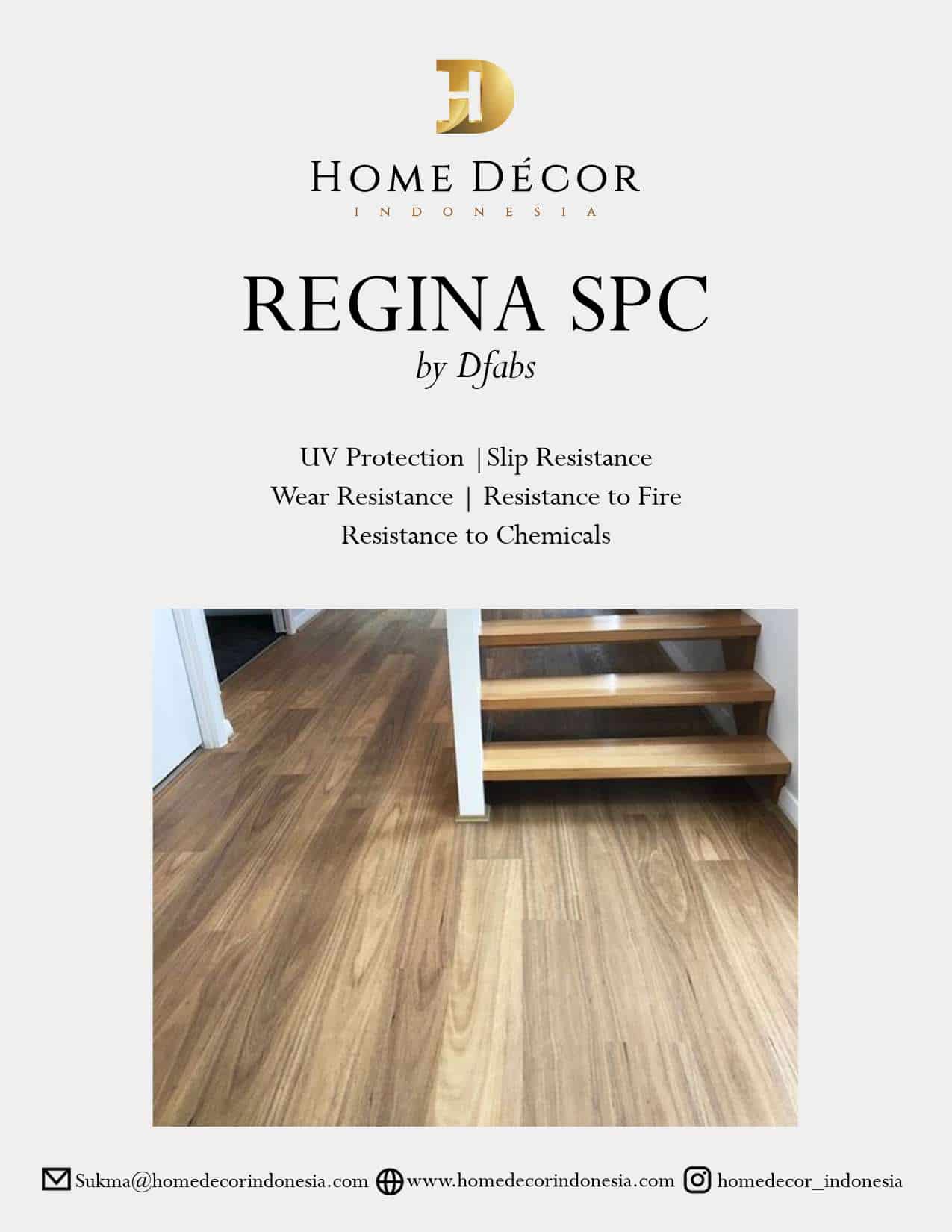
SPC flooring comes in a vast library of printed designs, from rustic oak to sleek marble. The key to a cohesive living room is to match the floor’s tone with the room’s color palette and furniture style. Light‑colored planks, such as ash or honey oak, open up smaller spaces and reflect natural light, while darker hues add drama to larger rooms with high ceilings.
Consider the pattern scale: wide planks (12–15 in) create a modern, spacious feel, whereas narrow strips (4–6 in) mimic traditional hardwood and work well with classic décor. Textured surfaces—embossed or hand‑scraped finishes—add a tactile dimension that feels more like real wood underfoot, enhancing comfort without sacrificing the material’s waterproof advantage.
Before committing, order a sample board and place it in the room during different times of day. Observe how the color shifts with sunlight and artificial lighting, ensuring the floor complements both your sofa fabric and wall art.
Installation and Maintenance Tips to Keep SPC Floors Looking Fresh
Installation is straightforward for DIY‑savvy homeowners. Begin by measuring the room and planning a layout that minimizes waste—start from the longest, most visible wall and stagger joints at least 6 in apart. A moisture‑resistant underlayment is optional but recommended for added sound insulation and extra protection against subfloor moisture.
During installation, maintain a ¼‑in expansion gap around the perimeter; this allows the floor to expand slightly with temperature changes without buckling. Use a rubber mallet and tapping block to ensure tight seams without damaging the click‑lock mechanism.
Maintenance is equally simple. Sweep or vacuum regularly with a soft‑bristle attachment to remove grit that could cause scratches. For deeper cleaning, a damp mop with a pH‑neutral cleaner designed for SPC or vinyl floors is sufficient. Avoid abrasive tools, steam mops, or harsh chemicals, as they can degrade the wear layer.
By following these steps, your SPC floor will retain its original shine for years, even in a bustling living room.
Frequently Asked Questions
Can SPC flooring be installed over existing tile?
Yes, as long as the existing tile is level, clean, and securely bonded. A thin underlayment can help smooth minor imperfections and improve sound absorption.
Is SPC flooring comfortable to stand on for long periods?
The rigid core provides a solid feel, but many manufacturers add a cushioned underlayment that adds a slight give, making it more comfortable for standing or walking.
How does SPC compare to engineered hardwood in terms of resale value?
While engineered hardwood often commands a higher price point, high‑quality SPC with realistic wood designs can still appeal to buyers seeking low‑maintenance, water‑proof flooring, especially in tropical markets.
For more flooring inspiration and home‑styling ideas, explore the resources offered by Home Decor Indonesia.