 4.9


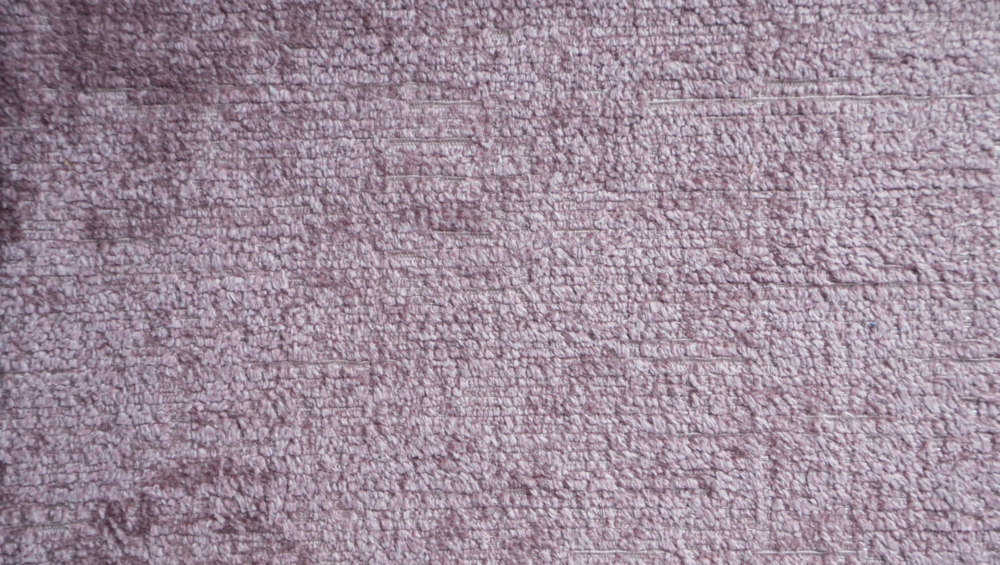
Living in Indonesia means enjoying tropical warmth, but it also brings high humidity and occasional rain splashes that can test the durability of your furniture. Selecting a water repellent sofa fabric that can withstand moisture while keeping style intact is essential for any homeowner who wants a long‑lasting, comfortable sofa. This guide walks you through why water‑resistant fabrics matter, the key features to evaluate, the most common fabric types, and practical care tips, ending with a catalog example that fits the climate perfectly.
Why Water Repellent Fabrics Matter in Tropical Climates
In a tropical environment, upholstery is exposed to three main moisture sources: ambient humidity, accidental spills, and occasional outdoor breezes when doors are left open. Traditional cotton or linen can absorb water, leading to mold, unpleasant odors, and weakened fibers. A water repellent finish creates a protective barrier that:
- Prevents water from soaking into the yarn, reducing the risk of mildew.
- Limits stain penetration, making cleanup easier.
- Retains the fabric’s shape and colour even after repeated exposure to moisture.
Choosing the right fabric therefore protects both your investment and your indoor air quality, especially in coastal cities like Jakarta or Surabaya where humidity often exceeds 80%.
Key Features to Look for in Water Repellent Sofa Fabrics
Not every “water‑resistant” label guarantees performance. Focus on these attributes when evaluating options:
- WR rating or test certification – Look for fabrics that have passed a recognized water‑repellent (WR) test, such as the AATCC 127 or ISO 4920.
- Breathability – A good water repellent fabric should still allow air circulation to prevent sweat buildup and keep the sofa comfortable.
- UV resistance – Sunlight can degrade colour; UV‑stable fibers maintain vibrancy in bright Indonesian rooms.
- Durability – Check denier or thread count; higher values mean stronger yarns that resist abrasion.
- Ease of cleaning – Fabrics that can be spot‑cleaned with mild detergent and do not require professional dry cleaning save time and money.
Comparing Popular Water Repellent Fabric Types
Manufacturers offer several base materials that can be treated to become water repellent. Understanding their strengths helps you match the fabric to your lifestyle.
Polyester‑based WR blends
Polyester fibers are inherently moisture‑resistant. When blended with a water‑repellent coating, they provide a balanced mix of durability, colour retention, and cost‑effectiveness. These fabrics are ideal for families with children because they resist both spills and wear.
Solution‑dried acrylics
Acrylic fibers mimic the feel of wool while offering superior resistance to water and UV rays. They are softer to the touch and maintain a plush look, making them a favorite for premium living‑room sofas. However, they can be slightly more expensive than polyester blends.
Vinyl‑coated textiles
Vinyl or PVC‑backed fabrics deliver the highest level of water protection, often used in outdoor or semi‑outdoor settings. While they are virtually impermeable, they may feel less breathable and can feel plasticky in hot weather, which might be less comfortable for long sitting periods.
Caring for and Maintaining Water Repellent Sofa Upholstery
Even the best water repellent fabric benefits from regular upkeep. Follow these simple steps to extend the life of your sofa:
- Prompt spill removal: Blot (don’t rub) any liquid with a clean, dry cloth within minutes.
- Gentle cleaning solution: Use a mild soap diluted in water, test on an inconspicuous area first, then wipe with a soft sponge.
- Avoid harsh chemicals: Solvents, bleach, or strong acids can break down the WR coating.
- Vacuum regularly: A low‑suction brush attachment removes dust that could embed in the fibers.
- Re‑treat if needed: After several years, the water‑repellent finish may wear off. Look for a compatible spray treatment from the fabric manufacturer and apply according to the instructions.
Featured Product: Palma Onyx – 18 Deep Blue
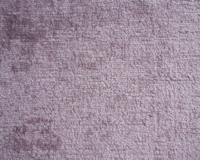
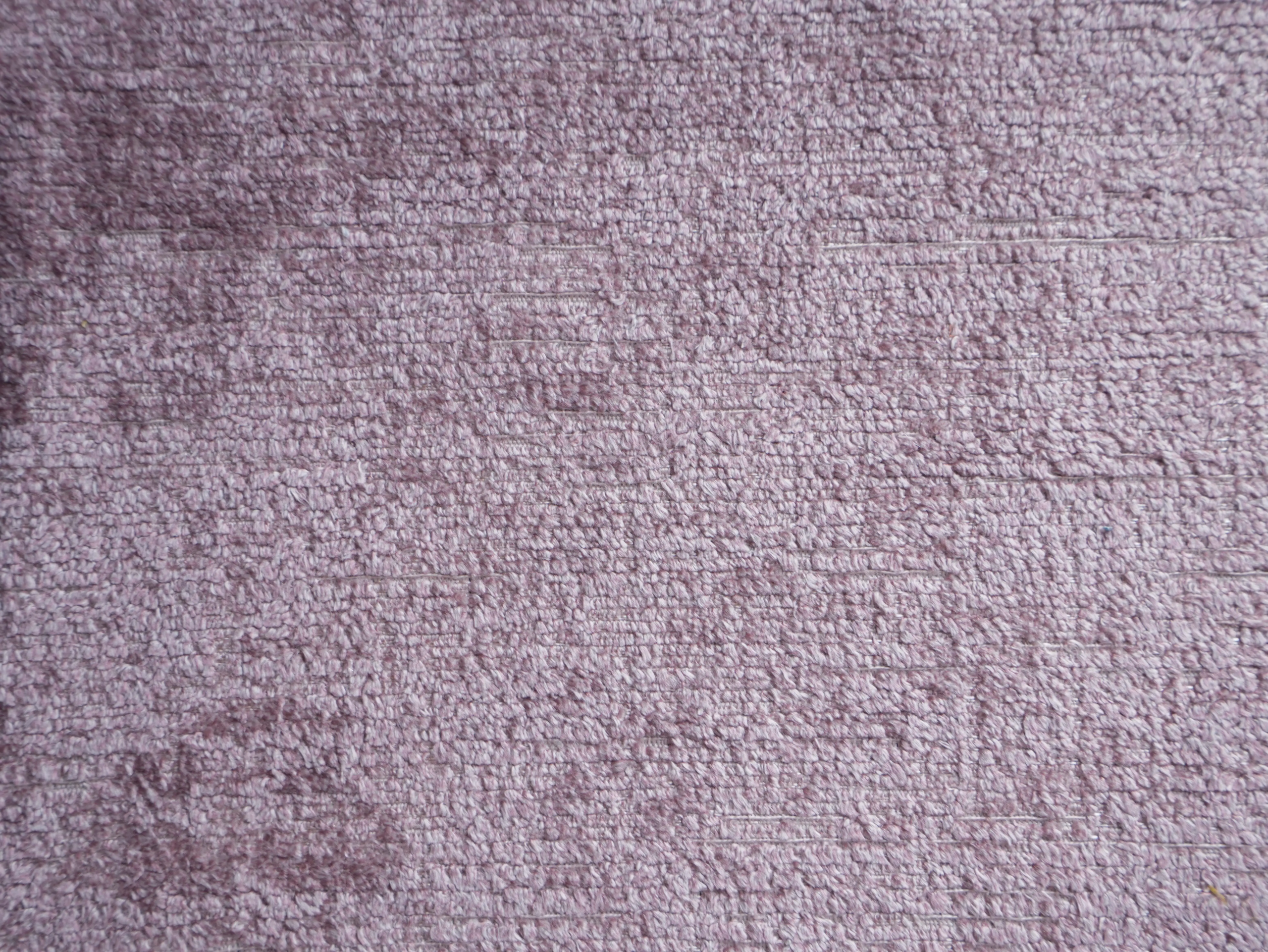
If you’re ready to see a real‑world example, consider the Palma onyx – 18 deep blue. This water repellent fabric combines a rich, deep‑blue hue with a durable WR coating that meets industry standards for moisture resistance. Designed for upholstery, sofas, armchairs, cushions, and even headboards, it offers both aesthetic depth and practical protection—perfect for Indonesian homes that crave style without sacrificing durability.
Frequently Asked Questions
Can water repellent fabric prevent stains completely?
While a water repellent finish greatly reduces liquid absorption, it does not make the fabric completely stain‑proof. Oil‑based spills or pigments can still penetrate, so prompt cleaning is still recommended.
Is water repellent fabric breathable?
High‑quality WR fabrics are engineered to balance water resistance with airflow. They allow moisture vapor to escape, preventing the sofa from feeling clammy, especially in hot, humid rooms.
How often should I reapply a water repellent treatment?
Most manufacturers suggest re‑treating the fabric every 2–3 years, or sooner if you notice water beading less effectively. Using a compatible spray ensures the protective layer stays intact without altering the fabric’s colour or texture.