 4.9
4.9


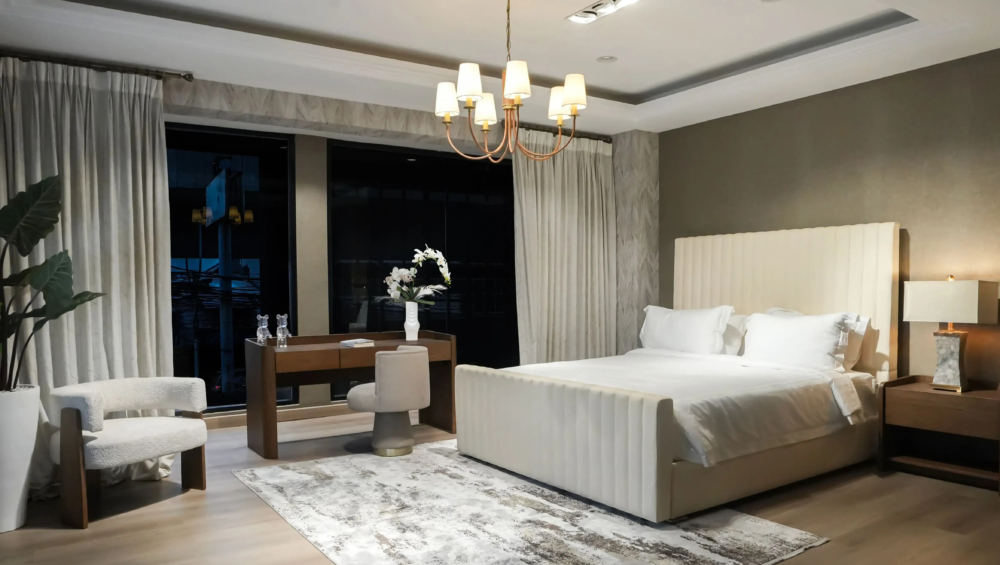
Lighting plays a pivotal role in the evolution of interior design. As we approach 2027, lighting serves not merely to illuminate a space but also to highlight furniture and enhance the room’s character. Everything from the shape of the fixture to the color temperature can significantly influence the overall interior aesthetic.
This shift is evident in how designers use lighting to create atmospheres that feel more natural and personal. Lighting choices are no longer limited to conventional designs; instead, the approach now focuses on light color, shape, and placement—ensuring harmony with sofas and other furnishings within the room.
At Home Decor Indonesia, we view lighting as an essential element of a perfectly balanced interior composition. Understanding the latest lighting trends can help you discover options that are not only visually appealing but also perfectly suited to the character and functional needs of your space.
Ready to refresh your home’s interior? Here are some lighting trends to inspire you!
1. Softly Curved Shape: A More Organic Lamp Shape
One emerging direction in 2027 lighting trends is the use of softer, more organic shapes.
While previous lighting designs often featured sharp geometric lines, curved forms are now offering an alternative. Silhouettes such as globes, domes, arches, and sculptural shapes can lend a softer feel to an interior.
European lighting expert Michael Jackson, as quoted by Livingetc, notes that curved shapes reflect movement found in nature and create a more human scale.
A quick tip: consider the shapes of the surrounding furniture as well. Sofas with rounded corners or armchairs with curved silhouettes look more harmonious when paired with lighting that shares similar characteristics.
This way, the lighting does not feel like a mere add-on but becomes an integral part of the overall interior composition.
2. Layered & Warm Ambience: Warmer Layered Lighting
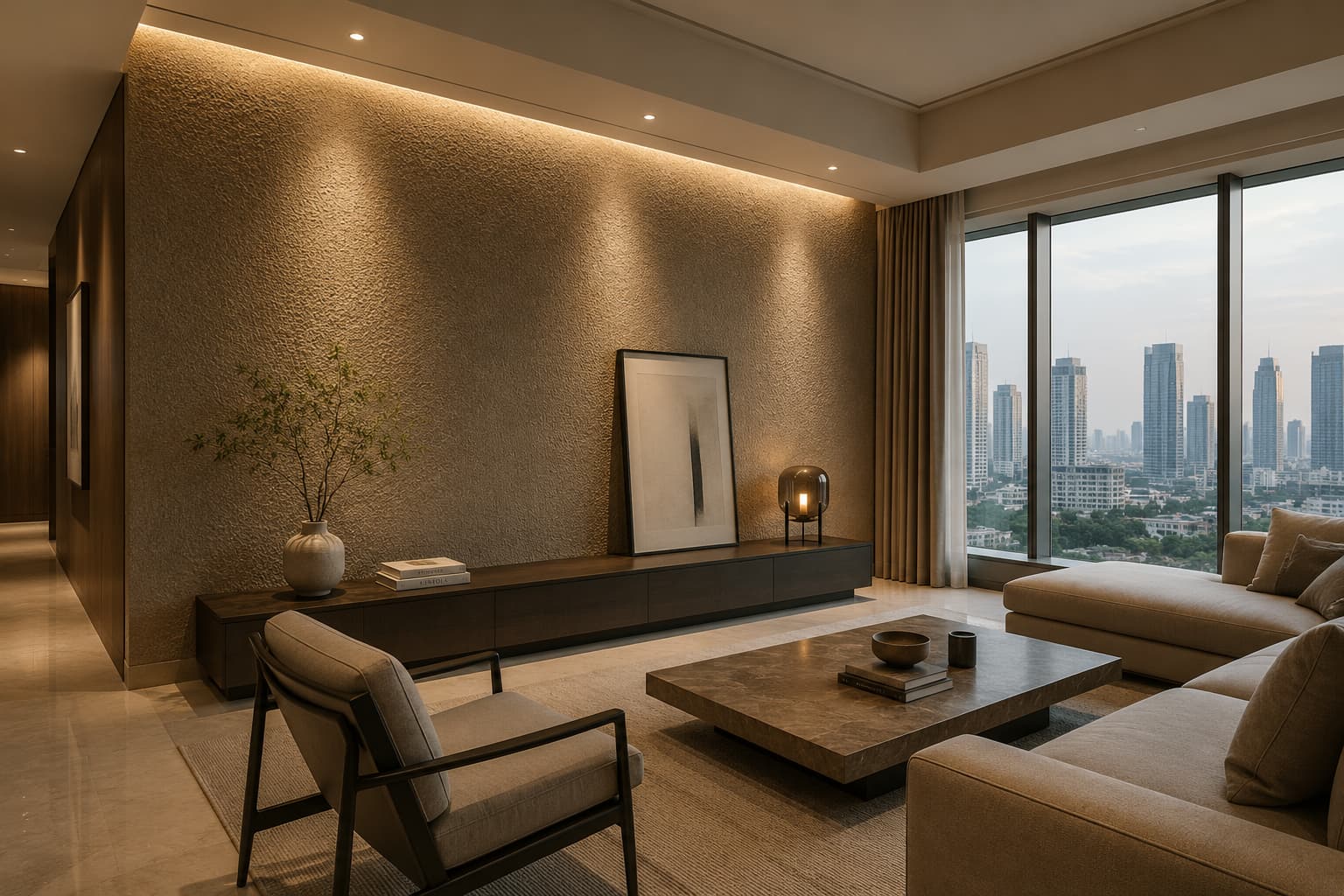
Good lighting does not always come from a single main light fixture in the center of the room. In fact, layered lighting has become an increasingly important approach in interior design.
This concept categorizes lighting based on function and mood, such as:
- Ambient lighting to provide general illumination.
- Task lighting for specific activities like reading or working.
- Accent lighting to highlight furniture, artwork, or architectural details.
This approach allows a single room to take on different moods throughout the day.
Beyond the number of light sources, color temperature also plays a crucial role. Warmer light helps create a cozy atmosphere in areas like the living room and bedroom, while brighter, functional lighting supports activities that require concentration.
In interior design practice, this approach allows premium furniture to look its best. Materials such as velvet, leather, wood, marble, and metal can take on distinct visual characteristics depending on the direction and intensity of the light hitting them.
3. Statement Paper & Natural Materials: Natural Materials with Distinct Character
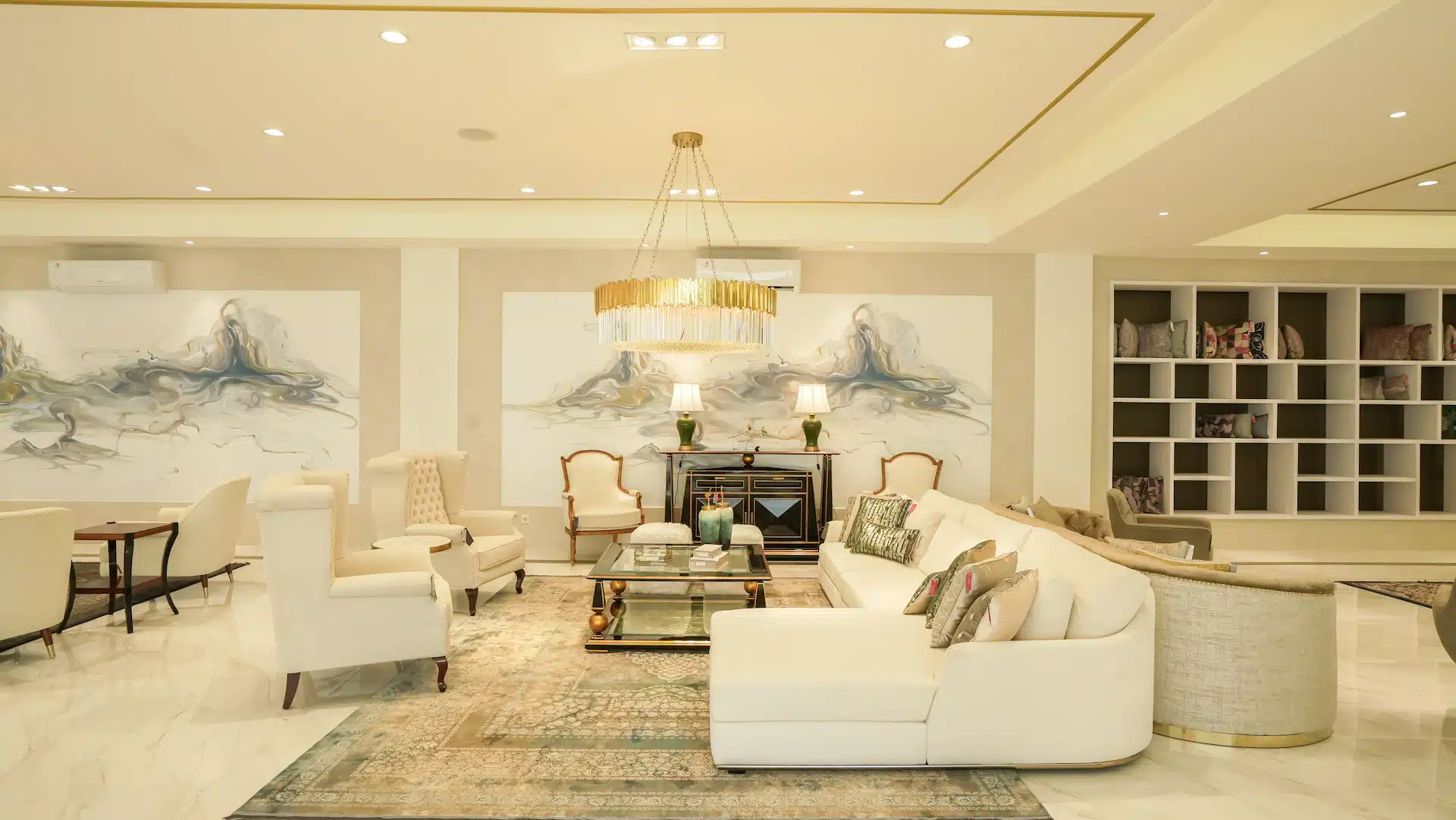
Natural materials are increasingly finding their place in lighting design. From paper to artisanal materials, they offer texture while producing a softer quality of light.
Paper lighting is a compelling example. In fact, paper-based lighting is a prominent trend leading into 2027, as the material creates diffused light and a warm atmosphere.
However, using natural materials does not mean the interior has to look dated or old-fashioned. Instead, you can create an intriguing contrast by pairing them with premium materials such as marble, polished metal, elegantly finished wood, or high-quality upholstery.
For instance:
- A paper pendant light paired with a marble dining table.
- A woven pendant light paired with a neutral-colored sofa.
- A wooden lamp paired with a console featuring a premium finish.
- A linen lampshade paired with an upholstered armchair.
This contrast lends a sophisticated feel to the lighting without sacrificing its natural character.
The key is balance. If your furniture already features intricate details, opt for a lamp with a simpler shape. Conversely, you can use a statement lamp when the furniture and room colors are more restrained.
With this approach, the lamp serves as a decorative element even when it is not switched on.
4. Sculptural Lighting: Lamps as Interior Statements
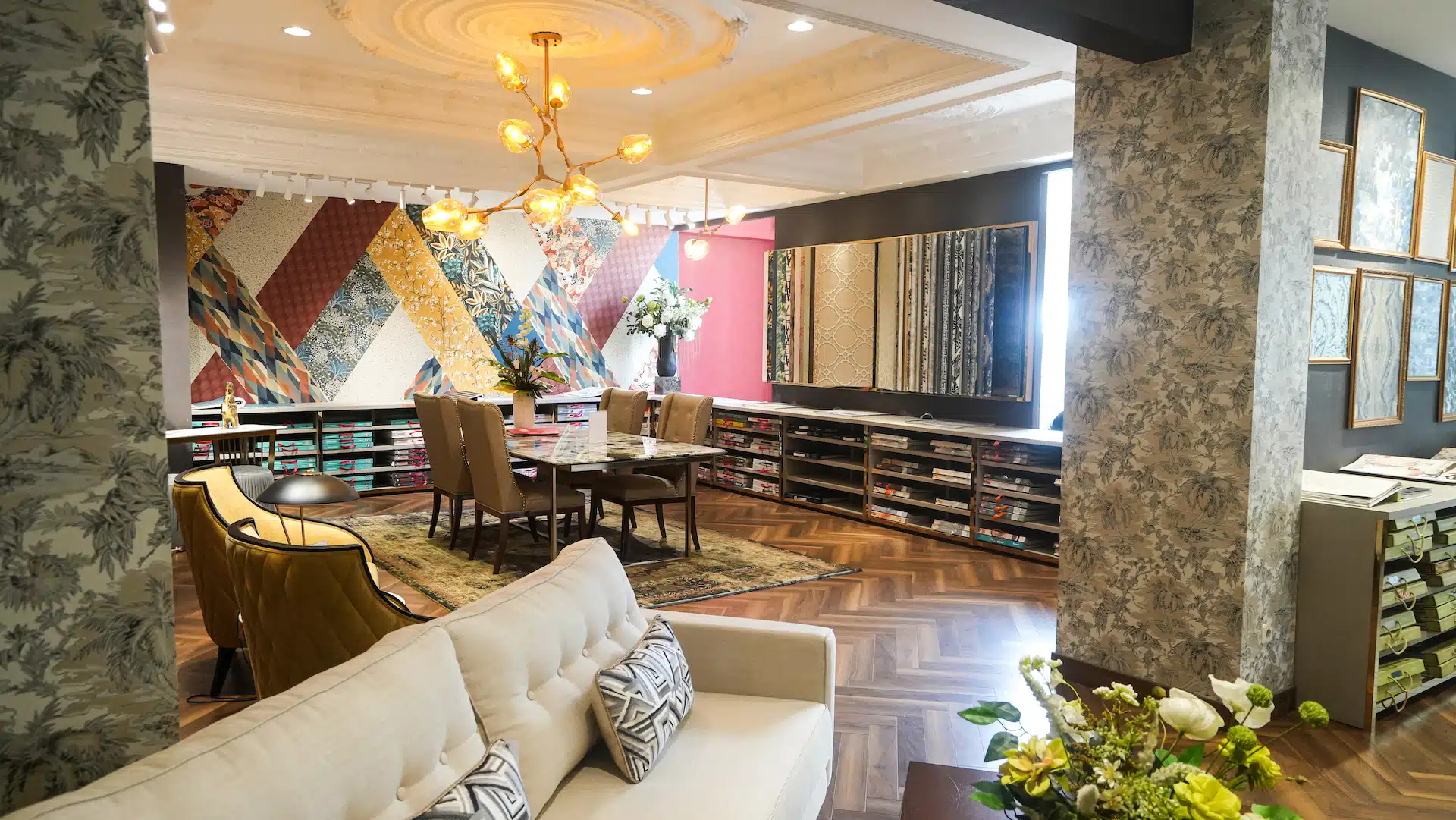
Lighting can also serve as a decorative element that acts as the focal point of a room.
Sculptural lighting stands out through unconventional forms—ranging from oversized dimensions to combinations of materials like glass and metal.
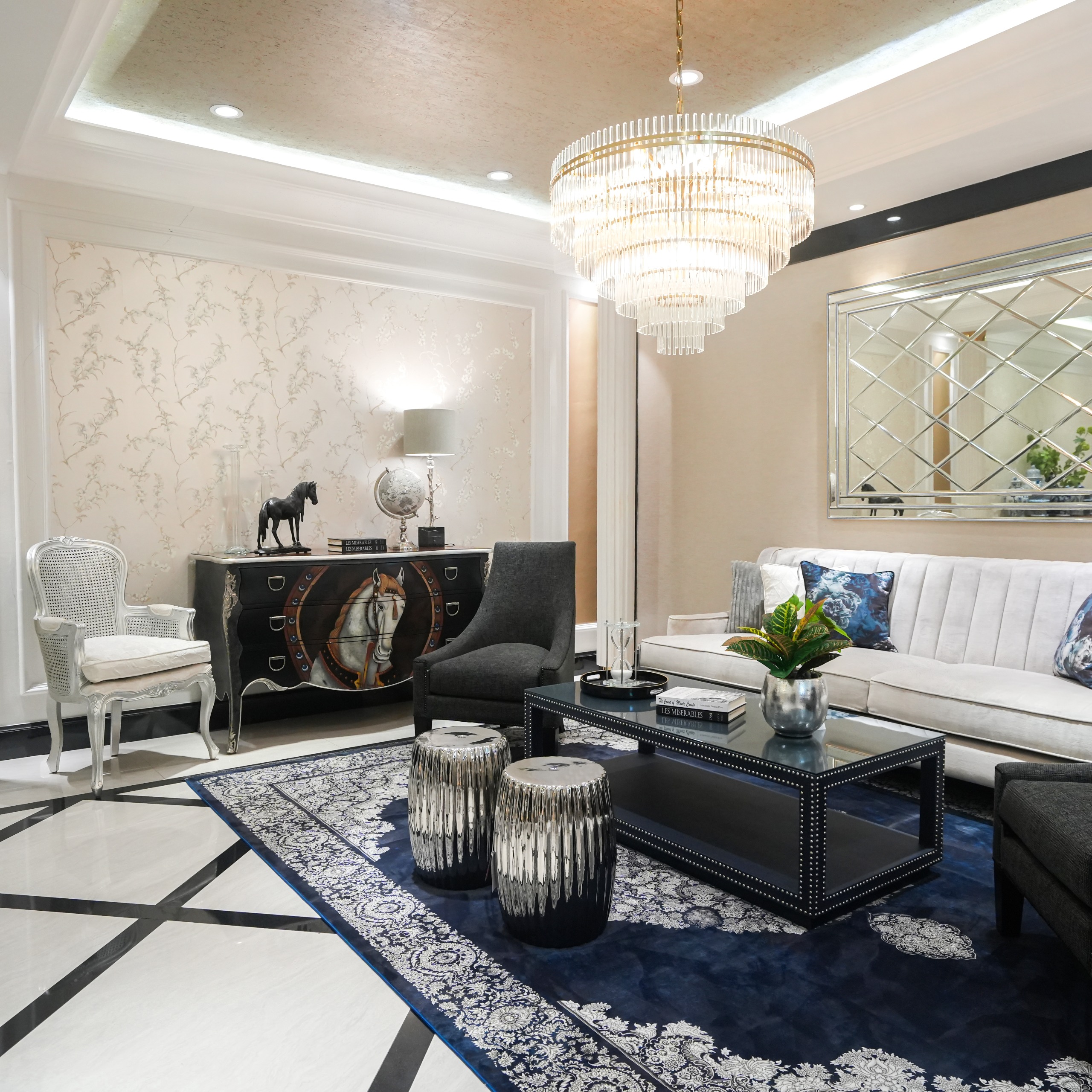
If you have a room with high ceilings, an oversized pendant light or chandelier can help fill the vertical space while creating a focal point.
To ensure a statement light fixture retains an elegant look, allow for sufficient visual breathing room around it. You might pair it with a subdued color palette or furniture featuring a clean, uncluttered design.
This approach allows the fixture to command attention without making the interior feel overwhelmed.
5. Human-Centric Lighting: Prioritizing Occupant Comfort
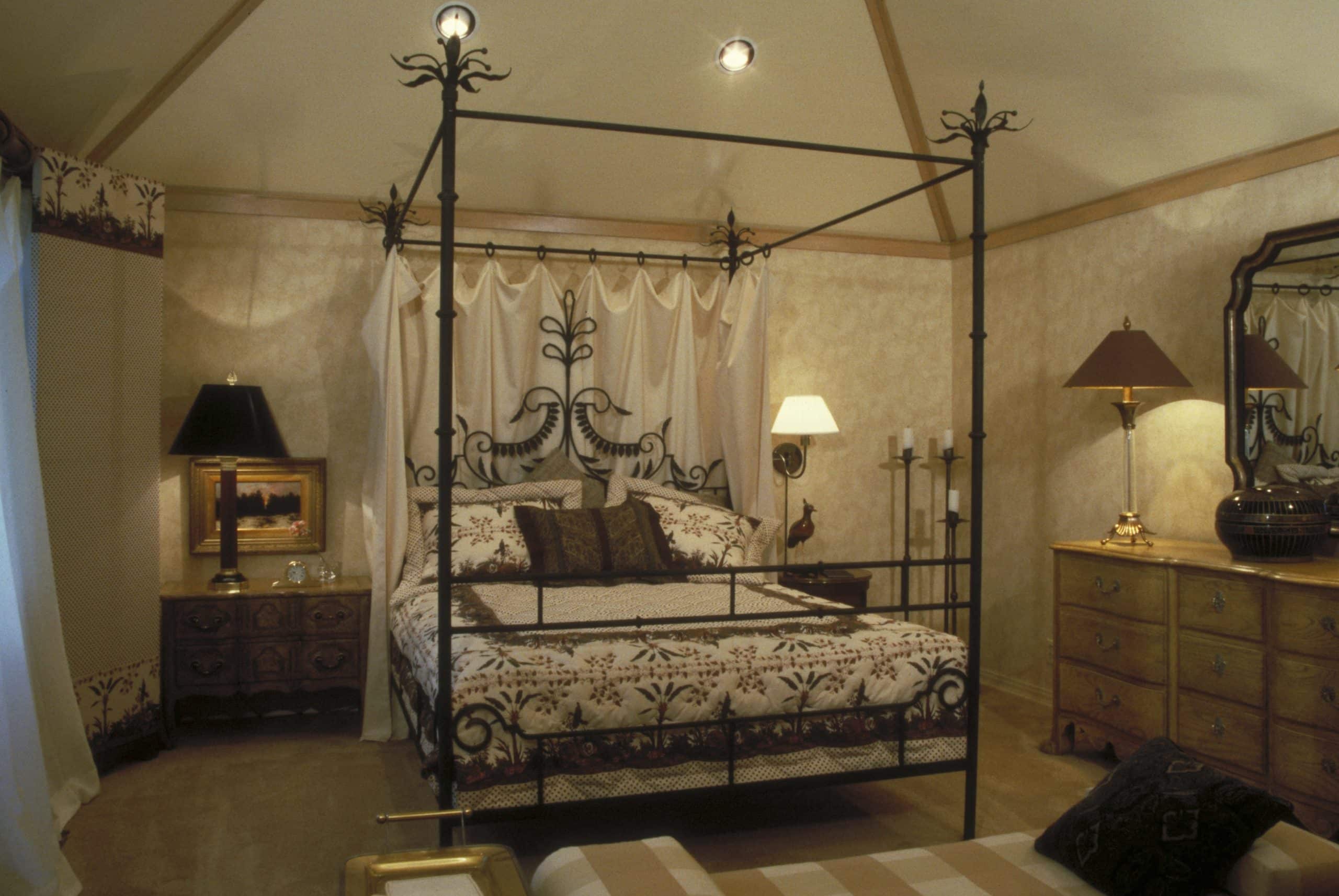
Recent trends are bringing lighting closer to human needs and well-being.
“Human-centric lighting” goes beyond aesthetics, focusing instead on how light relates to human activities and comfort. For instance, a home office requires lighting that allows you to see your workspace clearly, whereas a bedroom calls for a calmer atmosphere as you prepare to rest.
This approach also helps create interiors that feel more personal and influence your mood. Instead of choosing a light fixture simply because its shape is trendy, you consider how the light will actually be used in your daily life.
Conclusion: Complete the Interior with the Right Lighting
Lighting is more than just a source of illumination; it is an element that enhances character while shaping the interior atmosphere. By selecting the right lighting, you can create a space that feels warmer, more elegant, and full of character.
Discover premium lighting options from Home Decor Indonesia in our catalog, or contact our team via WhatsApp for recommendations tailored to your needs and the character of your space.