 4.9
4.9


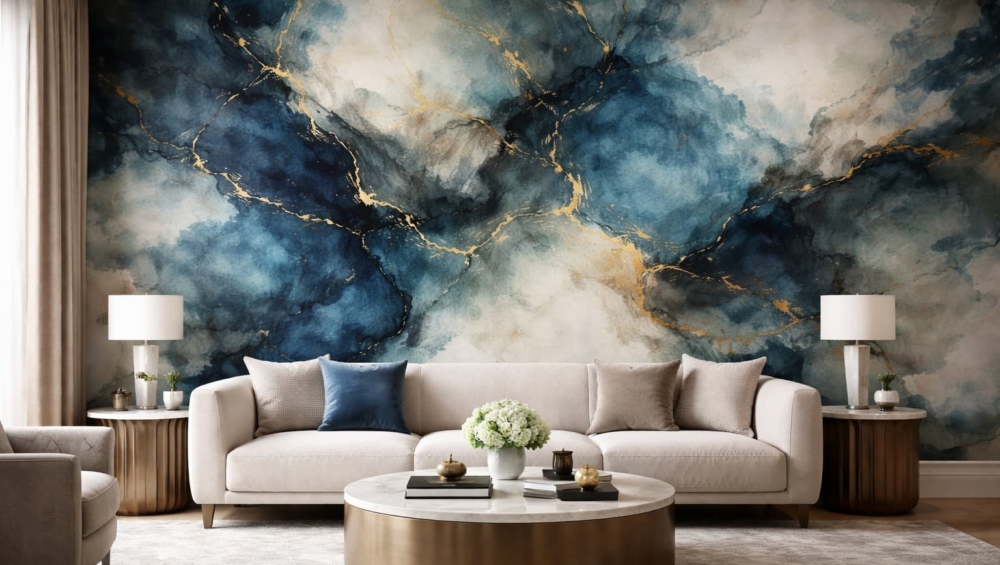
There are many interior wall-covering materials available to suit your needs. However, three options stand out for their popularity: wallpaper, wall panels, and paint.
Each of these options offers distinct functions and visual characteristics. Therefore, the right choice depends on factors such as the room’s requirements, the design concept, and your existing furniture.
So, which one is the best fit—wallpaper, wall panels, or paint? Read on for a more detailed explanation.
1. Understanding the Characteristics of Wallpaper, Wall Panels, and Paint
Before comparing the three, you first need to understand the basic characteristics of each finish. This can help you consider the effect you wish to achieve.
Wallpaper
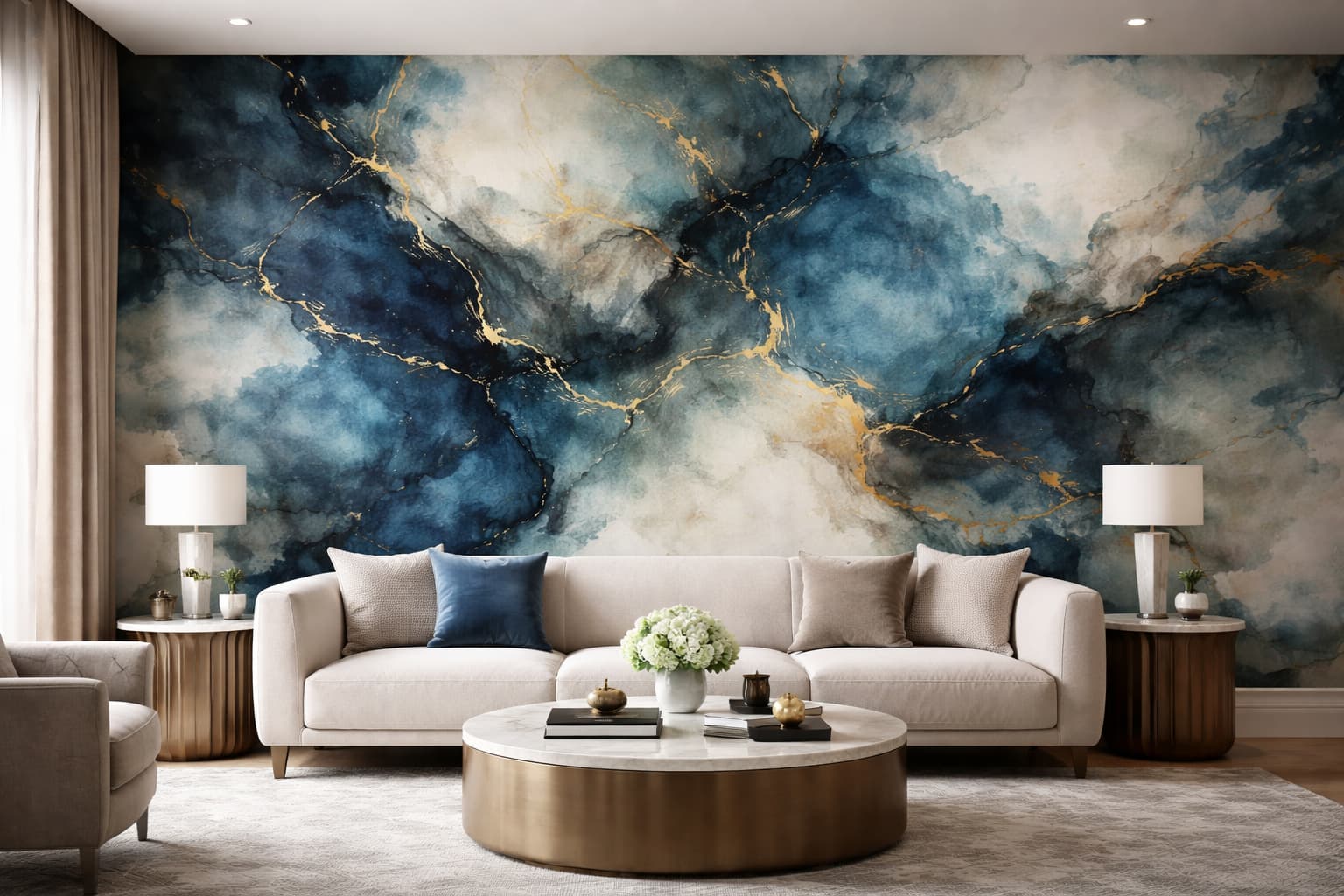
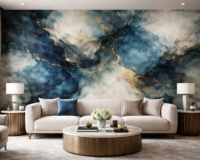
Wallpaper serves as a decorative layer covering wall surfaces. It comes in a wide variety of materials and types, allowing you to choose from diverse motifs, colors, patterns, and textures.
Wallpaper is an excellent choice if you want to add strong visual character to your walls without significantly altering their structure. Furthermore, installation is relatively easy compared to other wall coverings.
Wall Panel
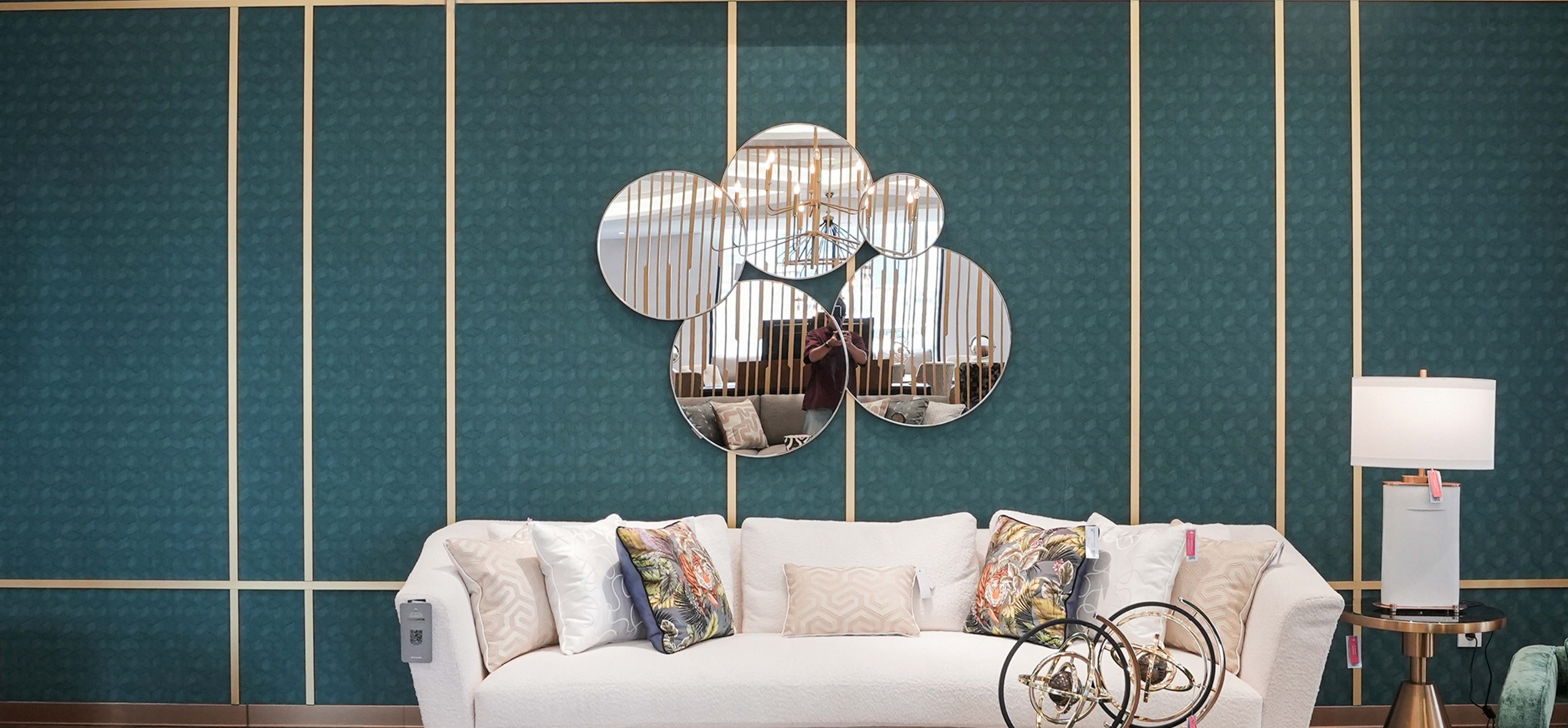
Unlike wallpaper, wall panels add a tangible physical layer to the wall. They come in a variety of materials, ranging from WPC, PVC, and MDF to wood.
Consequently, wall panels can introduce texture, dimension, and a stronger architectural aesthetic. They are also frequently chosen to create a feature wall in a specific space.
Paint
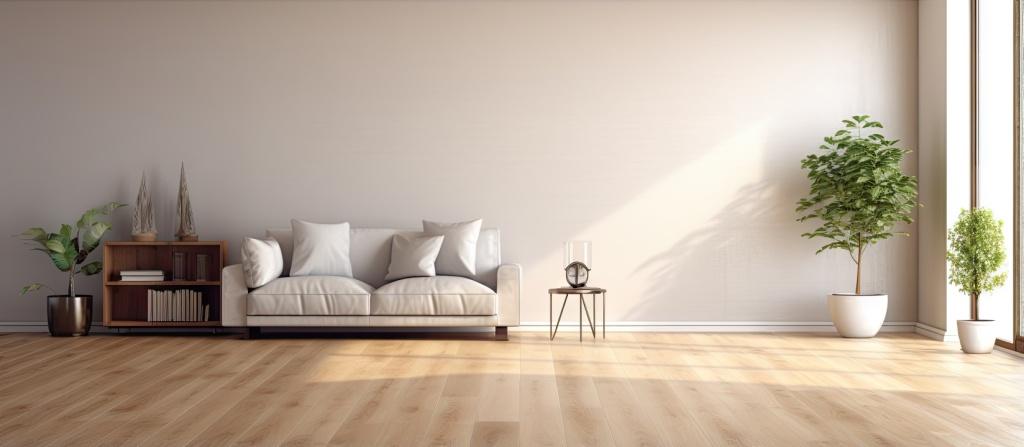
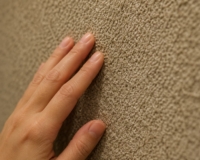
Finally, there is paint—the simplest yet most versatile finishing option. You can use a wide range of colors to set the room’s mood without adding patterns or physical texture to the walls.
Moreover, paint can serve as a backdrop that allows furniture, artwork, and decorative elements to stand out as focal points.
2. Advantages and Disadvantages of Wallpaper, Wall Panels and Paint
Once you understand their basic characteristics, you can consider the advantages and disadvantages of each type of wall finish.
Wallpaper
Advantages:
- Offers a wide range of motifs, colors, and patterns.
- Can add a strong decorative character.
- Suitable for various interior design concepts.
Considerations:
- Wall surfaces require preparation prior to installation.
- Maintenance depends on the wallpaper type and material.
- Humidity can affect the performance of certain products.
Wall Panel
Advantages:
- Adds tangible texture and dimension.
- Creates a premium, architectural look.
- Suitable as a backdrop or accent wall.
Considerations:
- Material and installation costs can be higher than paint.
- Each panel type has distinct characteristics and performance qualities.
- Installation requires precision to ensure seams and patterns look neat.
Paint
Advantages:
- Highly flexible color options.
- Generally lower initial cost.
- Easier to update when you want to change the color.
Considerations:
- Does not provide physical dimension like wall panels do.
- Wall surface condition can affect the final result.
- Certain areas may require repainting over time.
So, do not simply assume that one material is always more durable or more economical than another. Material type, product quality, room conditions, installation, and maintenance can all influence the final outcome.
3. Consider Long-Term Value
Next, consider material costs. Paint generally offers options with relatively low upfront costs. Wallpaper, meanwhile, comes in a wide price range depending on the material and design. Wall panels also vary in price based on material type, finish, size, and installation system.
Additionally, consider maintenance and potential replacement needs. A finish that appears inexpensive initially may not necessarily be the most cost-effective choice if it requires frequent maintenance or replacement under specific conditions.
Therefore, long-term value should be assessed based on several factors:
- Material costs
- Ease of maintenance
- Durability relative to room conditions
- Ease of design changes
- Compatibility with the interior concept
By adopting this approach, you can select a finish based on actual needs rather than simply the price per square meter.
Conclusion: Choose a Finish That Harmonizes with the Interior
To help you decide, here are the spaces where the three aforementioned wall coverings can be applied:
- Wallpaper → Bedrooms, living rooms, dining rooms
- Wall Panels → Living rooms, foyers, TV backdrops, bedrooms
- Paint → All rooms, including kitchens and minimalist-style spaces
Ultimately, the right wall finish is one that complements your furniture, lighting, and overall interior design concept.
If you are still unsure about choosing a finish that suits your furniture and home interior style, consult the Home Decor Indonesia team regarding your space requirements.
Discover a range of wallpaper patterns and premium interior inspirations to help create a space that is both harmonious and full of character.