 4.9
4.9


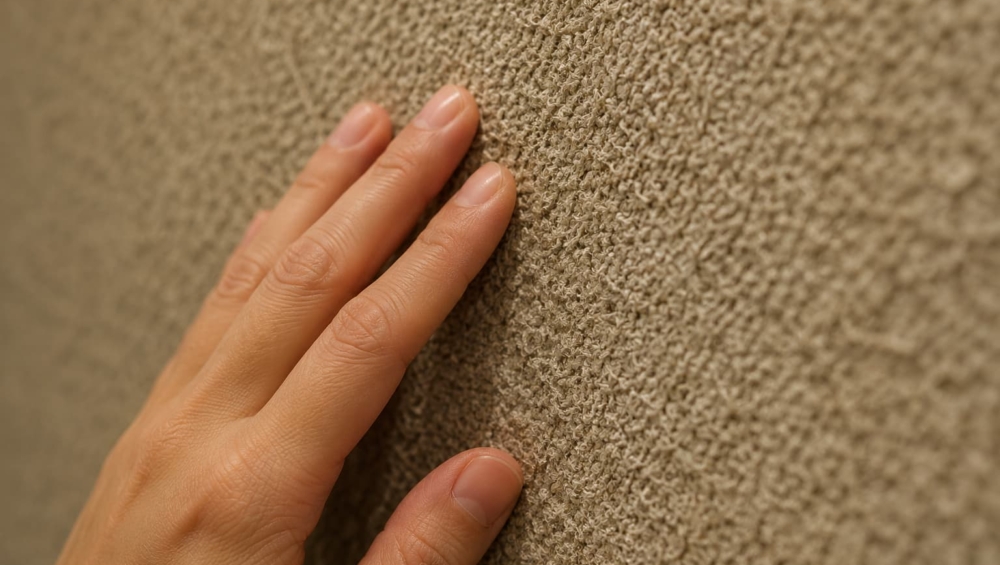
Choosing wallpaper for your interior involves more than just considering patterns and colors; selecting a material that suits your room’s specific needs is a crucial factor.
Why is this the case? According to James Mellan-Matulewicz, CEO of Bobbi Beck Wallpaper, both design and material durability are key considerations when selecting wallpaper.
Among the many material types available, vinyl and non-woven are frequently compared when homeowners are looking for top-quality wallpaper.
However, it is important to note that the terms “vinyl” and “non-woven” do not always refer to two entirely separate materials. Vinyl generally refers to the surface layer, whereas non-woven can refer to the base material or the wallpaper backing.
Read on for a more detailed explanation to ensure you have the right information!
1. Understand the Differences Between Vinyl and Non-Woven First
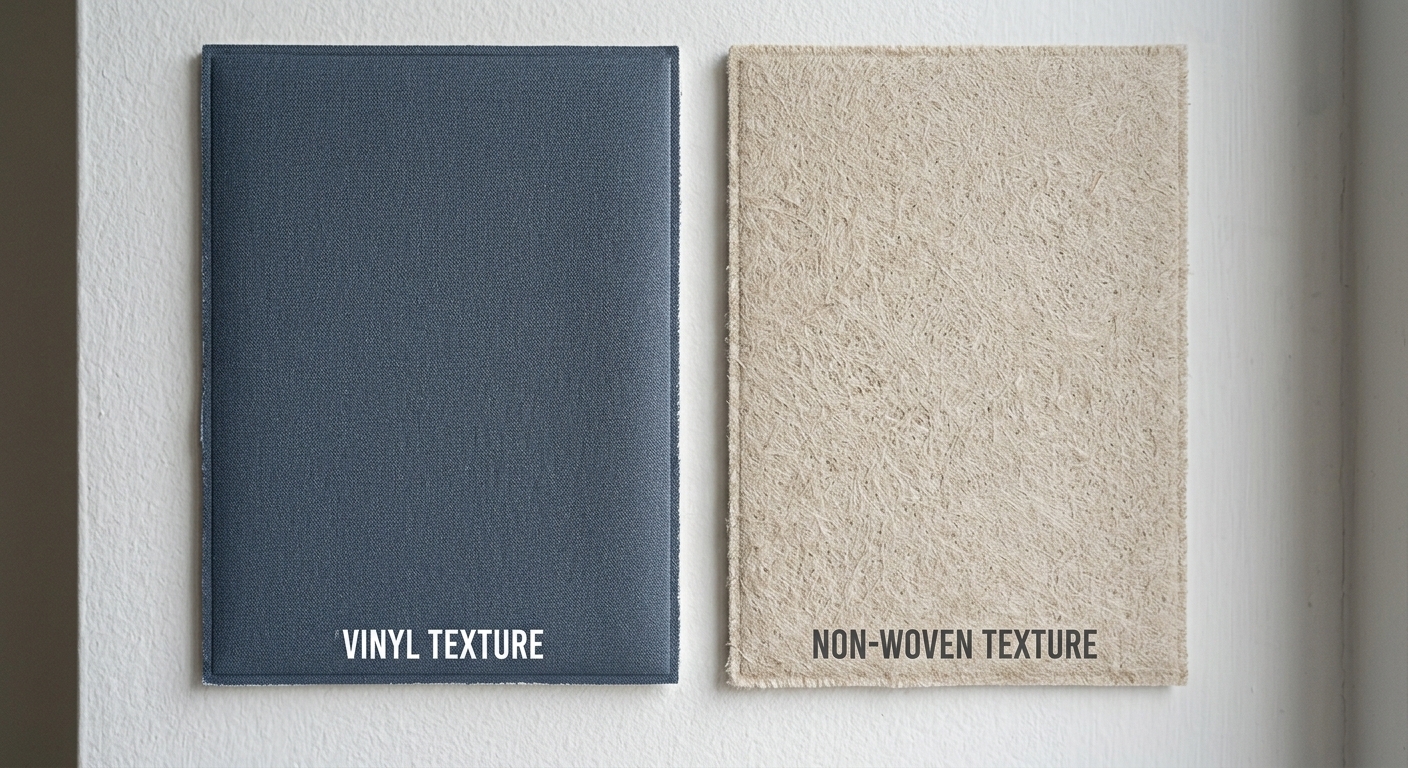
Before examining the characteristics of both, it is important to understand the role each material plays in wallpaper construction.
- Vinyl, generally refers to the wallpaper’s surface layer, which is made of PVC (polyvinyl chloride). This layer is easy to clean and resistant to moisture and certain types of stains.
- Non-woven, on the other hand, refers to the base material—or backing—composed of a blend of natural and synthetic fibers, such as polyester. Unlike woven fabrics, this material is produced through a fiber-bonding process, resulting in a strong, stable sheet.
Consequently, a single wallpaper can feature a vinyl surface and a non-woven backing. Thus, the terms “vinyl” and “non-woven” do not necessarily represent mutually exclusive material choices.
By understanding these distinctions, you can evaluate wallpaper based on the function of each layer rather than simply by the material name.
2. Consider Material Durability and Stability
Once you understand the construction, consider how each component performs during everyday use.
- Vinyl: Relatively easy to clean and offers good resistance to stains, abrasion, and surface moisture.
- Non-woven: Helps maintain the wallpaper’s structural stability and can facilitate installation and removal for certain products.
The two serve different functions; surface durability is not the same as backing stability. Therefore, do not judge wallpaper quality based on a single material alone.
So, when looking for durable wallpaper, consider the overall construction rather than focusing solely on whether it is made of vinyl or non-woven material.
3. Consider the Room Conditions.
Another factor to consider is the condition of the room, which determines the appropriate type of wallpaper construction.
- Vinyl: Products with suitable specifications offer superior water resistance, making them a viable option for areas prone to water splashes.
- Non-woven: These feature a fiber-based structure that makes the material more breathable compared to non-porous vinyl surfaces.
It is important to note that a vinyl-surfaced wallpaper is not automatically suitable for areas constantly exposed to water. Therefore, ensure you check the specifications to confirm the wallpaper is appropriate for the room’s conditions.
Choose Wallpaper Based on Room Requirements
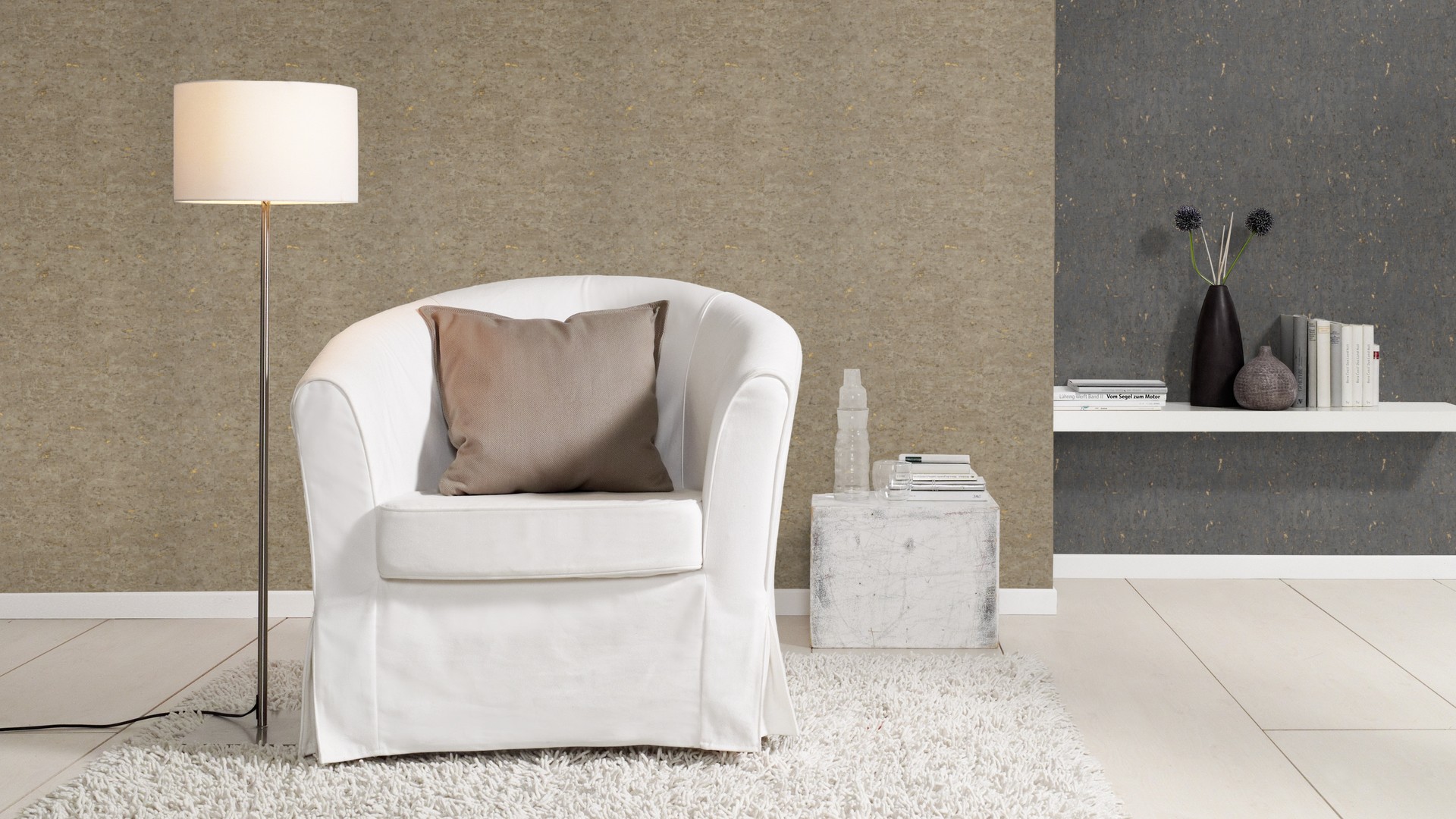
Once you understand surface and backing types, you can select wallpaper based on your interior needs.
Consider solid vinyl if you:
- Prioritize a surface that is relatively easy to clean.
- Need greater resistance to stains or splashes.
- Have a room with high traffic or activity levels.
Recommended rooms: Kitchens and bathrooms.
Consider non-woven if you:
- Want a dimensionally stable base material.
- Are considering the “paste-the-wall” installation method available for certain products.
- Want a more convenient removal process during future renovations.
Recommended rooms: Living rooms and bedrooms.
If you come across wallpaper featuring a vinyl surface and a non-woven backing, do not view these as conflicting materials. In fact, this combination demonstrates that the surface and backing of a single product can be made from different materials.
Conclusion: Understand the Construction First, The Choose the Wallpaper
Understanding the differences between vinyl and non-woven wallpapers goes beyond simply determining which material is more durable; it is equally important to understand the function of each component within the wallpaper’s construction.
Ultimately, your choice should be based on factors such as the surface, backing, room conditions, maintenance requirements, and installation method. By understanding the construction from the outset, you can select a wallpaper collection that not only enhances the beauty of your walls but also fully supports your interior design needs.