 4.9
4.9


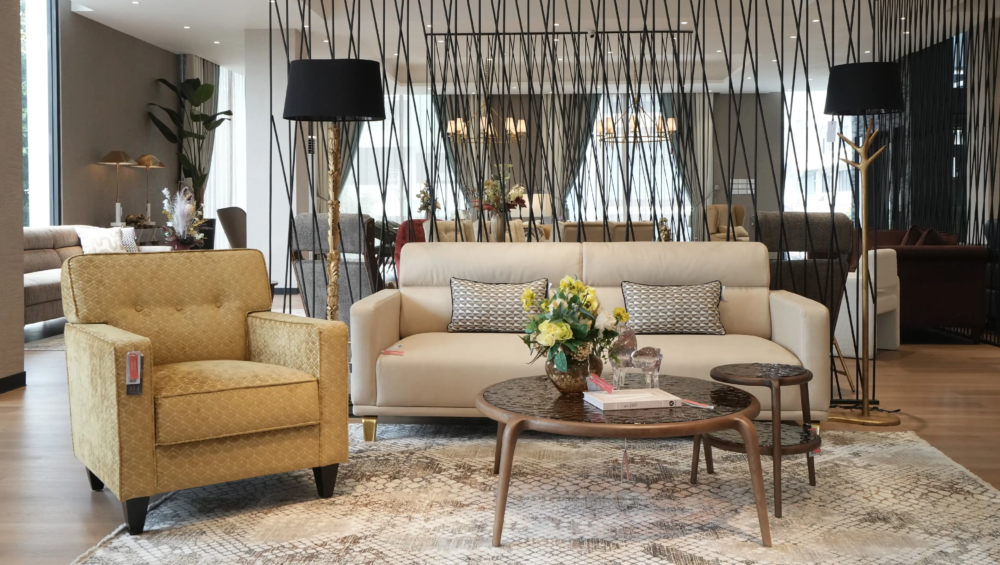
Armless sofas have recently been garnering attention for their distinctive look. The absence of armrests creates an open, airy feel along the sides, lending the design a unique character while offering great flexibility in room layout.
Interestingly, the choice between a sofa with or without arms goes beyond mere aesthetics. This detail also influences comfort, furniture proportions, traffic flow, and how the sofa is used in daily life.
So, is an armless sofa always the better choice? Or do sofas with arms still hold their own advantages? Before making a decision, let’s look at the differences between the two.
Sofa with Arms or Without Arms, Which is More Comfortable?
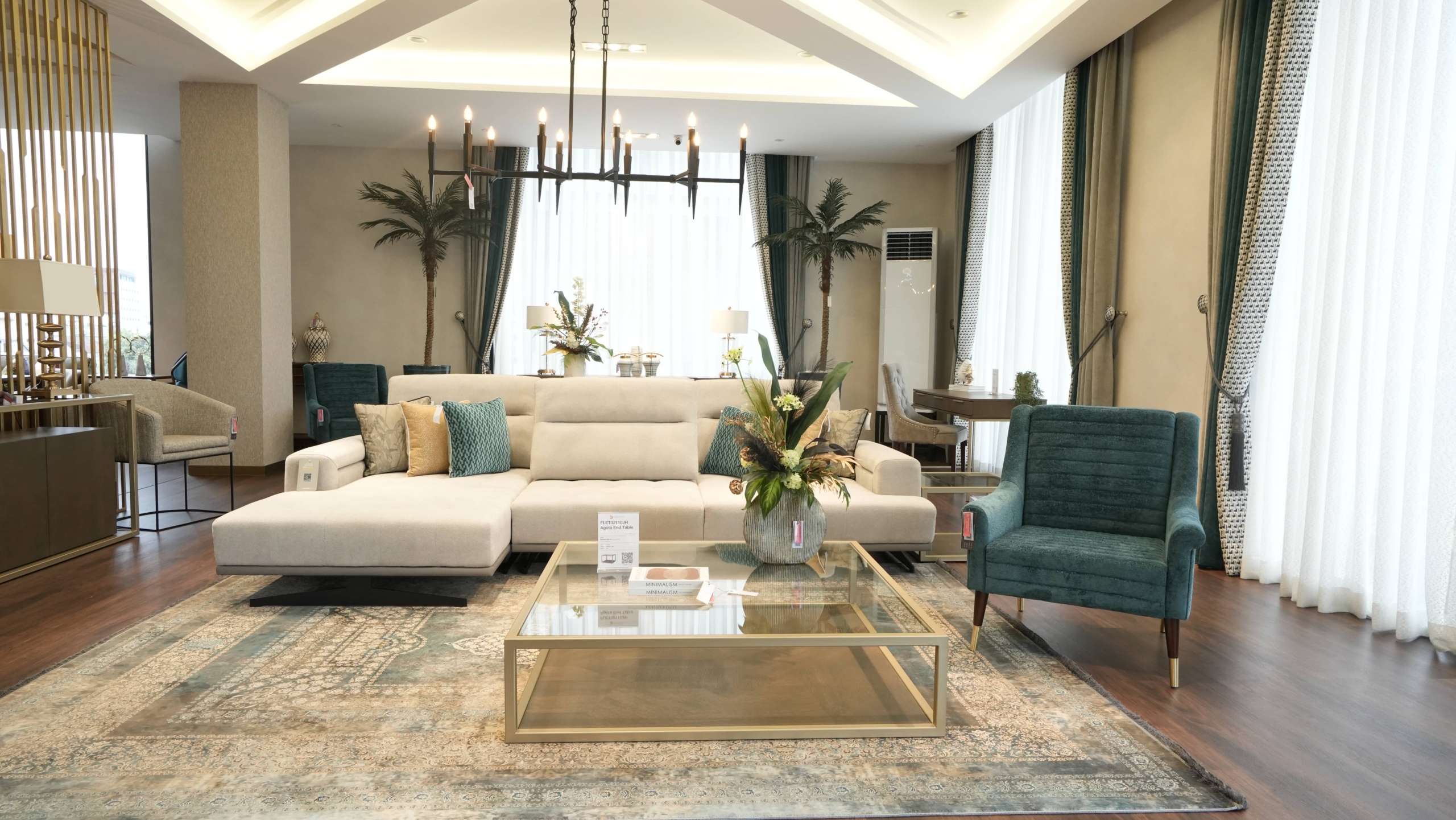
Each sofa model offers a distinct seating experience. According to Livingetc, interior designers note that the presence of armrests can influence how a sofa is used, particularly regarding comfort and the sense of space.
Sofas with arms provide a surface to support your arms while sitting or lounging, making them ideal if you frequently use the sofa for resting, reading, or watching TV.
Interior designer Portia Fox observes that armrests offer a spot to lean against or curl up against—especially when you want to use the sofa as a cozy, relaxing retreat.
Conversely, armless sofas do not provide side support in the same way as models with arms. However, this design creates a more open feel, allowing you to move in and out of the seating area with greater ease.
Meanwhile, Jack, Creative Director at Nomad, explains that armless designs offer greater flexibility because they do not create rigid visual barriers within the room.
Ultimately, no single model is automatically more comfortable for everyone. A sofa with arms is a great choice if you prioritize arm support, whereas an armless sofa appeals to those seeking a seating area with a more open visual profile. The final choice should depend on your usage habits, the sofa’s placement, and your specific spatial needs.
Differences to Consider
Beyond comfort, you also need to consider how the sofa’s design interacts with the overall interior. There are five aspects that can help you clearly distinguish between the two.
1. Arm Support and Comfort
The most obvious difference between the two models lies in the presence of armrests. On a sofa with arms, the armrests provide extra support for your arms while sitting or lounging. This feature can make the seating position more comfortable, especially during extended periods of use.
According to Marcelina Janizewska, Head of Interior Design at Project London, armrests are ideal for freestanding two- or three-seater sofas. They help define the seating area while complementing the sofa’s overall shape.
In contrast, armless sofas eliminate the structure on either side of the seat, creating a more open look. This model is an attractive choice for those who prioritize a minimalist aesthetic or want the furniture to appear lighter within the room.
Ultimately, the choice between the two depends on your priorities. A model with arms offers support and a more defined shape, whereas an armless design provides a more open visual appeal.
2. Use of Space
A sofa’s size determines more than just whether the piece fits in the room; its dimensions also dictate how easily people can move around it and how other furniture can be arranged.
In limited spaces, armrests add structure to both sides of the sofa. Consequently, you must account for the overall dimensions—including the width of the armrests—when determining the sofa’s placement and its distance from surrounding furniture.
Conversely, an armless design creates a more open feel, lending the furniture arrangement a lighter, airier look. This quality is particularly advantageous when the sofa is placed in high-traffic areas, open-plan spaces, or interiors that incorporate multiple furniture pieces within a single zone.
This flexibility is a key advantage of armless sofas. They can be easily combined with other sofa modules or integrated into dynamic furniture arrangements. This concept suits contemporary interiors that do not rely on a static layout.
However, an armless sofa does not necessarily require less space. Length, depth, and seating capacity remain the primary factors. A large armless sofa can still make a room feel cramped if placed without regard for circulation paths.
Therefore, consider not only the size of the sofa that will fit in the room but also the freedom of movement available once it is in place.
3. Interior Appearance and Style
Beyond comfort, the shape of a sofa plays a pivotal role in defining a room’s character.
An armchair-style sofa is an excellent choice if you prioritize both comfort and a more structured appearance. This style is particularly suitable for a living room where the sofa serves as the primary focal point.
Conversely, an armless sofa offers cleaner visual lines. This design integrates seamlessly into modern or contemporary interiors that emphasize a sleek, lightweight aesthetic.
However, a sofa’s style is defined by more than just its armrests; materials, leg shapes, seating proportions, upholstery colors, and finishing details all contribute to the piece’s character.
In premium interiors, small details can make a significant difference. Therefore, it is best to view the sofa as a cohesive design statement rather than focusing solely on the presence or absence of armrests.
4. Seating Flexibility
An armless design can create a more open feel for the seating area, as it lacks armrests on either side. This characteristic makes the model appealing for spaces that require flexibility in both usage and arrangement.
Conversely, a sofa with arms establishes a clearer visual boundary for the seating area. This structure can foster a sense of intimacy and definition, particularly when the sofa serves as the room’s focal piece.
However, do not rely solely on the number of seats as your criterion. A sofa’s actual capacity depends on factors such as its length, seat width, cushion design, and overall construction.
This allows you to select a sofa based on genuine comfort and usability, rather than simply estimating how many people might fit on it.
5. Sofa Placement in the Room Layout
The placement of the sofa can alter how you perceive the differences between sofas with arms and those without.
For a primary sofa facing the television or positioned in the center of the living room, a sofa with arms can establish a stronger visual boundary. This design also helps create a more clearly defined seating area.
Conversely, an armless sofa is an appealing choice when you wish to foster a more open connection between the sofa and other furniture. This style works particularly well in flexible seating arrangements.
Therefore, consider the furniture surrounding the sofa. Coffee tables, televisions, doors, windows, and traffic paths require proportional spacing to ensure the room remains comfortable to use.
A sofa that looks stunning in a showroom is not necessarily the best choice for every layout; ultimately, furniture proportions and placement should align with the room’s specific character.
When Is It Best to Choose an Armchair?
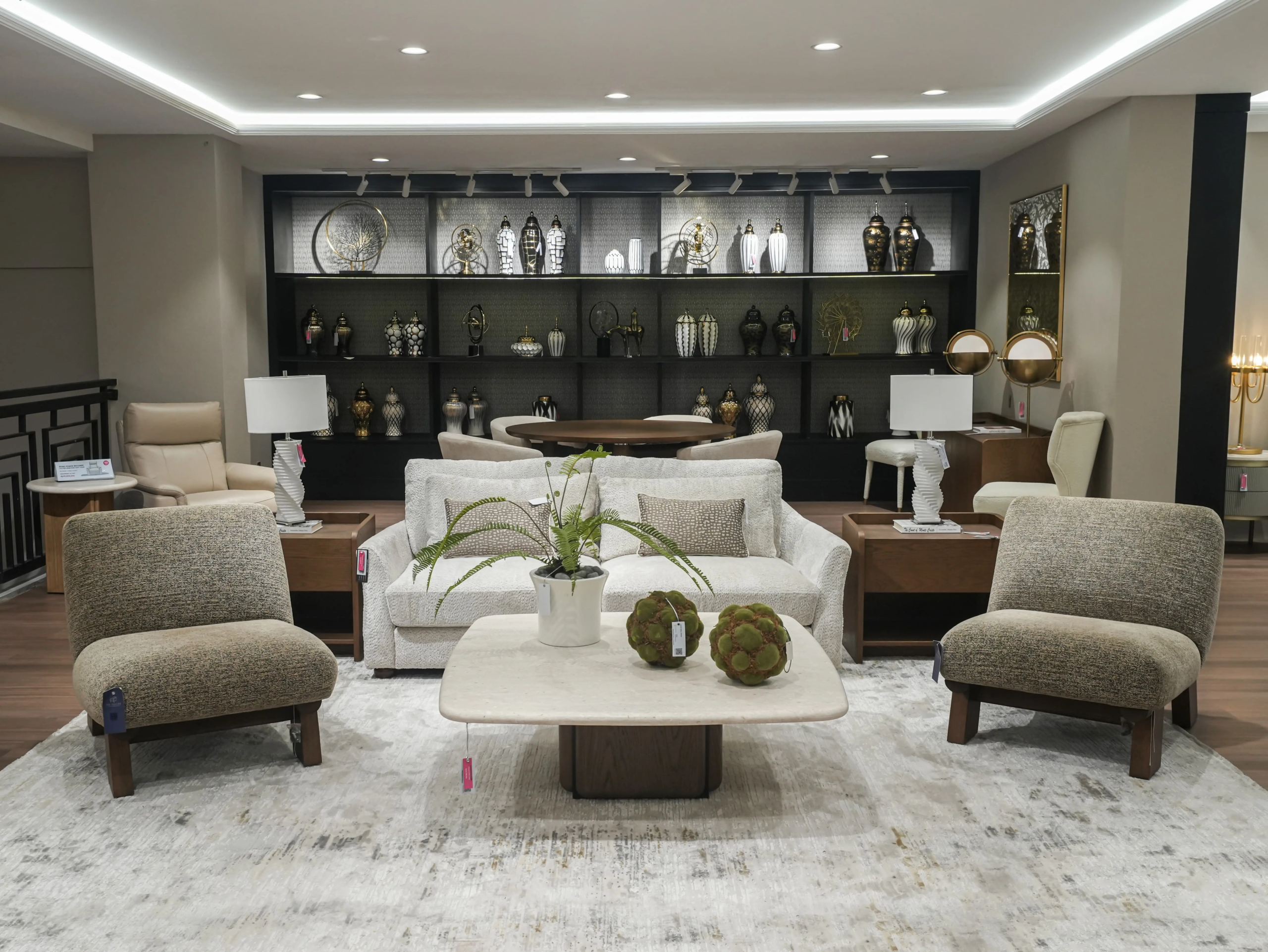
An armchair-style sofa is an excellent choice if you prioritize both comfort and a more structured look.
Consider a model with armrests if:
- You frequently use the sofa for extended periods of relaxation.
- You want a place to rest your arms.
- The sofa serves as the centerpiece of your living room or family room.
- Your interior style is classic, elegant, transitional, or modern luxury.
- You prefer a sofa with a solid, well-defined appearance.
Additionally, pay attention to the shape of the armrests. Oversized armrests can make the sofa appear visually heavy, whereas a well-proportioned design strikes the right balance between comfort and aesthetics.
When Should You Choose an Armless Sofa?
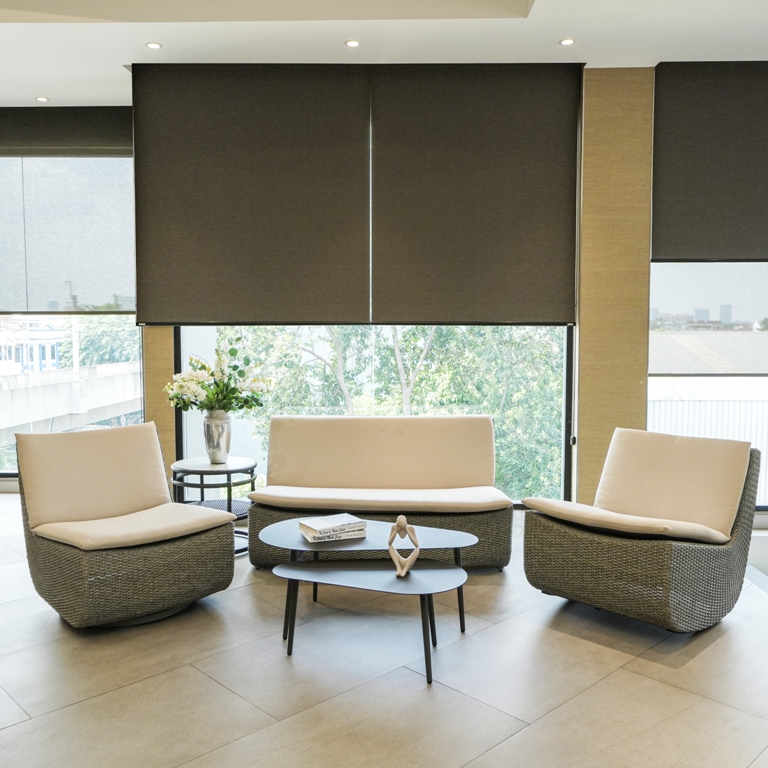
An armless sofa can be an appealing choice when you want to maintain a sense of open, airy space.
You might consider this style if:
- You appreciate a clean, minimalist design.
- The room calls for furniture with a lighter visual profile.
- You desire more open access from the sides of the sofa.
- The sofa is part of a flexible seating arrangement.
- You want to pair it with other furniture without adding too many visual elements.
However, do not choose an armless sofa simply because your room is small; you still need to ensure the sofa’s size is appropriate for the room’s dimensions and circulation needs.
Choosing a Sofa for Your Interior
Once you understand the differences between the two, the next step is to select a sofa based on the room’s conditions. The following considerations can help you narrow down your choices.
- Measure the space and circulation areas
Ensure you know the length and width of the available area. Also, leave enough space to walk around the sofa and access other furniture.
- Consider the furniture layout
Do not view the sofa as a standalone piece. Consider how it relates to the coffee table, TV, doors, windows, and other furniture in the room.
- Match the interior style
Choose a sofa shape that complements the interior’s character. A sofa with armrests can reinforce a structured look, while an armless sofa can create a lighter, airier feel.
- Check materials and construction
For premium furniture, appearance isn’t the only factor. Pay attention to the upholstery, cushion quality, construction, stitching details, legs, and finish. These details influence both the visual quality and the long-term user experience.
- Consider proportions
An oversized sofa can make a room feel cluttered, while one that is too small may look out of proportion. Therefore, always match the sofa’s size to the scale of the room and the surrounding furniture.
So, which one is better?
There is no single type of sofa that is universally superior. A sofa with arms is a great choice if you prioritize arm support, comfort, and a more structured look. Conversely, an armless sofa is ideal if you prefer an aesthetic that feels lighter, more open, and versatile.
Ultimately, the best choice depends on factors such as room size, usage habits, layout, and interior style. Consider all these aspects to ensure the sofa is not only comfortable but also well-proportioned relative to the surrounding furniture.
To find the perfect model, explore Home Decor Indonesia’s collection of premium sofas, which offers a variety of designs and styles to suit diverse interior needs. If you need further guidance regarding size, model, or placement, feel free to consult the Home Decor Indonesia team before making your decision.