English
 Bahasa Indonesia

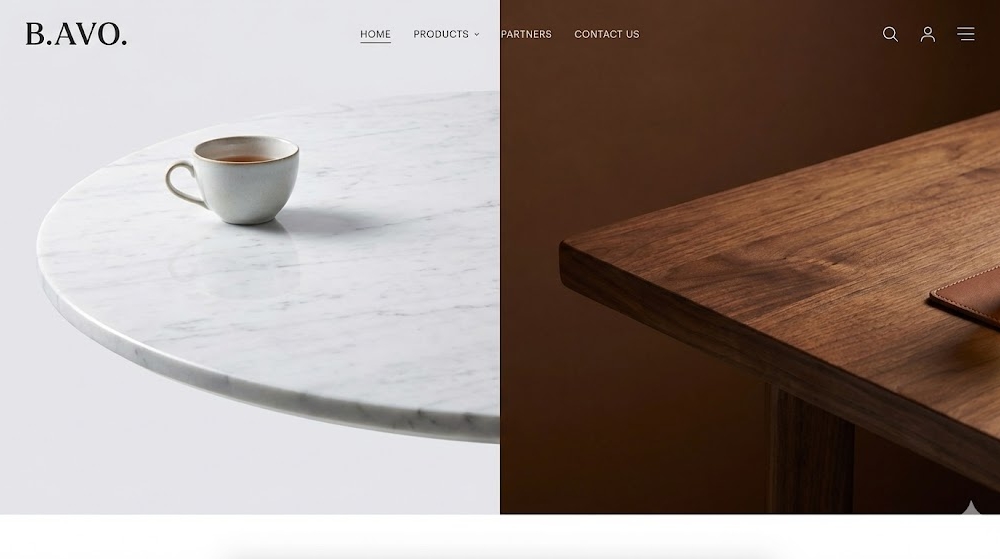
You finally selected the perfect sofa. However, you now face a much more technical decision. What material should anchor the center of your living room? A coffee table serves as the functional heart of your seating area. Therefore, choosing between marble and wood involves more than just an aesthetic preference.
We view these materials through different Material Narratives. Marble offers a cold, stone-hard elegance, while wood provides organic warmth and historical depth. Consequently, your lifestyle, maintenance habits, and local climate should dictate your final choice.
Ready to analyze the DNA of these luxury materials? Let’s dive into the technical details.
Choosing the Perfect Material for Your Luxury Coffee Table
1. The Marble Narrative: Cold Elegance and Technical Vulnerability
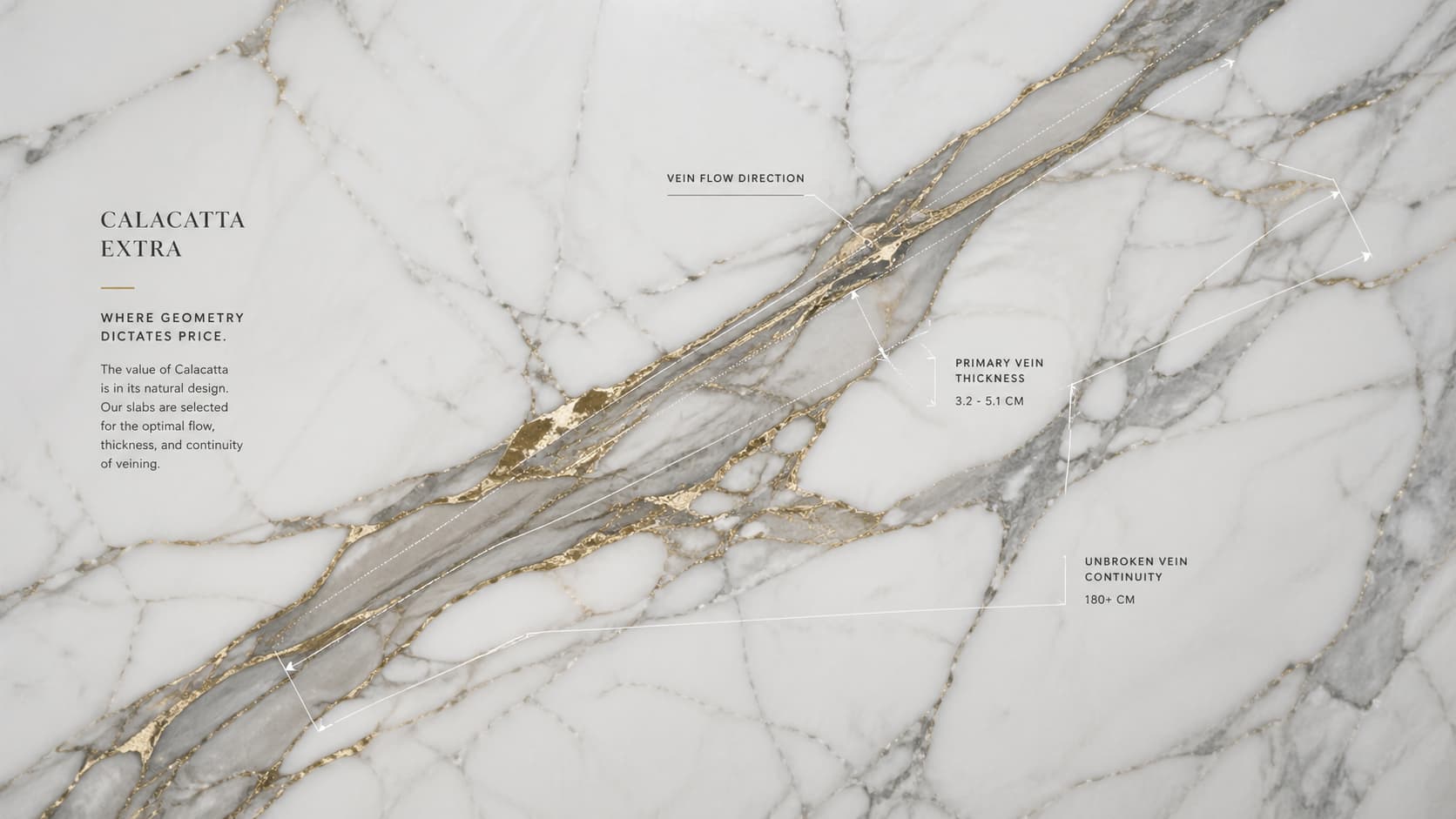
A Marble Coffee Table immediately signals high-end luxury. Specifically, it introduces a unique visual rhythm through its natural veining. However, you must understand the geological reality of this material.
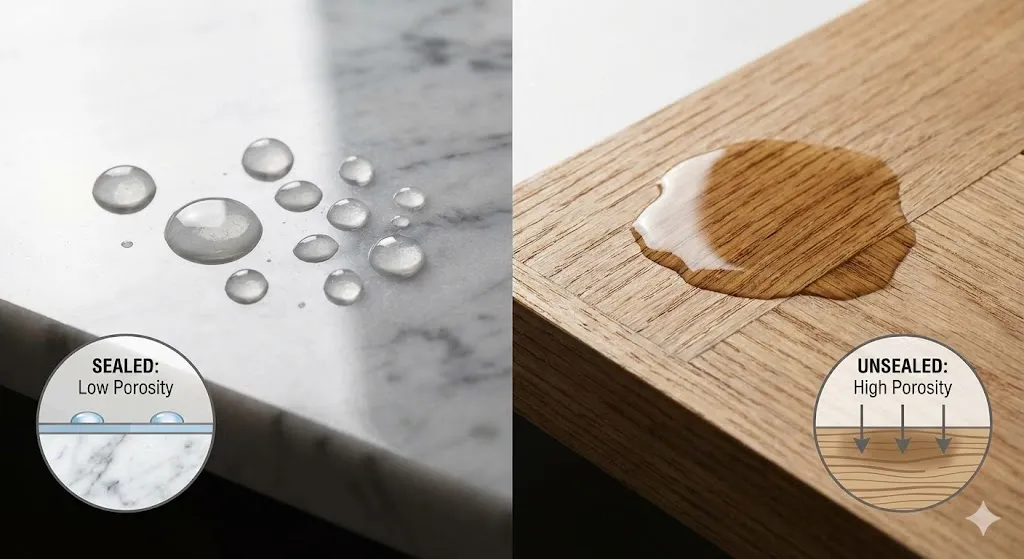
Marble is a metamorphic rock. Therefore, it possesses high porosity. This means the stone “breathes” through millions of microscopic pores. Unfortunately, these pores also absorb liquids. If you spill red wine or coffee, the liquid penetrates the surface quickly. Consequently, the stain becomes a permanent part of the table’s history unless you apply a professional sealant every six months.
In terms of temperature, marble remains naturally cool. This actually makes it an excellent choice for tropical homes in Indonesia, as it helps lower the “visual temperature” of a room. Furthermore, marble resists heat perfectly, so a hot tea cup will not damage the surface.
2. The Wood Narrative: Organic Warmth and Resilience
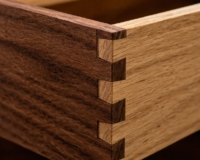
Now, consider Solid Wood. Wood tells a story of life and growth. Specifically, it softens the hard edges often found in modern glass-and-steel architecture.
Unlike the clinical feel of stone, wood feels “alive.” Moreover, the grain patterns provide a tactile texture that stone cannot replicate. In contrast to marble’s vulnerability to staining, wood faces a different enemy: humidity. Because wood is hygroscopic, it expands and contracts based on the moisture in the air. Thus, you must ensure your manufacturer kiln-dried the timber to a moisture content of 6-9% to prevent warping.
Actually, wood handles daily life with a different kind of resilience. It does not shatter or crack like stone. Therefore, it suits homes with children or pets where “accidents” happen frequently.
3. The Durability Battle: Scratches vs. Etching
Which material survives your daily routine? We must break this down into two categories: mechanical damage and chemical damage.
-
Scratch Resistance: Marble wins on hardness. However, once you chip or crack marble, repair becomes nearly impossible. Conversely, Solid Wood scratches and dents more easily. But, you can sand, stain, and refinish wood multiple times. Thus, wood offers superior long-term repairability.
-
Chemical Sensitivity: This is marble’s weakness. Acidic substances like lemon juice or soda will “etch” the marble, eating away the polished finish. Similarly, wood fears “water rings.” If you leave a cold glass on a wood surface without a coaster, the condensation trapped under the finish creates a white mark.
Ultimately, both materials demand respect. You must use coasters and trivets religiously regardless of your choice.
4. Style Matching: Modern vs. Classic
Finally, consider the visual weight of each material.
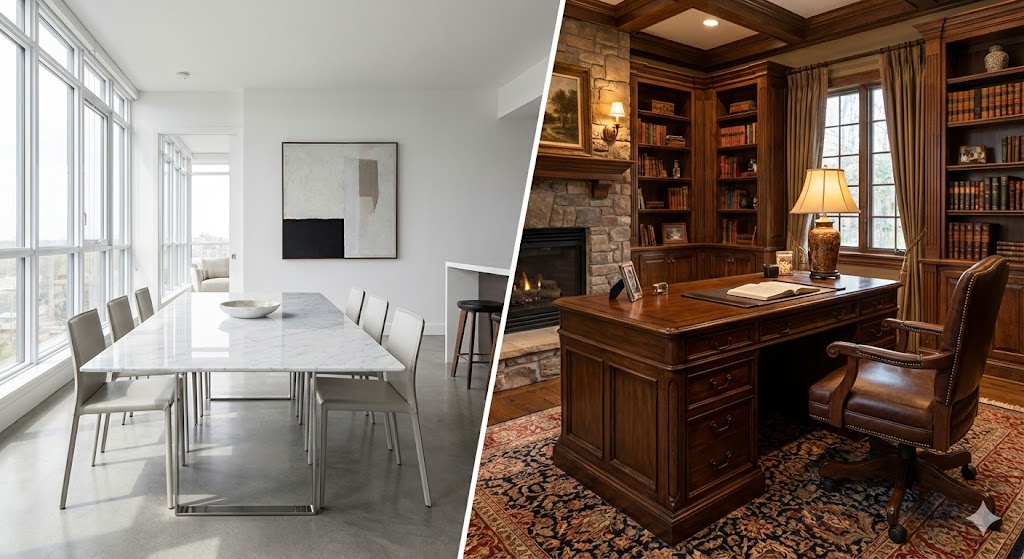
Marble fits perfectly in “Modern Glam” or “Neo-Classical” interiors. Its reflective surface bounces light, making small rooms feel larger. On the other hand, dark wood anchors a room with authority. It suits “Mid-Century Modern” or “Classic Traditional” styles beautifully. Interestingly, many designers now mix these materials. They use a marble top on a wood base to combine tactile luxury with organic stability.
Conclusion: Your Lifestyle Determines the Winner
Choosing between marble and wood depends on your “Maintenance Persona.” If you enjoy the ritual of sealing stone and appreciate a cool, heavy centerpiece, choose marble. However, if you prefer a material that ages with your family and offers a warm touch, go with wood.
Ultimately, both materials represent an investment in quality. Choose the one that speaks to your home’s soul.