 4.9



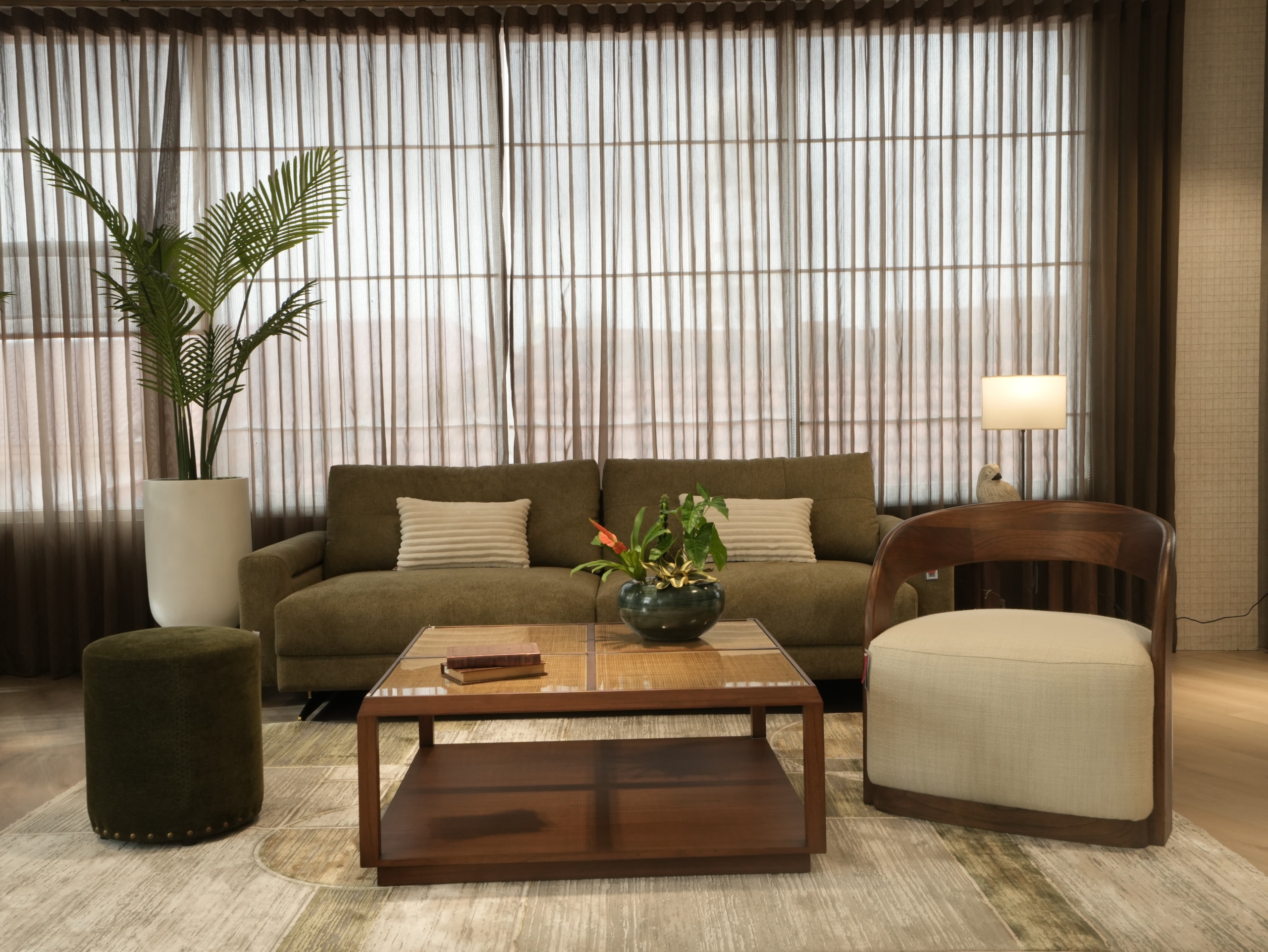
When you design a neutral‑colored living room, the challenge is to create visual interest without breaking the calm palette. A well‑chosen modern coffee table can become the anchor that ties the space together, especially when you pair it with thoughtful accents, layered textures, and subtle colour pops. Below are practical ideas that show how a coffee table can serve as the focal point while preserving the serene vibe of a neutral living room.
Why a Coffee Table Can Serve as the Focal Point
The coffee table sits at eye level and occupies the central floor space, making it a natural magnet for attention. In a room dominated by whites, beiges, or soft greys, the table’s shape, material, or colour can break the monotony and guide the eye across the room. By selecting a piece with a distinctive silhouette—such as a low‑profile rectangular slab or a sculptural metal frame—you create a visual anchor that invites guests to linger and explore the surrounding décor.
Choosing a Neutral Coffee Table That Complements Your Palette
Start with a table that matches the overall hue of your living room while offering a hint of contrast. Neutral tones like black, white, gray, or muted wood work well because they blend seamlessly with beige walls, light‑toned sofas, and soft textiles. Below are three options from Home Decor Indonesia that illustrate how subtle colour differences can still make a statement:
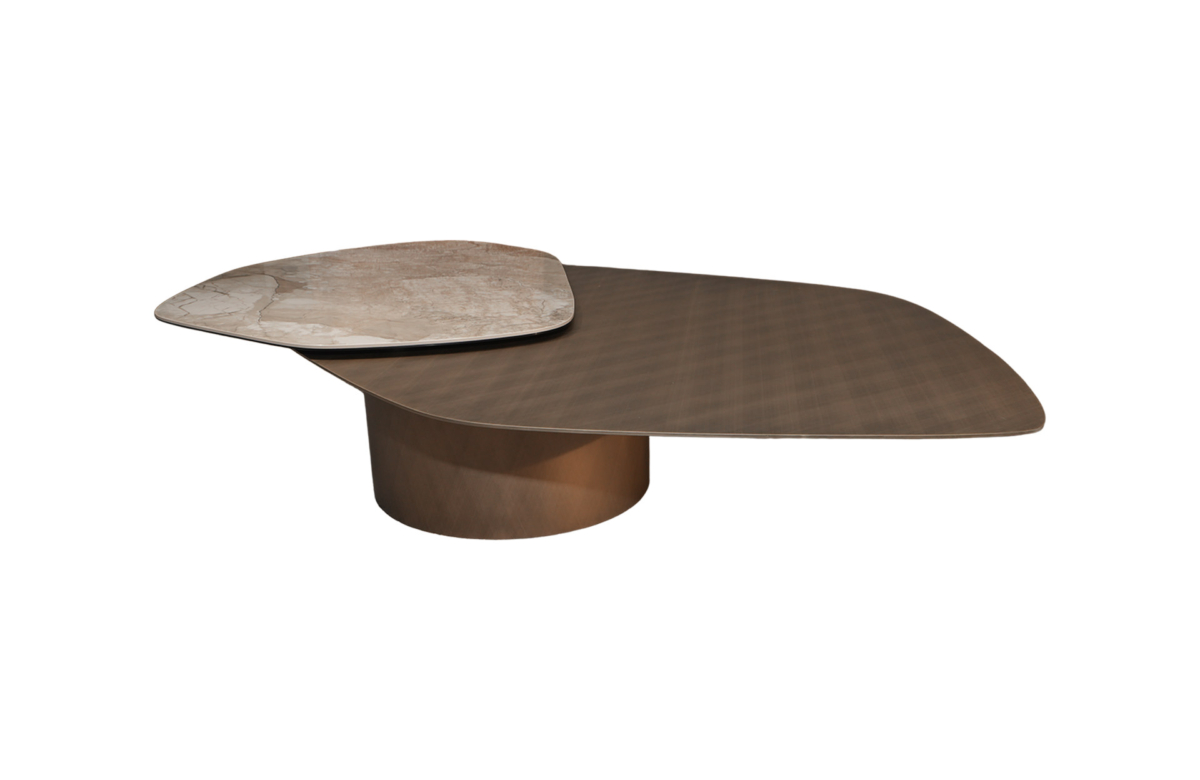
- L-FM2001 Coffee Table – Available in Brown and White, measuring 170 × 98 × 33 cm. The white finish adds brightness, while the brown option introduces a warm, earthy tone without overwhelming the neutral scheme.
- L-FM2056 Coffee Table SET – Comes in Black, Gray, and White with sizes ranging from 105 × 67 × 38 cm to 108 × 77 × 43 cm. The sleek gray or black frames provide a subtle contrast that highlights the table’s clean lines.
- Amazone Coffee Table Set – Features a Black finish, dimensions 78 × 44 × 38 cm (medium) and 98 × 56 × 41 cm (large). Its matte black surface works as a quiet yet powerful focal point against light walls.
When choosing, consider the table’s height relative to your sofa (typically 40‑45 cm lower) and ensure the surface area is sufficient for decorative items without feeling cramped.
Accent Strategies: Rugs, Vases, Books, and Greenery
Once the coffee table is in place, enhance its role as a focal point with carefully curated accessories:
- Rugs: A low‑pile rug in a soft natural fibre, placed under the table, defines the coffee‑table zone. Choose a rug that is slightly larger than the table’s footprint to frame it without competing for attention.
- Vases and Sculptural Objects: A tall, matte‑finished vase in a muted terracotta or a brushed metal sculpture adds vertical interest. Keep the colour palette limited to one or two accent hues to maintain harmony.
- Books and Stacks: A neatly arranged stack of coffee‑table books in neutral covers (cream, soft gray) creates texture and invites casual browsing.
- Greenery: A small potted succulent or a trailing pothos in a simple ceramic pot introduces a fresh, organic element. The green leaf colour provides a subtle pop that enlivens the neutral space.
Arrange these items asymmetrically for a more dynamic look—place a vase on one side, a book stack on the other, and a plant at the back corner. This composition keeps the eye moving across the table, reinforcing its status as the room’s visual centre.
Balancing Scale and Proportion for a Harmonious Look
Scale is crucial when the coffee table is the focal point. An oversized table can dominate a modest room, while a tiny table may get lost. Measure the distance between your sofa and surrounding chairs; a comfortable clearance is about 45‑60 cm. The table’s length should be roughly two‑thirds the length of the sofa, ensuring a balanced proportion.
Consider the table’s thickness and leg design. Thin, tapered legs create an airy feel, allowing the floor and rug to remain visible, which is ideal for smaller rooms. Conversely, a solid base adds weight and can anchor a larger, open‑plan space. Mix materials—such as a glass top with a wooden base—to introduce visual contrast while staying within the neutral colour scheme.
Finally, test the arrangement with a temporary layout before committing. Move the table and accessories around, stand back, and assess whether the eye naturally lands on the coffee table first. Small adjustments in placement can dramatically improve the focal impact.
Frequently Asked Questions
Can I use a colored coffee table in a neutral living room?
Yes, a muted colour like soft navy, charcoal, or warm wood can serve as a gentle accent without breaking the neutral mood. Keep other décor items in similar tones to maintain cohesion.
How many decorative items should I place on the coffee table?
Three to five well‑chosen pieces work best—one taller item (vase or sculpture), a couple of medium‑sized objects (books or trays), and a small greenery element. This prevents clutter and keeps the focus on the table itself.
Is a glass‑top coffee table suitable for a neutral aesthetic?
A glass top adds a light, reflective quality that enhances a neutral palette, especially when paired with a subtle base in black, white, or gray. It also makes the space feel larger, which is beneficial in compact rooms.
By treating the coffee table as a purposeful design element, you can turn a simple piece of furniture into the centerpiece of a calm, stylish neutral living room. Explore the selections at Home Decor Indonesia to find the perfect modern coffee table that fits your vision.