 4.9
4.9


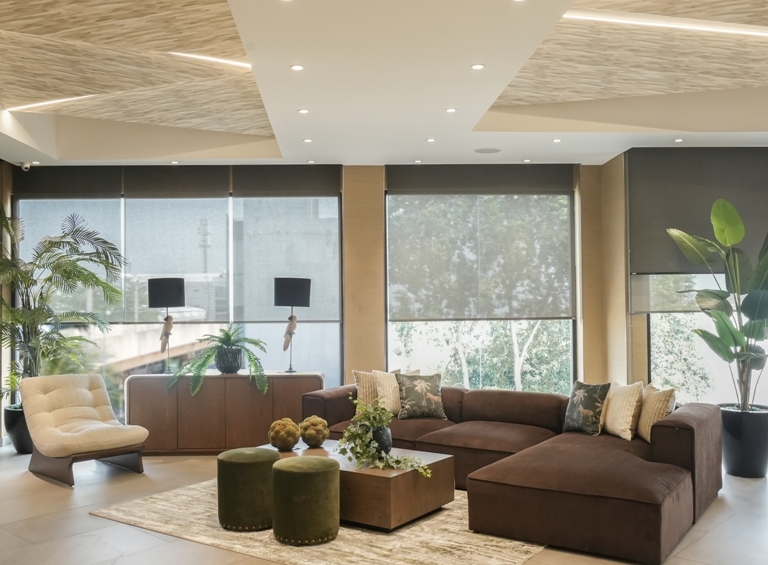
When you plan your living space, the design style you pick, modern or contemporary will affects not just looks, but how your home feels, and how well furniture blends with the architecture.
Understanding the difference helps you make choices that last.
What Is “Modern” Design and What Defines It
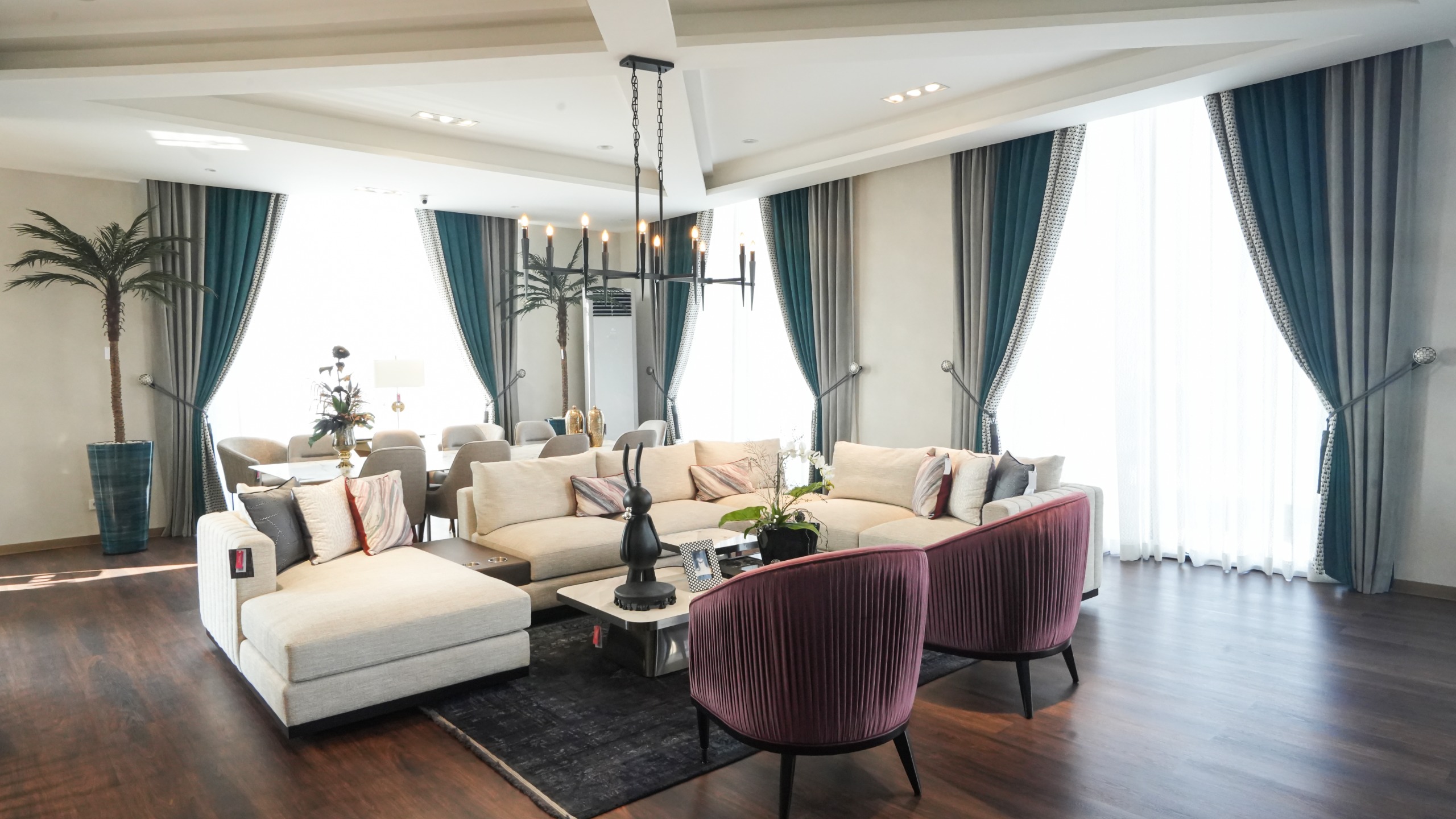
The term “Modern design” refers to a specific period, roughly the mid-20th century, and a set of style principles that became iconic.
This era, sometimes called mid-century modern, prioritized clean lines, minimal ornamentation, natural materials (wood, leather, stone), geometric shapes, and functional simplicity.
Typical features of modern interiors:
-
Straight edges, flat planes, and low-profile furniture (e.g. sofas or chairs with exposed legs and simple frames).
-
Neutral or earthy color palettes. Whites, beiges, wood tones, greys, are often paired with warm wood textures for a calm, timeless feel.
-
Natural materials such as wood, leather, stone, wool, giving warmth, texture, and a connection to nature.
In short: modern design is defined, consistent, and rooted in a historical design movement.
What Is “Contemporary” Design (Flexible, Evolving, Now)
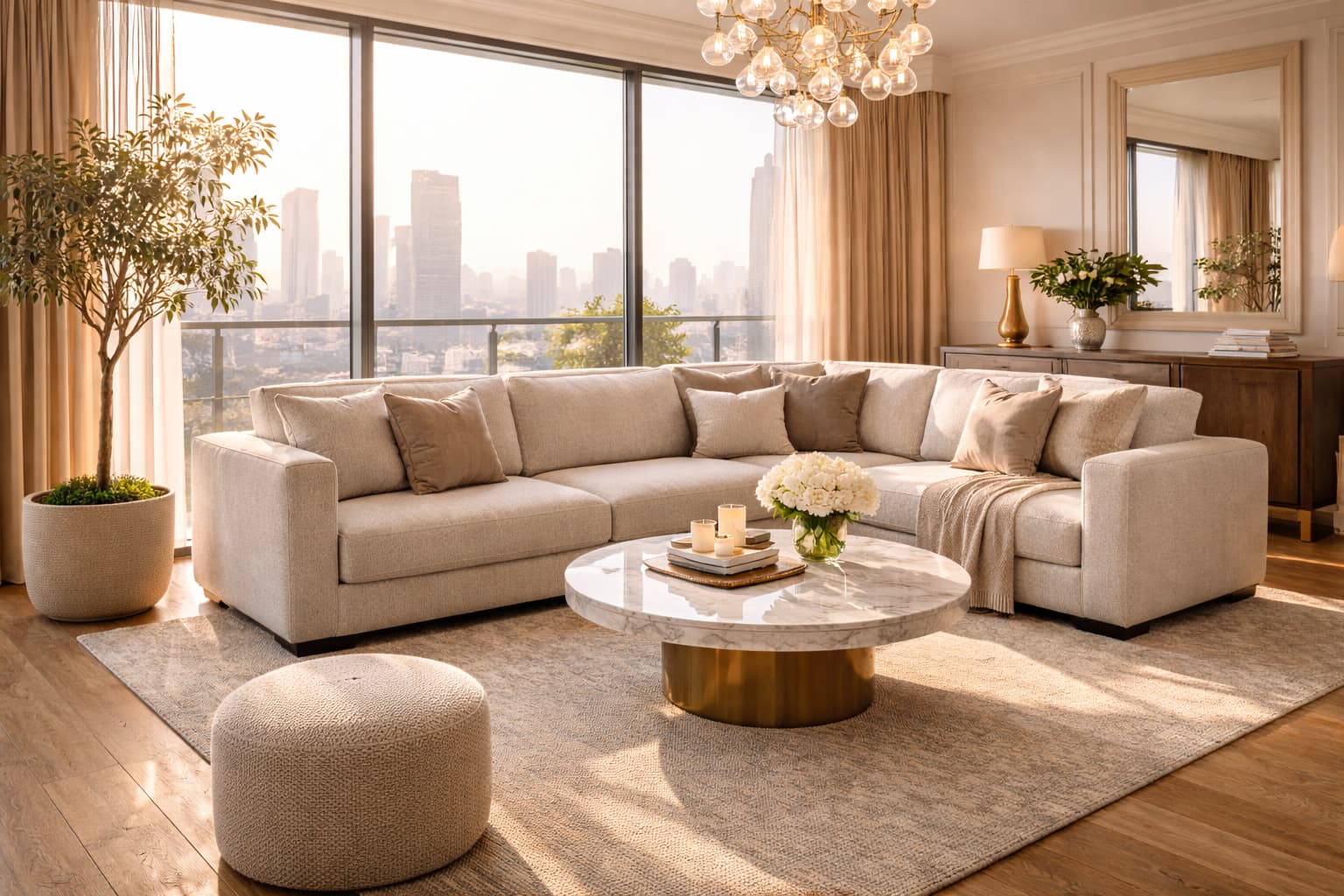
In contrast, “Contemporary design” doesn’t trace back to one specific era. Instead, it reflects what’s trending now, adopting whatever aesthetics, materials, and innovations are current.
Characteristics of contemporary interiors often include:
-
Fluid silhouettes. Curves, unexpected angles, mixed materials (glass, metal, marble, concrete), and sometimes bold statement furniture.
-
Color palettes that can include stark contrasts (e.g. black and white), bold accent colors, or polished neutral tones — sometimes minimalist, sometimes expressive.
-
A flexible, open-minded approach: contemporary spaces often combine different materials, textures, and design influences from various eras, resulting in dynamic interiors tailored to current lifestyles and trends.
Because contemporary design evolves, what looks “on-trend” now may shift, which gives you freedom, but also means pieces can become dated as style trends change.
How to Choose a Sofa That Fits Your Home’s Architecture
When selecting a sofa, it’s smart to let your home’s architecture and style leanings guide your decision. Here’s how you can use the difference between modern and contemporary design to choose wisely:
-
If your home has clean geometry, simple lines, minimal ornamentation, and a classic feel → opt for a sofa with a straight, low-profile form, exposed legs, neutral upholstery, and minimalist silhouette. This aligns with the “diverse dialect of modern design” and keeps the space coherent.
-
If your home is built/renovated recently, or you like flexible, evolving aesthetics → consider a sofa with softer lines or rounded edges, mixed materials (e.g metal legs or glass-accent tables nearby), and upholstery that can adapt to changing décor. This fits a contemporary approach.
-
For small living rooms or apartments → modern-style sofas with clean, minimalist silhouettes help create a sense of openness. A “minimalist silhouette” sofa visually expands space and avoids clutter.
-
For larger living spaces or open-plan homes → a contemporary-style sofa or sectional can anchor the room and accommodate evolving décor changes over time.
Simple Trick
Choose Modern When…
- Your home feels timeless, serene, and minimal
- You prefer natural materials and earthy tones
- You value consistency and simplicity
Choose Contemporary When…
- You love flexibility, want to follow current trends, or plan regular updates
- You want bold contrasts, mixed textures, and evolving design
- You enjoy experimentation with shapes, materials, and statement pieces
Design is personal, but knowing these styles helps you choose furniture that doesn’t just look good today, but still feels right years from now.