 4.9
4.9


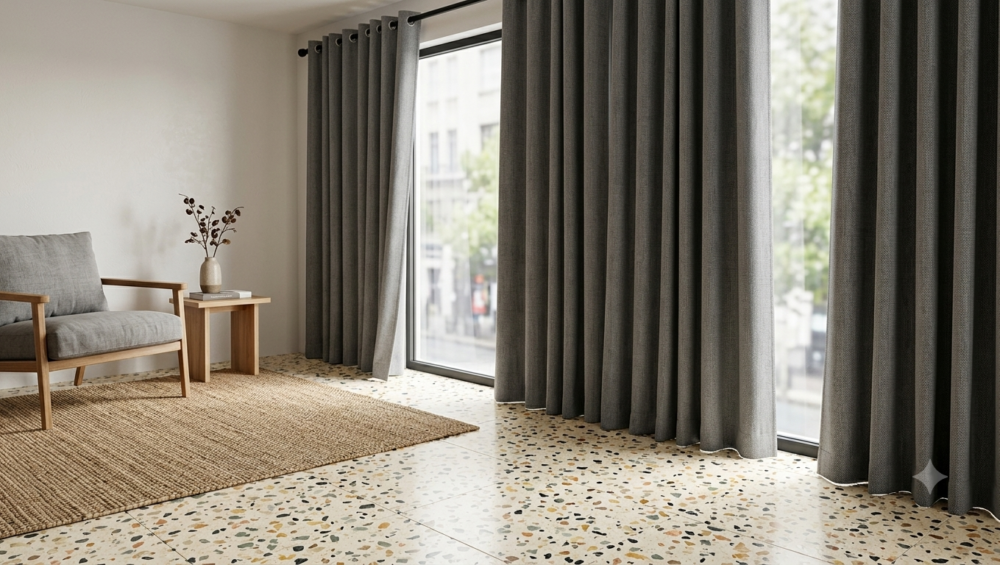
Ripplefold and pinch pleat are two popular curtain styles that lend a modern, elegant touch to interiors. While both offer a neat appearance, they differ in their pleat characteristics, installation methods, and the way the fabric drapes.
Ripplefold creates consistent, wave-like folds, whereas pinch pleats form more structured folds at the top of the curtain.
When selecting curtains, Home Decor Indonesia suggests choosing a pleat style based on factors such as the room’s character, window proportions, and daily usage patterns.
Understanding the unique qualities of each style can help you choose curtains that are not only elegant but also well-proportioned and suited to the specific needs of the space.
What Is the “Ripplefold” Style?
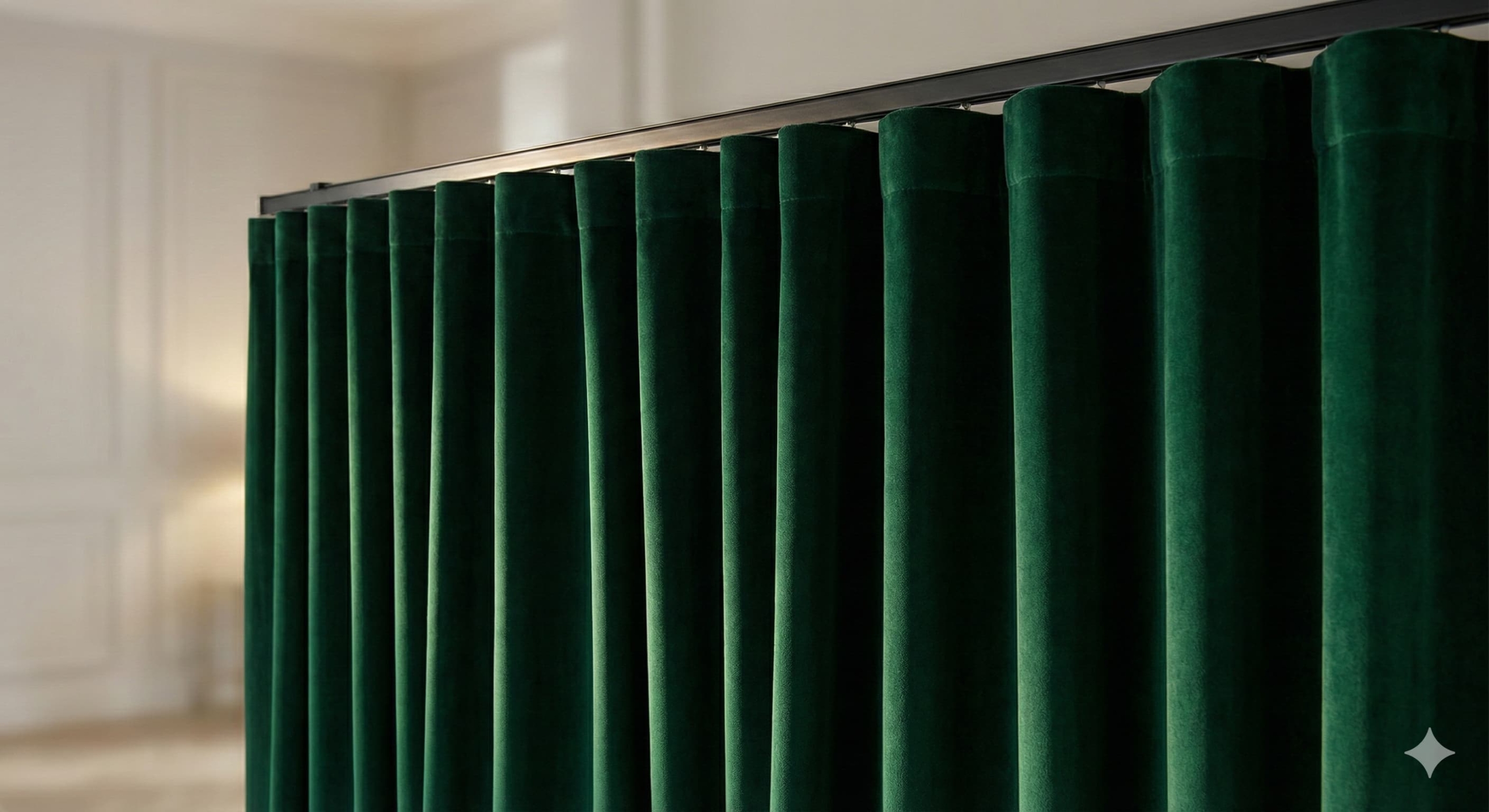
In drapery systems, the term “Ripplefold” refers to a curtain style characterized by consistent, repeating wave-like or “S-shaped” fabric folds across the entire panel.
Ripplefold shares a similar appearance with S-Fold or wave curtain styles. However, terminology and system specifications can vary among manufacturers—particularly regarding track types, carriers, and carrier spacing.
Key characteristics of these folds include:
- Consistent “S” Waves: The fabric forms a repeating wave pattern resembling the letter “S,” creating a neat and controlled appearance across the curtain’s surface.
- Clean, Modern Silhouette: Ripplefold offers a streamlined look that blends seamlessly with modern, contemporary, and minimalist interiors.
- Carriers and Fullness: The depth of the Ripplefold wave is determined by carrier spacing and the fullness ratio employed. Consequently, the final result depends not only on the fabric type but also on the track specifications and heading system.
- Fluid Fabric Drape: The repeating wave pattern creates a visual rhythm in the fabric from top to bottom. This characteristic is particularly striking in full-length curtains covering wide window openings.
Given these qualities, Ripplefold is an appealing choice when you want the curtains to serve as an integral part of the room’s visual architecture rather than acting as an overly dominant decorative element.
What is the “Pinch Pleat” Style?
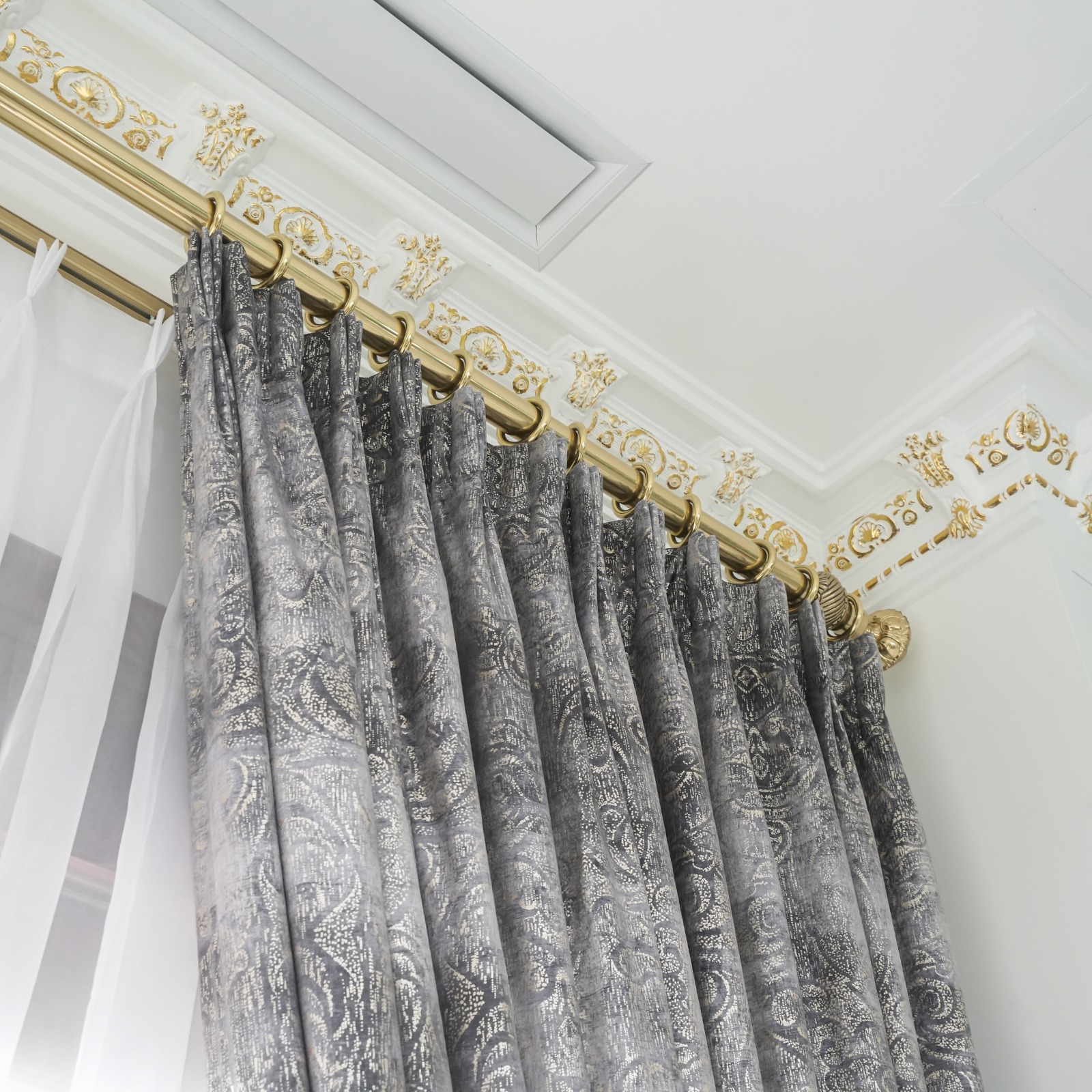
While Ripplefold relies on a wave-like effect, pinch pleats create character through gathered folds stitched at the top of the curtain, resulting in a more structured look with strong visual dimension.
Pinch pleats form organized groupings of folds, allowing the fabric to drape gracefully toward the floor. This style is compatible with either tracks or curtain rods with rings, depending on the chosen installation system.
Key characteristics of pinch pleats include:
- Structured Folds: Fabric is gathered into groups of pleats at the top of the curtain and stitched to maintain their shape.
- Refined and Timeless Appeal: The uniform pleat structure conveys a classic, formal, and sophisticated aesthetic.
- Double or Triple Pleats: Pinch pleats can be configured with two or three main folds per group. Double pleats offer a relatively simpler look, whereas triple pleats tend to create a fuller, more formal appearance.
- Versatile Hardware Options: Pinch pleats can be installed on tracks using hooks or on decorative rods with rings, depending on the curtain construction and desired look. This versatility makes them easily adaptable to various interior styles.
These qualities make pinch pleats ideal for spaces requiring a formal and sophisticated atmosphere. Living rooms, bedrooms, and rooms featuring classic architectural elements can all utilize this pleat structure to enhance the interior’s character.
How to Choose a Curtain Style That Complements Your Interior?
When selecting a curtain pleat style, one should look beyond the simple question of “which is better?” The final result will be far more harmonious when the curtain style complements the character of the furniture and the functional needs of the space. Key considerations include:
- Architectural Character: Ripplefold styles tend to blend seamlessly with architecture featuring clean lines, expansive surfaces, and large glass openings. Conversely, pinch pleats can enhance spaces characterized by molding details, wall panels, or more decorative architectural elements.
- Window Proportions: Wide or floor-to-ceiling windows can leverage the continuous wave effect to create elongated visual lines, whereas pinch pleats lend a more structured look to the curtain panels.
- Furniture Character: Consider the shapes of existing furniture—such as sofas, coffee tables, and lighting fixtures. Ripplefold styles pair easily with furniture featuring clean silhouettes, while pinch pleats complement furniture with more classic detailing.
- Operational Needs: If you frequently open and close your curtains, consider a system that offers smooth, consistent movement. Ripplefold specifically utilizes tracks and carriers to maintain its wave shape, whereas pinch pleats offer various hardware configuration options.
- Interior Visual Cohesion: Ultimately, curtains should not appear as isolated elements. Select colors, textures, and pleat styles that tie the curtains to the sofa, rug, walls, flooring, and other decorative elements.
Ripplefold or Pinch Pleat: Which One Is Right for You?
Before placing an order, use the following checklist as a preliminary guide:
Choose Ripplefold if you prefer…
- An “S” wave shape.
- A modern, clean, and architectural aesthetic.
- Curtain panels that are frequently opened and closed.
Note: Ripplefold curtains are ideal for wide windows, floor-to-ceiling windows, and modern interiors.
Choose Pinch Pleat if you prefer…
- A structured pleat design.
- A refined character ranging from classic to contemporary.
- A look that suits formal, classic, transitional, or modern interiors when styled correctly.
It is worth noting that the overall look of pinch pleat drapery depends on the amount of fabric used and the pleat construction.
For precise results, factors such as installation height, finished curtain length, opening width, and stackback space must be considered. Since every window has unique dimensions and characteristics, a made-to-measure approach ensures curtain proportions that best suit the space.
As a solution, Home Decor Indonesia offers custom curtain options tailored to your specific size, material, and interior style requirements.