English
 Bahasa Indonesia

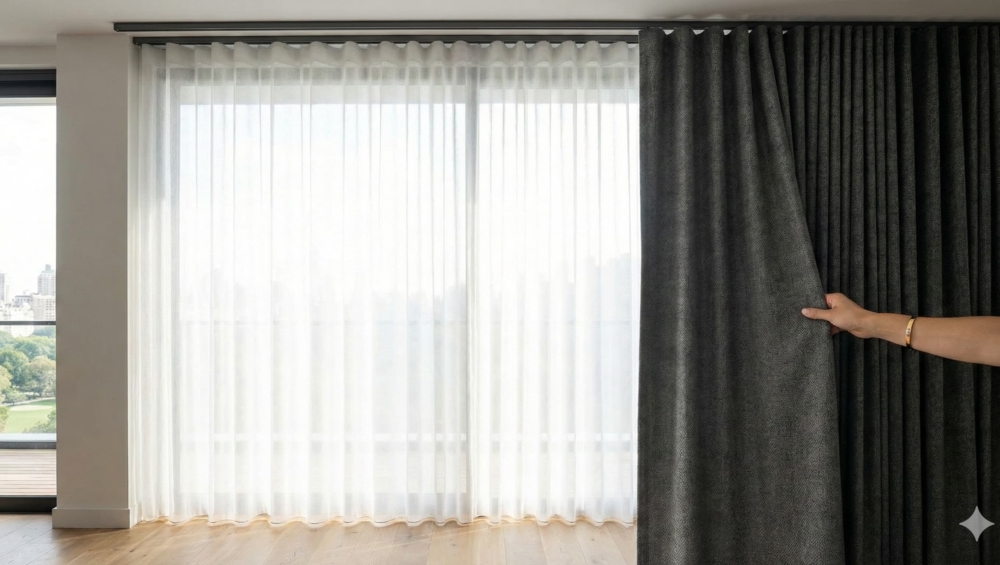
Let’s be honest. A single layer of curtains often feels one-dimensional. You either block the world out completely with heavy drapes, or you live in a fishbowl with flimsy sheers. However, you don’t have to choose between total darkness and zero privacy. You can have both.
The secret lies in layering. Just as you layer clothes to adapt to the weather, you should layer window treatments to adapt to the sun. Specifically, this requires mastering the double rail, or the Dual-Track System.
Many homeowners feel intimidated by the extra hardware. Yet, once you understand the mechanics, it changes the game completely. It gives you total control over privacy and mood. Therefore, we created this guide to demystify the process. We will break down the technical setup, the strategy for balancing day and night privacy, and the design debate of “sheers inside” vs. “sheers outside.”
Ready to become a lighting master? Let’s install that second rail.
The Dual-Track Guide to Layering Sheers and Drapes
1. The Foundation: Installing the Dual-Track System
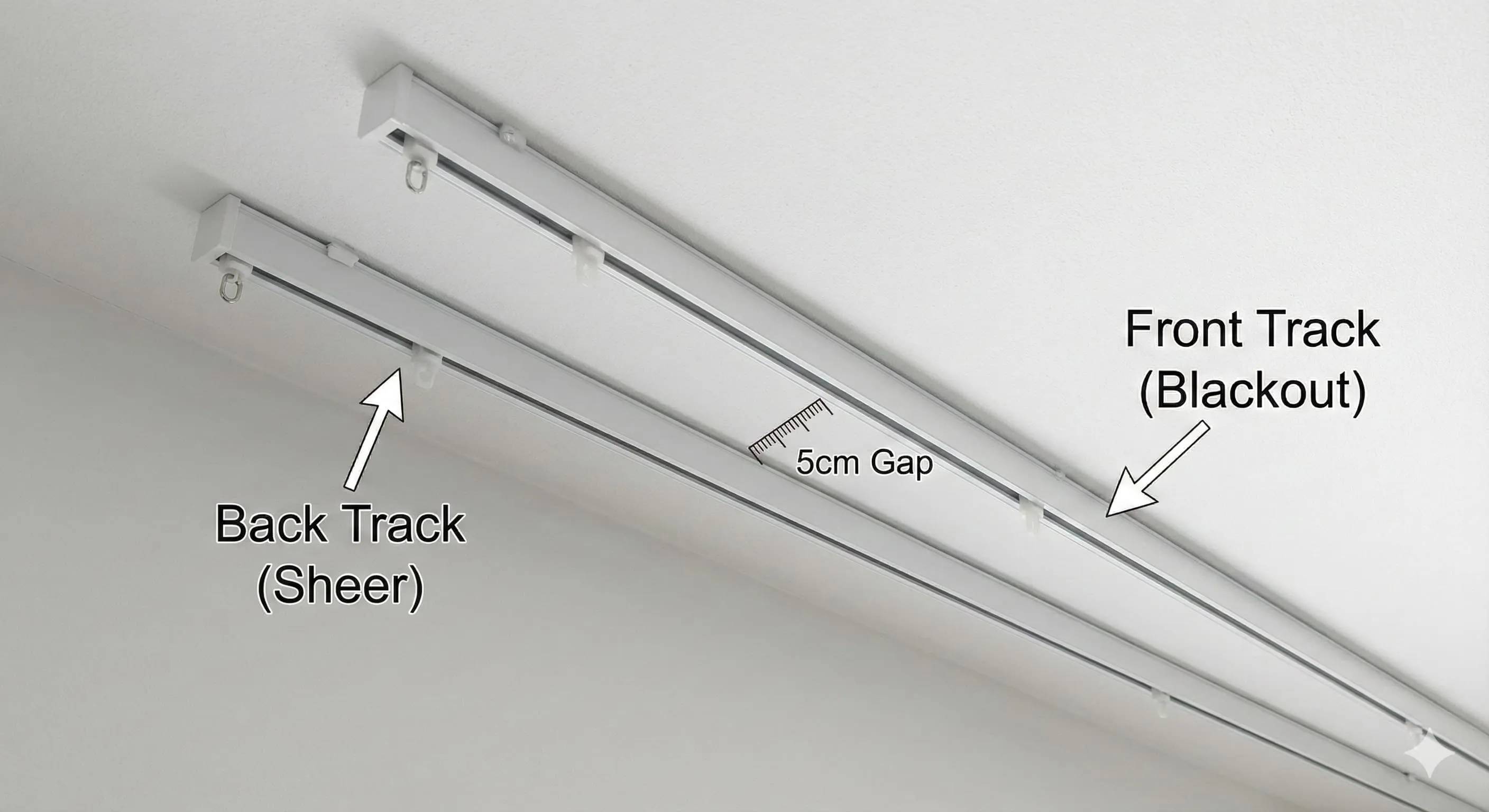
Before we talk about fabric, we must talk about hardware. You cannot achieve a layered look with a single rod unless you want a messy, bunched-up disaster. Instead, you need a dedicated Dual-Track System.
This setup features two parallel rails or rods brackets. typically, you mount the track on the ceiling or high on the wall.
-
The Back Track (Closest to Glass): This usually holds the functional layer.
-
The Front Track (Closest to Room): This holds the decorative or main layer.
Crucially, you must ensure enough spacing between the two tracks. If you place them too close, the fabrics will rub and snag when you open them. Ideally, leave at least 3 to 5 inches of clearance between the layers to allow them to glide independently.
2. Balancing Privacy: The Day and Night Strategy
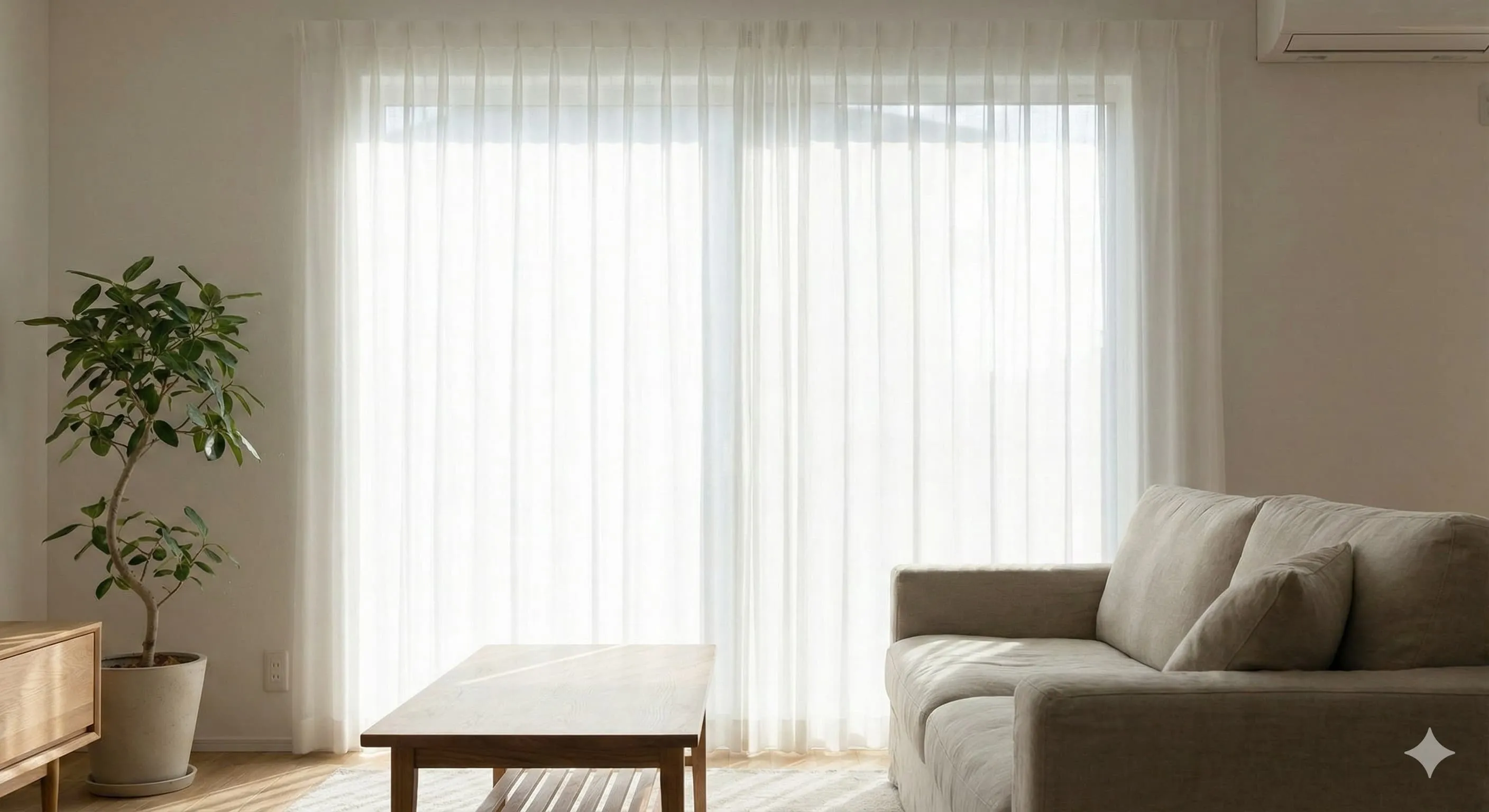
Now, let’s discuss function. Why bother with two layers? Basically, because your needs change as the sun moves.
During the day, you want sunlight, but you don’t want your neighbors watching you eat breakfast. Here, the sheer layer shines. You pull the sheers shut. They utilize their light-diffusing properties to soften the harsh UV rays while blurring the view from the outside. You get a glow without the glare.
Conversely, at night, the dynamic flips. When you turn on your interior lights, sheers become transparent. Consequently, you need the second layer. You pull the heavy, opaque drapes across the front. Instantly, you secure total privacy and block out streetlights for better sleep.
Ultimately, this combination allows you to micromanage your environment 24/7.
3. The Design Dilemma: Sheer Inside vs. Sheer Outside
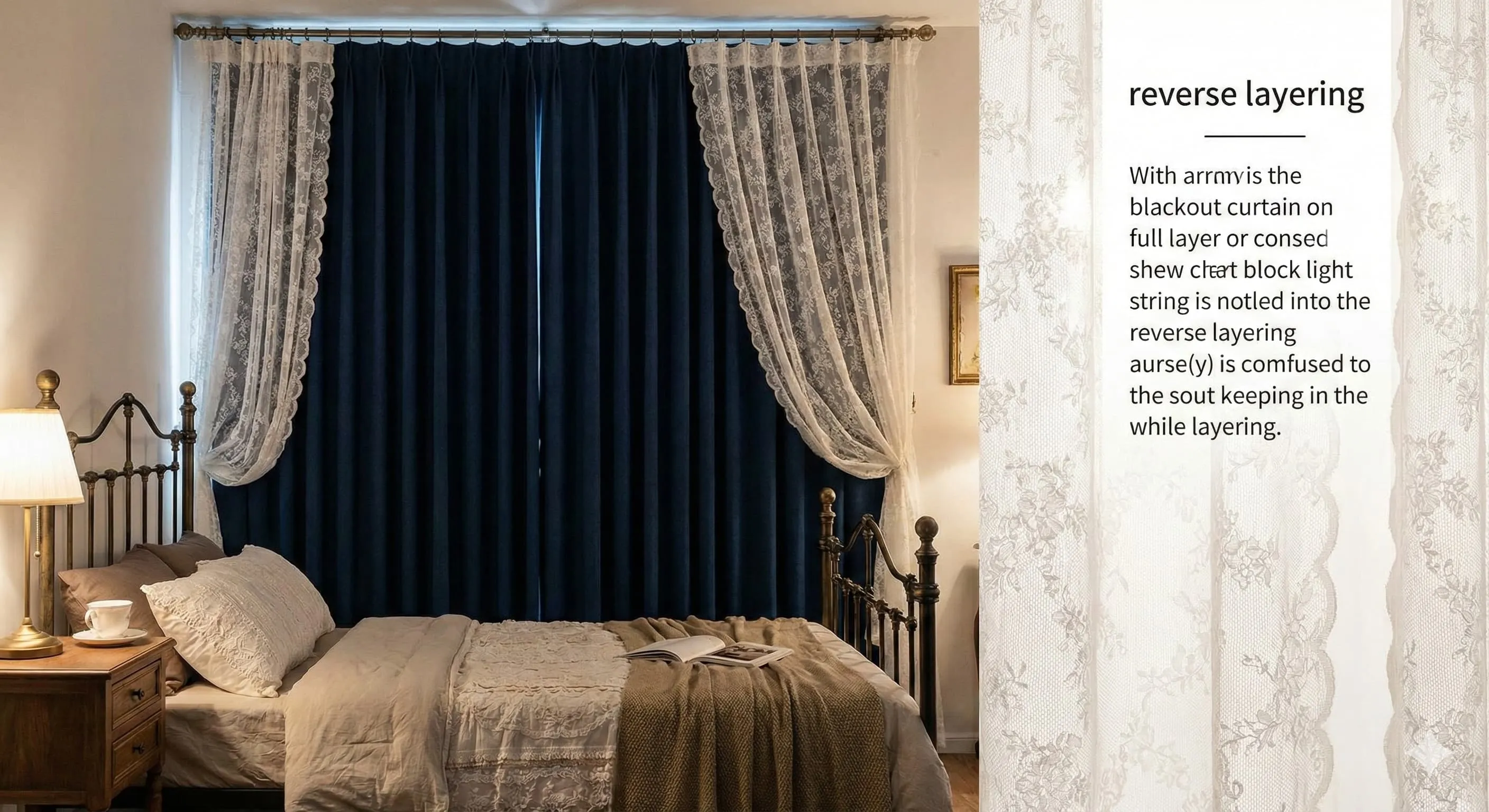
Traditionally, designers hang the sheer on the back track (closest to the window) and the heavy drape on the front. This looks classic and tidy. However, a new trend has emerged that challenges this norm.
We call it the “Reverse Layering” or “Inverted” technique.
In this scenario, you hang the heavy, solid-color drape on the back track and the patterned or textured sheer on the front.
-
Why do this? When you close both, the solid drape acts as a background canvas. The sheer overlay then softens the solid color.
-
The Effect: This creates a dreamy, atmospheric volume that adds depth and romance to the room. It makes heavy drapes feel less imposing.
Therefore, don’t feel bound by tradition. If you have a stunning, embroidered sheer, flaunt it on the front track!
Conclusion: Control Your Environment
Windows define the atmosphere of a room. By upgrading to a dual-track setup, you stop letting the sun dictate your comfort. You gain the power to filter light, ensure privacy, and play with texture.
So, next time you shop for curtains, think in pairs. Two layers truly work better than one.