 4.9
4.9


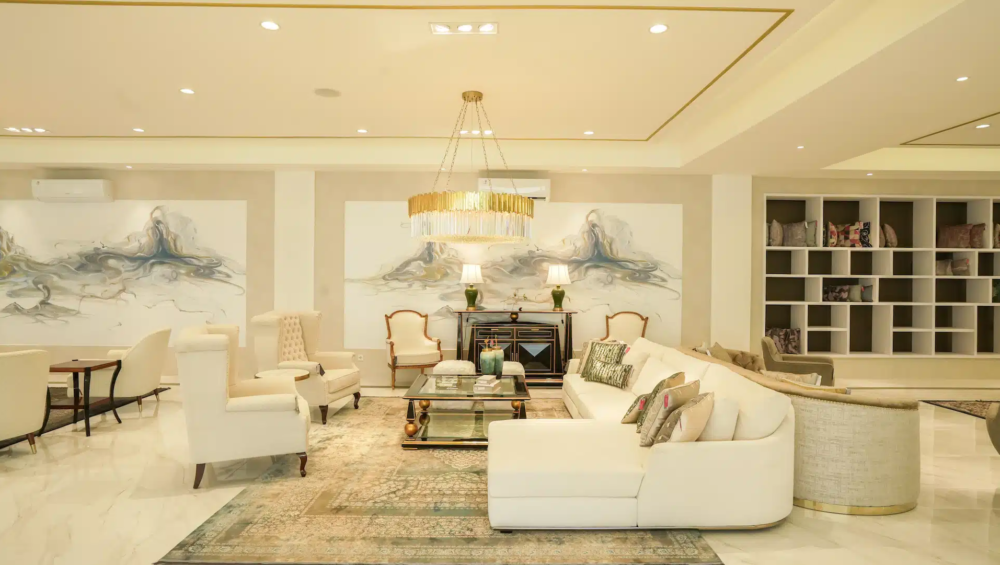
Light has the ability to change the way we perceive a room. Wood grain can feel warmer, marble can appear more elegant simply because of changes in light temperature.
That’s why premium furniture won’t show its best quality if the surrounding lighting isn’t right. In essence, lighting not only helps homeowners see the room more clearly, but also creates atmosphere and enhances the character of the materials.
One of the most important decisions in designing home lighting is choosing the right temperature.
Generally, this choice is divided into two: Warm White and Cool White. Although seemingly simple, both can create very different visual experiences in every room.
So, which one is best suited for your home? Before making your choice, first understand the characteristics of each color temperature below.
1. Difference between Warm White and Cool White

Before choosing a lamp, you need to understand that each color of light has a color temperature, which is measured in Kelvin (K).
The lower the Kelvin number, the warmer the light will appear with a yellowish hue. Conversely, the higher the number, the whiter or bluish the light will appear.
In general, indoor lighting is divided into three main categories:
- Warm White (2700–3000K) produces warm, yellowish light, creating a comfortable and intimate atmosphere.
- Cool White (4000–4500K) emits a neutral white light that feels fresher.
However, choosing a color temperature cannot be done solely based on the Kelvin number. This is because each type of light provides a different visual experience when combined with interior materials.
For example, wood grain can appear warmer and marble can reflect a more elegant impression depending on the lighting used.
Therefore, understanding the characteristics of each color temperature is the first step in determining the interior lighting system that suits your home’s concept.
2. Warm White is suitable for relaxing spaces and warm interiors.
First, you can determine what kind of atmosphere you want to create in your home.
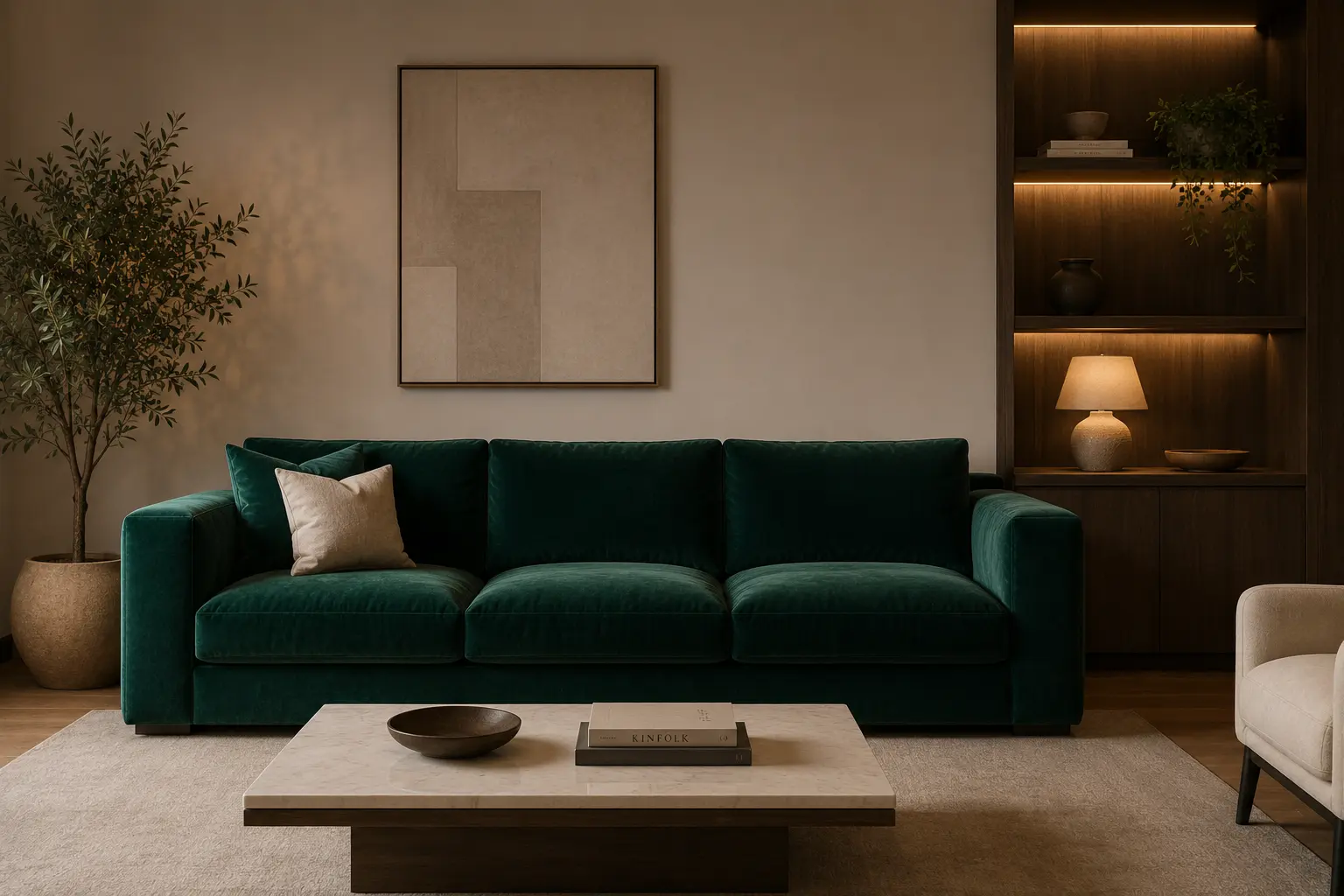
If your primary goal is to create a warm and comfortable space for relaxing, Warm White is the ideal choice. Specifically, light with a temperature of around 2700–3000 Kelvin produces a soft yellowish hue, creating a calmer atmosphere without being glaring.
In interior lighting, Warm White is often used to enhance the character of natural materials. For example, wood grain can appear more vibrant, and marble reflects light, creating a soft sheen.
This effect is why many hotels, lounges, and even Modern Luxury residences rely on Warm White as their primary lighting.
Besides enhancing the appearance of materials, this warm light also provides greater visual comfort when spending time with family and friends. Therefore, this color temperature is ideal for use in:
- living rooms,
- family rooms,
- dining rooms,
- bedrooms,
- foyers.
When combined with chandeliers or table lamps, Warm White can also create ambient lighting that creates a more elegant interior feel.
3. Choose Cool White for Areas That Need Focus

Unlike Warm White, Cool White produces neutral white light with a temperature of around 4000–4500 Kelvin. This light provides a higher level of visibility, making daily activities more comfortable and efficient.
Because it appears brighter, Cool White helps the eye distinguish colors and object details more clearly. That’s why this temperature is often used in areas that require high concentration, such as kitchens, workspaces, and even studies.
For example, Cool White chandeliers are often chosen for modern dining rooms because they provide even lighting while emphasizing the details of the dining table and surrounding decorative elements. This ensures the room remains bright enough for activities without losing the elegant feel that characterizes premium interiors.
Don’t Forget the CRI Value When Choosing a Lamp
Many people only pay attention to the color temperature of a lamp, but there’s another equally important factor: the Color Rendering Index (CRI). The CRI indicates how accurately a lamp displays the true color of an object.
The higher the CRI (usually above 90 or 80-89 for home interiors), the more natural the colors of wood, marble, upholstery, and other decor will appear.
This is why premium lighting prioritizes not only Warm White or Cool White, but also the quality of the light produced.
Each home has its own unique character, and so do its lighting needs. Therefore, it’s worth taking the time to explore various lighting design options before deciding on the most suitable one.
You can find a variety of lighting inspirations through the premium collection at Home Decor Indonesia as a reference for finding the atmosphere you want to create in your home.