 4.9
4.9


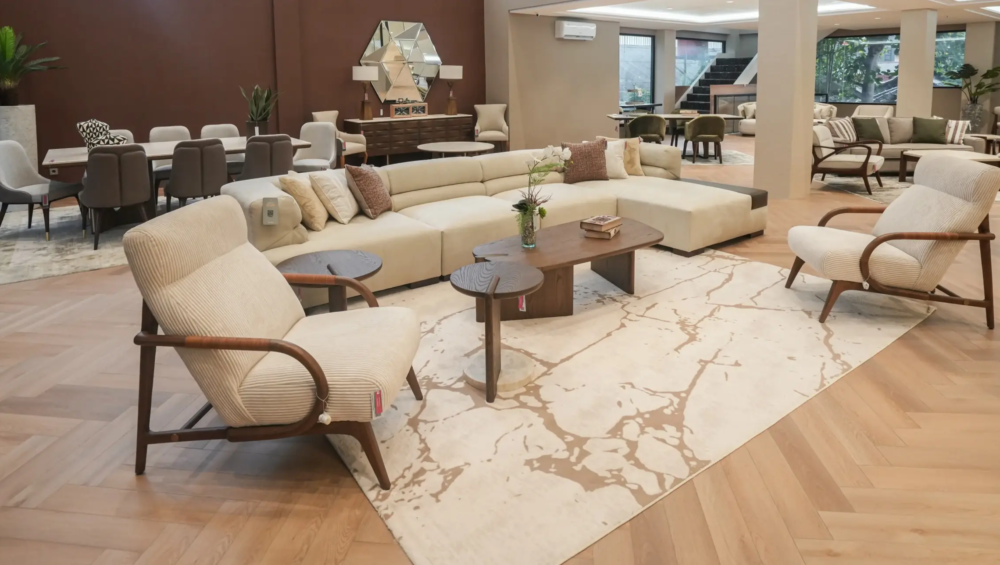
Carpet trends continue to evolve alongside shifting interior styles. As we approach 2027, carpets are no longer merely room accents; they play a pivotal role in shaping the character of an interior. Their color, pattern, texture, and shape now determine the overall visual impact of furniture and interior elements.
This shift is also evident in how designers view the role of rugs. Selecting a rug is no longer just about finding an attractive pattern; it is also about ensuring the size, material, and texture harmonize with the sofa, coffee table, and even the wall color.
At Home Decor Indonesia, we view rugs as an integral part of the overall interior composition. Understanding the latest rug trends can help you find an option that is not only visually appealing but also suits the character and needs of your space.
Ready to refresh your home’s interior? Here are five rug trends to inspire you!
1. Artistic Patterns: Carpet Art in the Room
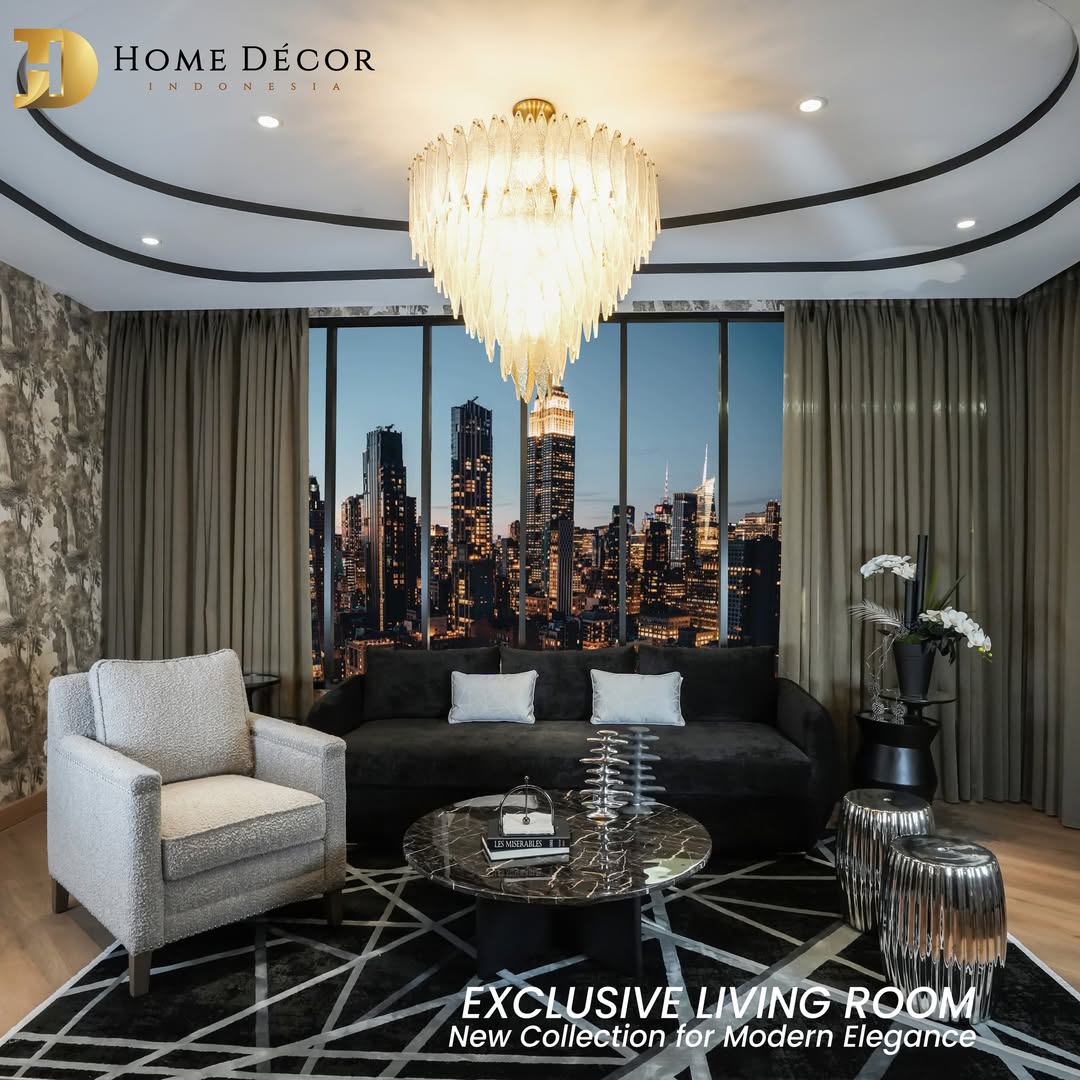
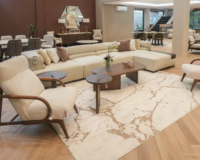
First of all, rugs featuring artistic patterns are increasingly capturing attention for their ability to introduce a distinctive visual element to a room. Instead of opting for plain designs, you might choose abstract motifs, free-flowing geometric shapes, or color combinations that add character without making the interior feel overly formal.
Interior designer Sibylle, as quoted in *Livingetc*, views rugs as akin to works of art within a space. Consequently, rugs with bold motifs require visual breathing room so that their patterns and colors can be fully appreciated.
For a premium interior, you can use a rug as a focal point when the main furniture features more subdued tones. Conversely, if your sofa or curtains already boast bold patterns, opt for a rug with a simpler design to maintain a balanced composition.
With this approach, a modern rug does more than just fill empty floor space; it helps harmonize the various elements within the room.
2. Round Rugs: Create a More Dynamic Composition
Round rugs offer a distinct visual alternative to the more commonly used rectangular ones. Their curved shape helps break up the dominance of straight lines found in sofas, coffee tables, and architectural elements.
Interior designer Greg Natale notes that round rugs offer a wide range of possibilities regarding shape, color, and size. They also work well in rooms with irregular layouts, as their shape helps create a more relaxed composition.
You can use round rugs in reading nooks, lounge areas, foyers, or circular rooms. However, pay attention to proportions to ensure the rug’s size remains balanced with the surrounding furniture.
In more compact spaces, a round rug helps soften the rigid feel that can arise from using furniture with sharp angles.
3. Carpet Texture That Adds Dimension
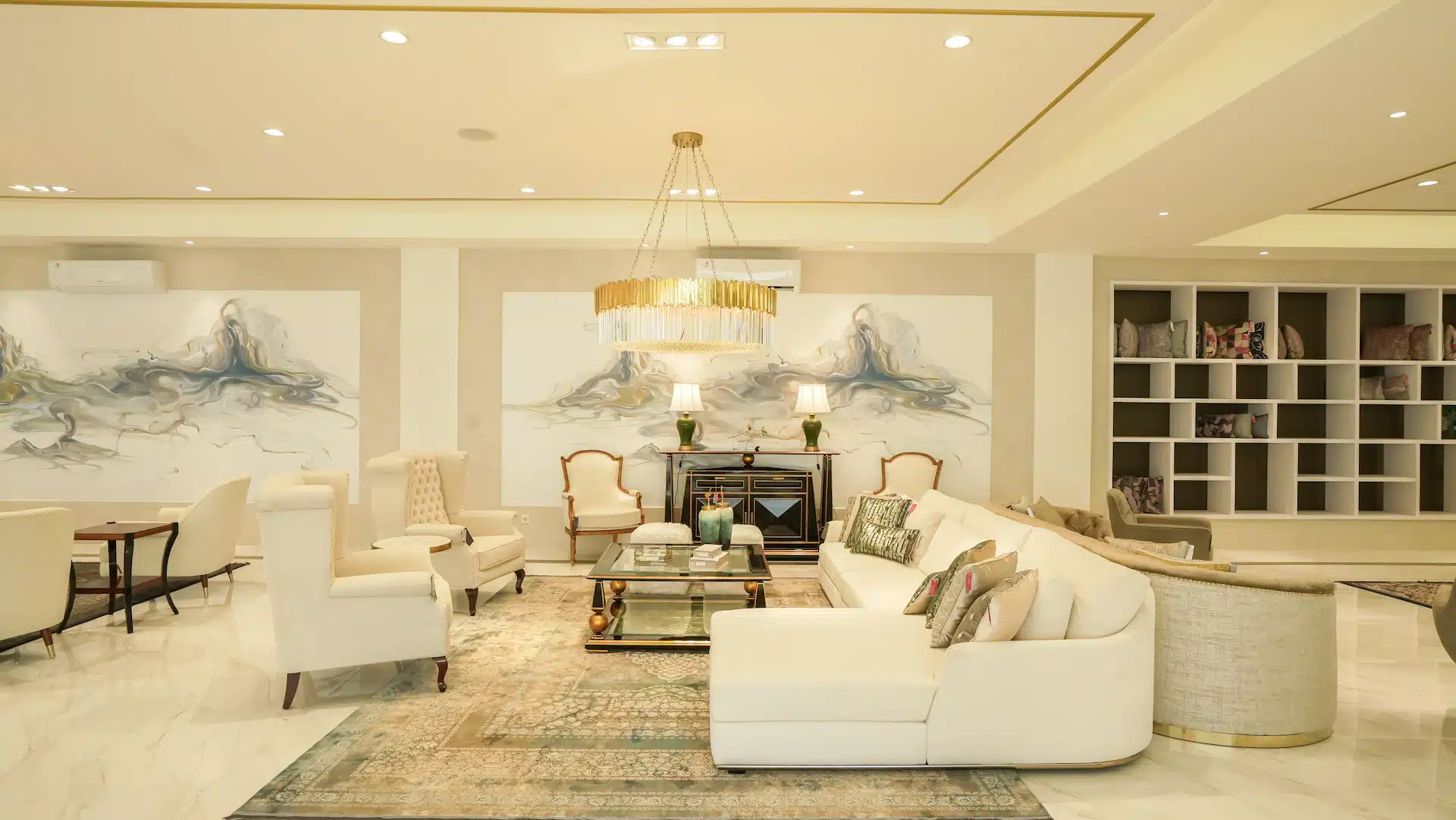
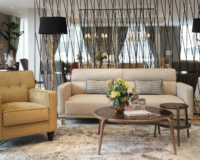
The latest carpet trends increasingly emphasize texture. Textured carpets, tufted styles, or surfaces featuring a mix of high and low pile add visual depth, making an interior feel richer.
Carpets with varying pile heights create a subtle interplay of light and shadow. Consequently, a textured carpet makes for an appealing choice when paired with sofas and other furniture featuring simple designs.
Beyond aesthetics, texture also influences the tactile experience of using the carpet. A softer surface offers comfort in specific areas, whereas a denser texture is a practical choice for high-traffic zones.
If your interior already features numerous patterns, a textured carpet in a neutral tone serves as an excellent alternative. It allows you to introduce visual dimension without cluttering the space with too many patterns.
4. Shaggy Rugs for a More Relaxed Atmosphere
Shag rugs are back in the spotlight, offering a unique tactile experience. Their thick, soft pile adds a layer of comfort to specific areas, making them ideal for bedrooms, lounges, or relaxation spaces.
Additionally, shag rugs help create a warmer atmosphere in rooms featuring neutral-colored furniture. You can pair them with upholstered sofas or wooden furniture to create an engaging contrast in textures.
However, it is important to consider the material and pile length in relation to the room’s usage. Rugs with very long pile require more frequent maintenance, particularly in high-traffic areas.
For busier spaces, opt for a rug that offers a soft texture while remaining easy to clean. This way, you can enjoy comfort without compromising on functionality.
5. A Carpet That Matches the Room’s Color Palette
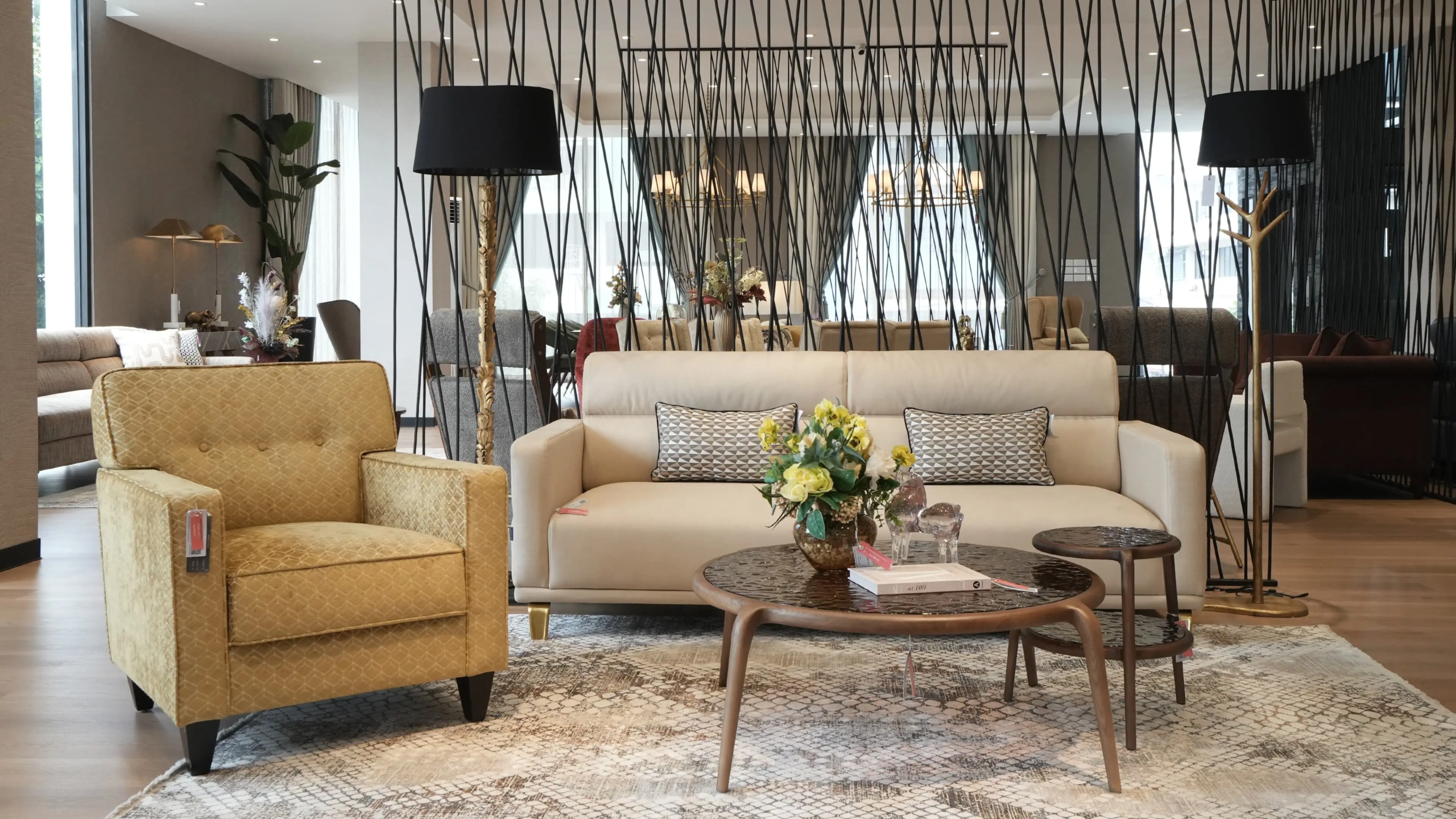
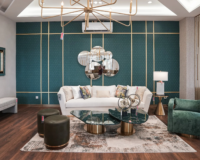
Finally, a rug should not be chosen in isolation from the room’s existing color scheme. Consider the colors of the sofa, walls, and other major furniture pieces to ensure the rug integrates seamlessly with the overall interior.
For rooms with a neutral palette—such as beige, white, or gray—you might opt for an earthy-toned rug to add warmth.
Beyond the color itself, pay attention to the undertones of each element. A rug with warm tones will blend easily with wooden furniture or a brown sofa, whereas cool tones like gray and blue can create a more modern look.
By coordinating the rug with the room’s color palette, you can create a more harmonious interior composition without needing every element to be the exact same color.
Conclusion: Complete the Interior with the Right Carpet
A rug is more than just an accessory; it is an element that ties furniture together while defining the room’s atmosphere. By selecting the right texture, shape, size, color, and pattern, you can create an interior that feels warmer, more elegant, and full of character.
Discover a selection of premium rugs from Home Decor Indonesia via our catalog, or contact our team for recommendations tailored to your space.