 4.9
4.9


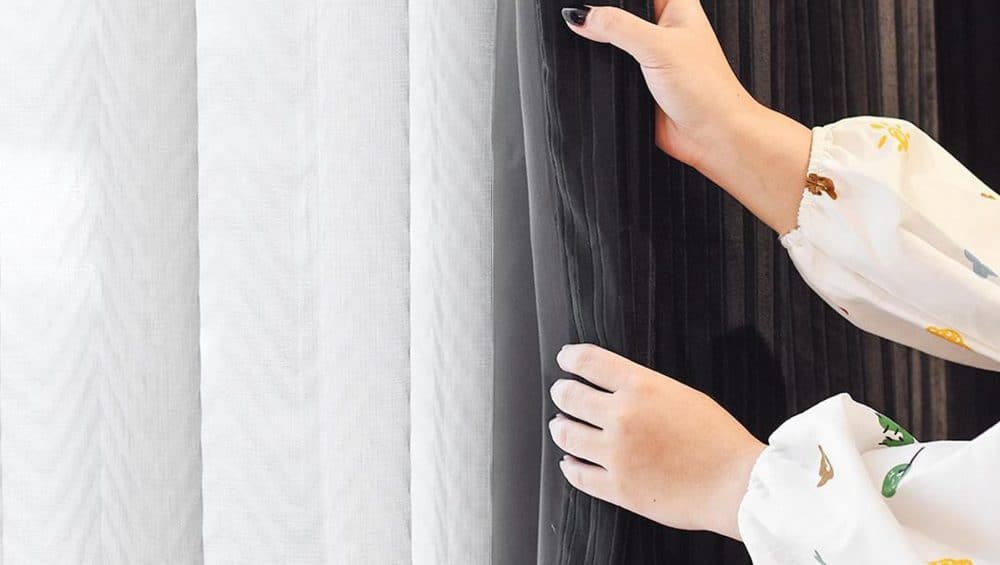
When selecting curtains, homeowners often prioritize the fabric’s color and style. However, several other factors influence the room’s comfort—ranging from light control and privacy needs to the specific characteristics of the curtain material itself.
Blackout and dimout curtains are two popular options often considered for these purposes. While both help regulate natural light and sunlight entering the room, they create distinct lighting effects.
As an interior specialist, Home Decor Indonesia believes that choosing curtains should go beyond mere aesthetics. Factors such as the room’s function, the direction of incoming light, window dimensions, and the installation system all play a role in the final outcome.
So, which type is best suited for your home? Let’s explore the differences in detail by considering the following points.
Getting to Know Blackout Curtains
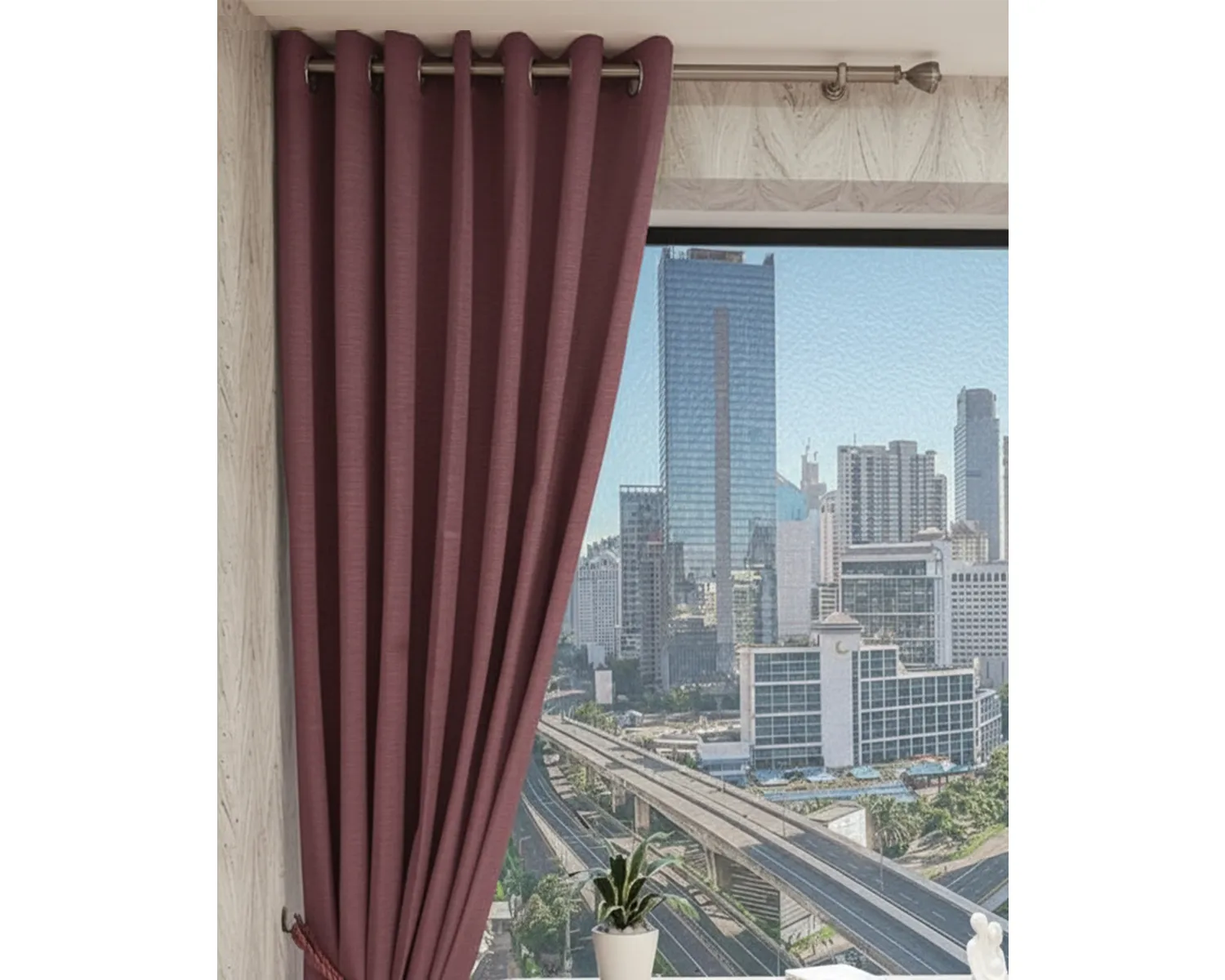
Let us begin with blackout curtains. These curtains are designed to provide maximum light control when closed. This characteristic makes them a popular choice for rooms requiring a dimmer atmosphere and greater privacy.
This capability stems from the curtain’s material construction and—in certain types—the use of an additional fabric layer that helps reduce the amount of light passing through the fabric.
Due to these qualities, blackout curtains are frequently considered for bedrooms, particularly for windows exposed to intense sunlight.
Getting to Know Dimout Curtains
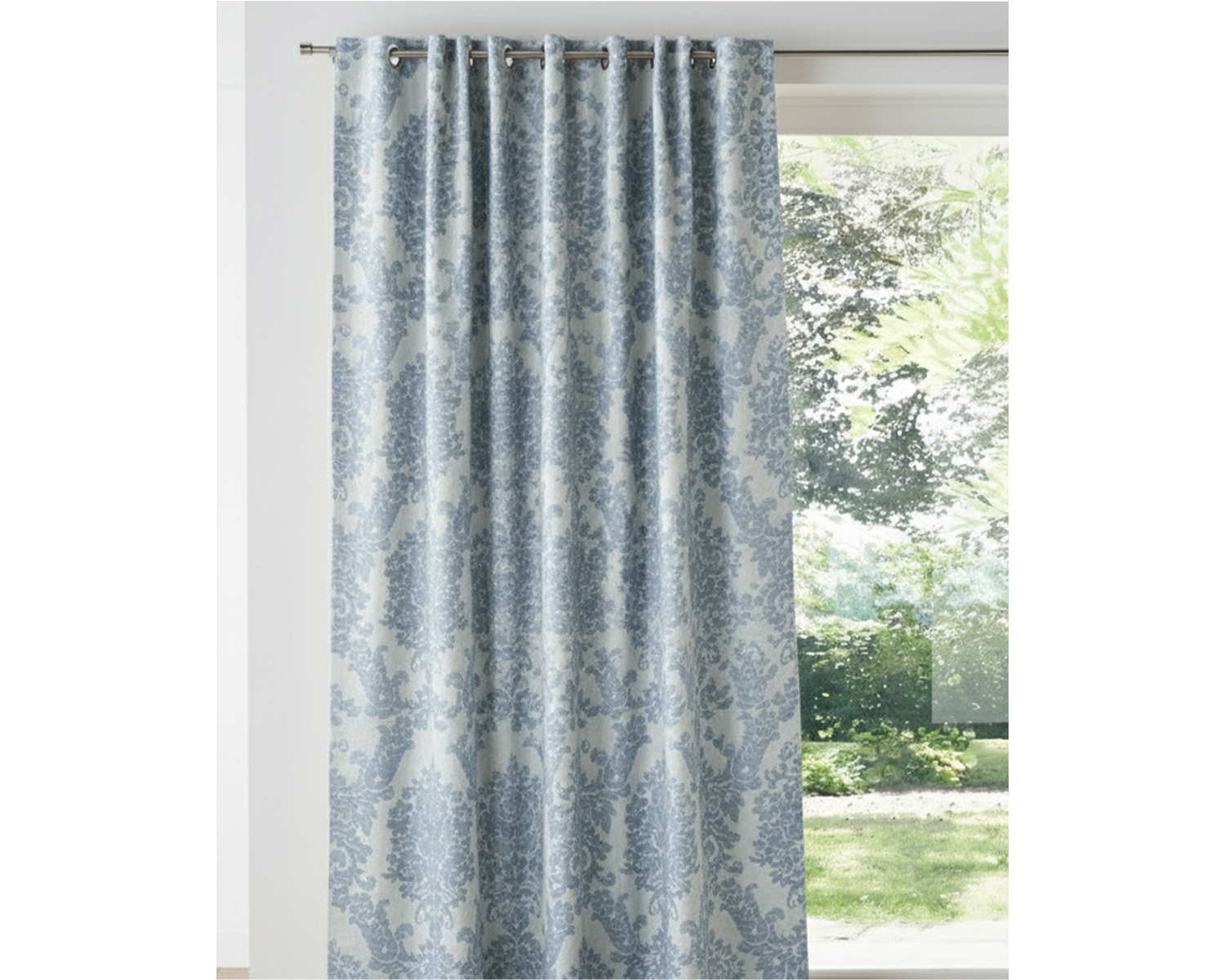
Next are dimout curtains, designed to reduce the intensity of incoming light without sacrificing the brightness provided by natural light. This characteristic makes dimout curtains appealing to homeowners who wish to enjoy natural light while maintaining more precise control over illumination levels.
The relatively lightweight nature of the curtain material allows dimout curtains to be used in various spaces, including living rooms and home offices.
Direct Comparison: Blackout vs. Dimout Curtains
After understanding the characteristics of each curtain model, the next question is: which is better for your home—blackout or dimout curtains? The answer naturally depends on your needs and the style of the room. Let us, therefore, compare the two across the following aspects.
1. Sunlight Blocking Capability
The most noticeable difference lies in light control capabilities. Blackout curtains are designed to maximize light reduction when closed, making them ideal for windows exposed to intense sunlight.
The final result also depends on window size, installation positioning, and any gaps along the sides of the curtains; therefore, light control capability is not determined solely by the fabric type.
Conversely, dimout curtains are designed to reduce the intensity of incoming light while still allowing the room to feel bright and filled with natural light.
Thus, choose blackout curtains for maximum light control, or opt for dimout curtains if you wish to retain natural light at a more controlled intensity.
2. Material Thickness and Its Impact on Room Comfort
Curtain material construction influences both visual and functional characteristics. Blackout curtains generally feature a denser weave or include specific fabric layers to minimize light penetration.
Beyond thickness, consider the fabric texture, as the material’s surface affects the curtain’s appearance when exposed to natural light.
On the other hand, dimout curtains are made of relatively lightweight fabric, making them an attractive choice for rooms that benefit from natural lighting.
3. Aesthetics and Fabric Drape
Selecting curtains for premium interiors involves more than just function; fabric texture and drape determine how the curtains interact with furniture and the room’s architecture.
Dimout fabrics feature a highly flexible weave, resulting in a natural, smooth drape. Meanwhile, blackout curtains create crisp, precise folds, making them perfect for classic or modern minimalist décor styles.
4. Ease of Maintenance and Material Durability
Curtain maintenance should align with the material’s characteristics and the manufacturer’s instructions. This is particularly important for materials featuring specific fabric layers or finishes.
Dimout materials are generally easy to maintain using standard dry-cleaning methods without compromising the beauty of their fiber structure. Meanwhile, blackout fabrics require careful handling to prevent cracking of the protective coating on the back of the fabric.
5. Cost Efficiency and Investment Value
Finally, blackout curtains offer high investment value by providing complete privacy control and savings on air conditioning costs.
However, dimout curtains strike a balance between luxurious aesthetics and everyday functionality, often at a more flexible price point.
A Guide to Choosing the Right Curtains for You
After comparing blackout and dimout curtains, you can make a choice based on your lighting needs and the room’s function. If you desire maximum light control, enhanced privacy, and a dimmer atmosphere, blackout curtains are an excellent choice.
Conversely, if you wish to retain natural light with a softer intensity, dimout curtains may be more suitable. This style is ideal for living rooms or home offices that require a bright atmosphere during the day without harsh light exposure.
Beyond light-filtering capabilities, consider factors such as window orientation, sunlight intensity, room function, privacy requirements, fabric color and texture, and the installation system. These elements influence the final outcome, ensuring your choice isn’t based solely on the “blackout” or “dimout” label.
Ultimately, there is no absolute winner between blackout and dimout curtains; each offers distinct characteristics and functions. Blackout curtains excel at providing superior light control, while dimout curtains strike a balance between natural light and visual comfort.
The best choice depends on your specific needs regarding the room, light direction, interior style, usage habits, and desired level of privacy.
If you are considering new curtains, compare the characteristics of blackout and dimout options against your room’s conditions. This approach ensures a more appropriate choice—one that goes beyond merely following current interior design trends or aesthetics.
Find a Model that Suits the Room.
Once you understand the differences between blackout and dimout curtains, the next step is to consider the styles and materials that best suit your space’s character. Take into account factors such as lighting needs, privacy levels, window dimensions, and interior style before making your choice.
Home Decor Indonesia offers a wide range of curtains featuring materials, colors, textures, and installation systems that can be tailored to your interior requirements. A made-to-measure approach ensures curtains are crafted to fit specific window sizes and characteristics, resulting in a more balanced and proportional look.
You can explore various curtain options to compare material qualities and find the ideal window treatment solution for your space—whether for a bedroom, family room, living room, or any other area.
Discover more of Home Decor Indonesia’s curtain collections to compare options and select the style that best complements your interior.