 4.9
4.9


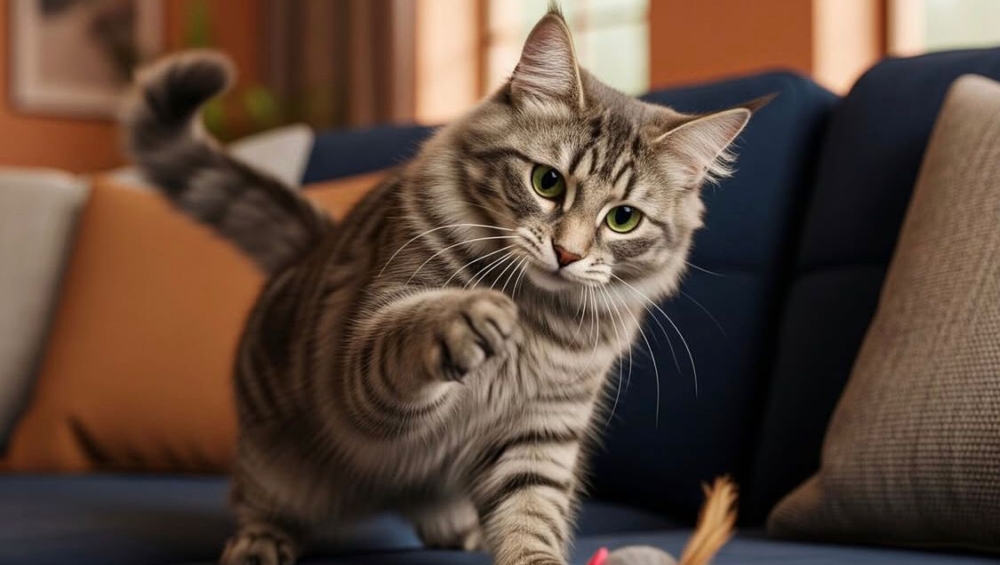
Having a cat at home is certainly delightful. However, beneath their adorable antics lies a habit that often worries owners: scratching the sofa. Faced with this, you might wonder how to repair a cat-scratched sofa and restore it to its former condition.
In reality, there is no need to panic or rush out to buy a new sofa. As long as the damage isn’t too severe, parts of the sofa can often be repaired using techniques suited to the specific material. Proper treatment can also prevent minor scratches from escalating into major damage.
At Home Decor Indonesia, we believe that sofa repair should go beyond simply hiding scratch marks. Factors such as the material’s characteristics, the extent of the damage, and the repair techniques employed must all be considered to ensure the final result is as beautiful as the original.
With that in mind, here are the steps you can take to restore your sofa to its original beauty.
1. Identify the sofa material first
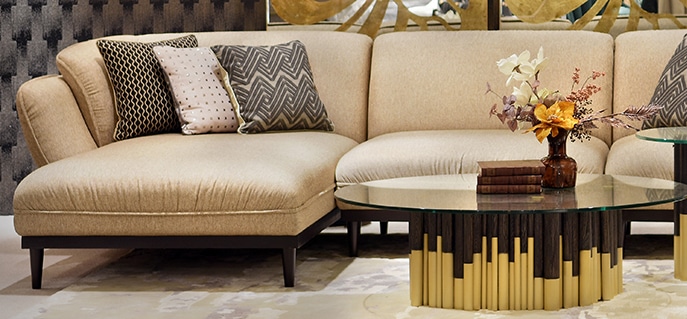
First of all, you need to identify the type of sofa upholstery material that has been scratched. This step is crucial because each material has distinct characteristics.
Generally, sofas are made from various materials, such as fabric, genuine leather, linen, and velvet.
For instance, fabric sofas often suffer from pulled fibers or loose threads caused by cat claws. In contrast, leather sofas are more prone to surface scratches or even small tears if the scratching is deep.
Quick tips for identifying sofa materials:
- Fabric has a clearly visible thread texture.
- Genuine leather features natural pores and feels more supple.
- Synthetic leather has a smoother, more uniform surface.
- Velvet feels soft and exhibits a color-shifting effect depending on the direction of the pile.
Identifying the material from the start makes the repair process more effective and ensures a neater final result.
2. Trim Loose Fibers on Fabric Sofas
If a fabric sofa has only suffered from pulled fibers or loose threads, you do not need to immediately replace the upholstery. Such damage is considered minor and can be repaired at home.
However, never pull on the loose threads. Doing so will cause the fabric weave to loosen further and enlarge the damaged area.
Instead, use small, sharp scissors to carefully trim the protruding fibers until they are flush with the fabric surface. Afterward, use a fabric shaver or lint remover to smooth the surface and restore the sofa’s neat appearance.
If the fibers appear slightly raised, you can brush them with a soft-bristled brush to help the texture blend back in with the surrounding fabric.
This simple method can effectively conceal light scratch marks, making the sofa look like new again—particularly with dark-colored sofas or those featuring textured patterns.
3. Use a leather repair kit for leather sofas.
Leather sofas require more careful handling than fabric ones, as even minor scratches on the leather surface can be clearly visible—especially on light-colored sofas.
If the scratch has not torn through the leather, you can use a leather repair kit. These kits typically include leather filler, leather dye, an applicator, and a protective coating (sealant). The steps are as follows:
- First, clean the damaged area with a microfiber cloth to ensure dust and oil do not interfere with the repair process.
- Next, apply a thin layer of leather filler to the scratched area. Once the filler has dried, lightly sand the surface if necessary.
- Then, use a leather dye that closely matches the sofa’s original color. Apply it gradually until the color looks uniform.
- Finally, apply a sealant to protect the repaired area from everyday wear and tear.
Color matching is the most critical step; therefore, test the dye on a small, inconspicuous area before applying it to the entire damaged section.
4. Cover the tear with a fabric patch if necessary.
If cat scratches have caused a small tear in a fabric sofa, a fabric patch offers a practical solution.
A fabric patch serves to cover the tear while preventing the damage from spreading during daily use.
However, choose a patch with a color, pattern, and texture that closely match the sofa’s original fabric to ensure a more natural-looking result.
Once you have selected a suitable patch, attach it using fabric-specific glue or sew it on by hand, provided the tear’s location allows for it.
Ensure the patch is securely adhered on all sides so it does not easily come loose from friction.
Generally, fabric patches are highly effective for minor damage in less conspicuous areas, such as the sides or back of the sofa. Conversely, if the tear is located on the main seating area, reupholstering usually yields a much neater result.
5. Repair Major Damage with Professional Help

Not all sofa damage can be repaired via DIY methods. If scratches have caused large tears, exposed the foam, split main seams, or resulted in extensive peeling of the leather, it is best to leave the repair to professionals.
This approach is actually more advantageous than attempting a DIY fix, which carries the risk of worsening the damage.
Professional technicians typically conduct a thorough inspection of the sofa’s structure, examining everything from the frame and foam to the upholstery. They then determine whether a partial repair suffices or if the upholstery needs to be replaced entirely.
As a premium furniture provider, Home Decor Indonesia always recommends that owners opt for restoration when a sofa has sustained severe damage. In many cases, a well-constructed sofa can remain in use for years following professional repair.
Prevent Your Cat from Scratching the Sofa Again
Once the sofa has been successfully repaired, the next—and equally important—step is to prevent your cat from resuming its scratching habit.
It is important to understand that scratching is a natural instinct for cats. They do it to sharpen their claws, mark their territory, and stretch their muscles. Therefore, your goal should not be to stop the behavior entirely, but rather to redirect it to an appropriate outlet.
Here are some strategies you can use:
- Place a scratching post in the area.
- Provide interactive toys to keep your cat from getting bored.
- Trim your cat’s claws regularly.
- Use protective covers on the sofa arms.
- Offer a reward when your cat uses the scratching post.
Additionally, you can spray a cat-safe deterrent on the areas of the sofa that are frequently scratched. The scent typically discourages cats from approaching those spots without damaging the sofa material.
Consistency is key. The more regularly you redirect your cat’s behavior, the sooner the habit of scratching the sofa will diminish.
Consider using a sofa made of pet-friendly material.
If you keep multiple cats at home, simply repairing your sofa isn’t always a long-term solution. Instead, you should consider using upholstery materials specifically designed for homes with pets.
At Home Decor Indonesia, we offer a collection of pet-friendly fabrics developed to strike a balance between premium aesthetics, comfort, and durability.
These pet-friendly materials feature a tighter weave, minimizing the risk of snagging caused by light scratching. Additionally, they are easier to clean, making it simple to remove pet hair and everyday stains.
Some of the pet-friendly collections available at Home Decor Indonesia include:
- Terra NW, featuring a tight weave structure that helps prevent pet hair from sticking and offers greater resistance to daily wear and tear.
- Micro Solar, which boasts a smooth surface, is easy to clean, and is ideal for everyday use.
- Micro Letto, offering a soft texture and good breathability while remaining resistant to pet hair and light scratching.
Combining the right upholstery material with an understanding of cat behavior helps maintain your sofa’s elegant appearance for longer. So, if you are planning to buy a new sofa or reupholster an existing one, choosing pet-friendly fabrics is a wise investment.