 4.9
4.9


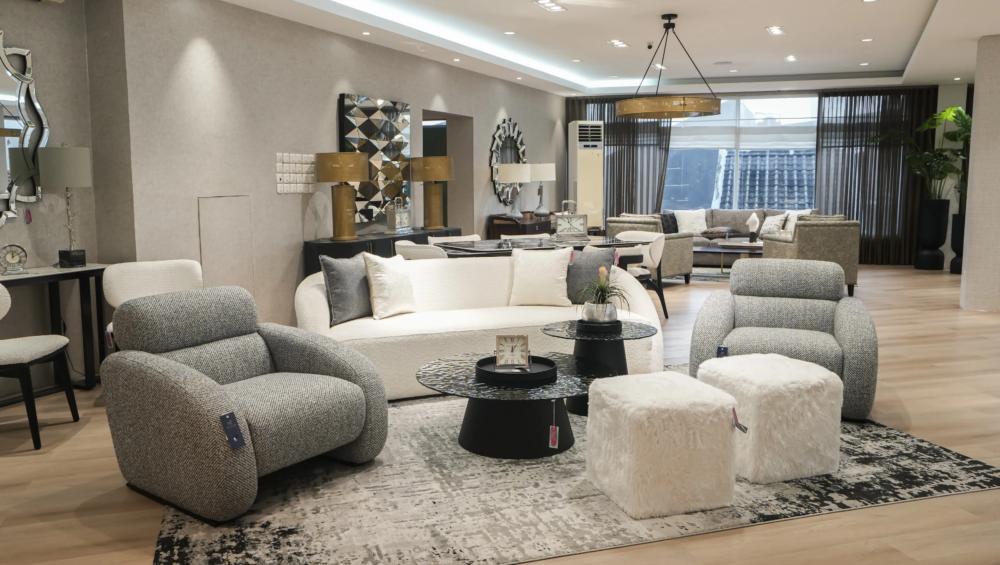
Imagine entering a room that feels warm from the moment you step inside. Soft light fills every corner, interior materials appear more vibrant, while the overall space creates a calm and elegant atmosphere.
Without realizing it, you’ll want to linger and enjoy it. This impression often comes not just from the furniture or decor, but also from the lighting design.
Behind premium interiors, light doesn’t just serve to complement the space. Interior designers use it as part of the design composition. Typically, this is achieved through layered lighting techniques, which involve arranging multiple layers of light so that each area has a distinct character, function, and atmosphere.
When each layer of light works harmoniously, the room not only feels bright but also has visual depth and a more vibrant atmosphere. So, how can you create layered lighting to make your home interior feel warmer, more comfortable, and more luxurious?
1. First determine the activities that will occur in the room.
Good layered lighting begins with understanding how a room will be used, not simply choosing attractive lighting.
Therefore, in the lighting design process, interior designers typically first map out the activities occurring in each area before determining the position, quantity, and type of lighting to be used.
For example, a living room designed as a relaxing area naturally requires warmer, softer lighting to create a comfortable atmosphere. This is different from a work area or reading nook, which requires more targeted interior lighting to maintain focus without tiring the eyes.
In essence, layered lighting not only makes a home feel brighter but also creates a comfortable, balanced atmosphere that optimally supports daily activities.
2. Arrange Lighting in Multiple Layers
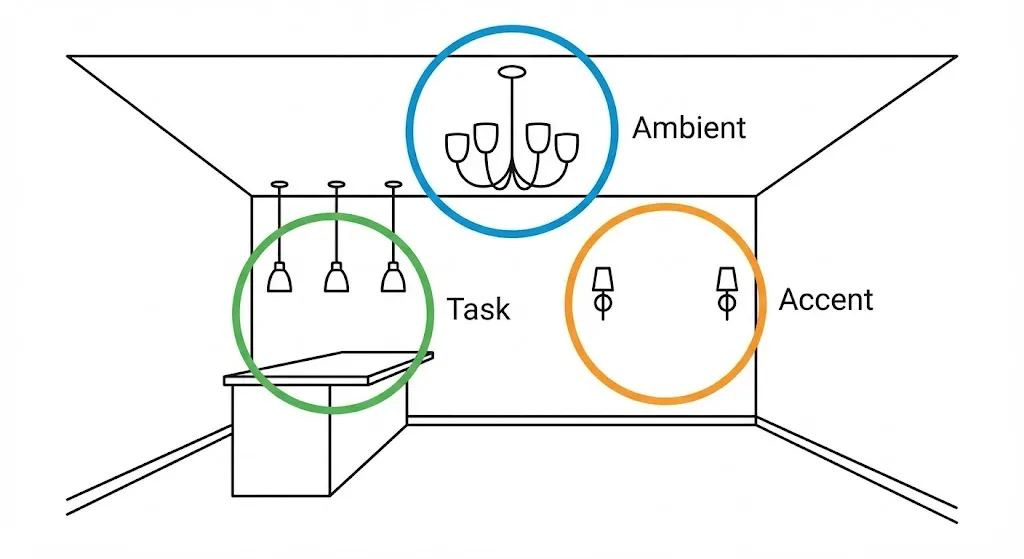
One of the most common mistakes when designing lighting is relying on a single main light to illuminate the entire room.
While the room may appear bright, this approach actually makes the interior feel flat because every corner receives the same light intensity. In the layered lighting concept, lighting is built through several complementary layers.
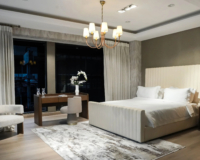
The first layer is ambient lighting as the main light source, providing even illumination throughout the room, for example through downlights, recessed ceiling lights, or chandeliers positioned as the main lighting.
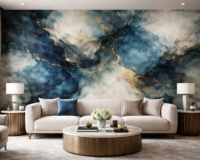
After that, task lighting is added to specific areas to support activities, such as reading, working, or cooking. For example, a table lamp next to the sofa for reading, or a pendant lamp above the dining table.
Finally, accent lighting is used to highlight decorative elements, material textures, and architectural details, giving the interior a richer visual dimension. This can be implemented using a standing lamp in the corner of the living room or a spotlight directed at artwork.
When these three layers work together, the room not only feels bright but also achieves a balance between function and aesthetics. This is what makes premium interiors appear more lively, comfortable, and able to create a different atmosphere in every corner of the space.
3. Adjust the Light Intensity, Don’t Just Add More Lights
Another common mistake in home lighting is assuming that more lights will make a room feel more comfortable. However, premium interiors avoid excessively bright and even lighting, as this can diminish the space’s dimension.
Interior designers typically adjust light intensity according to the function of each area. For example, living rooms generally use softer lighting than kitchens or work spaces, which require higher visibility.
This difference in intensity creates visual layering, a transition of light that makes a room feel more dynamic without compromising comfort.
For modern homes, warm white LED lighting is also often chosen because it creates a warm atmosphere while making furniture colors, fabric textures, and even natural stone materials appear more natural.
4. Maximize Indirect Lighting to Create a Warmer Mood
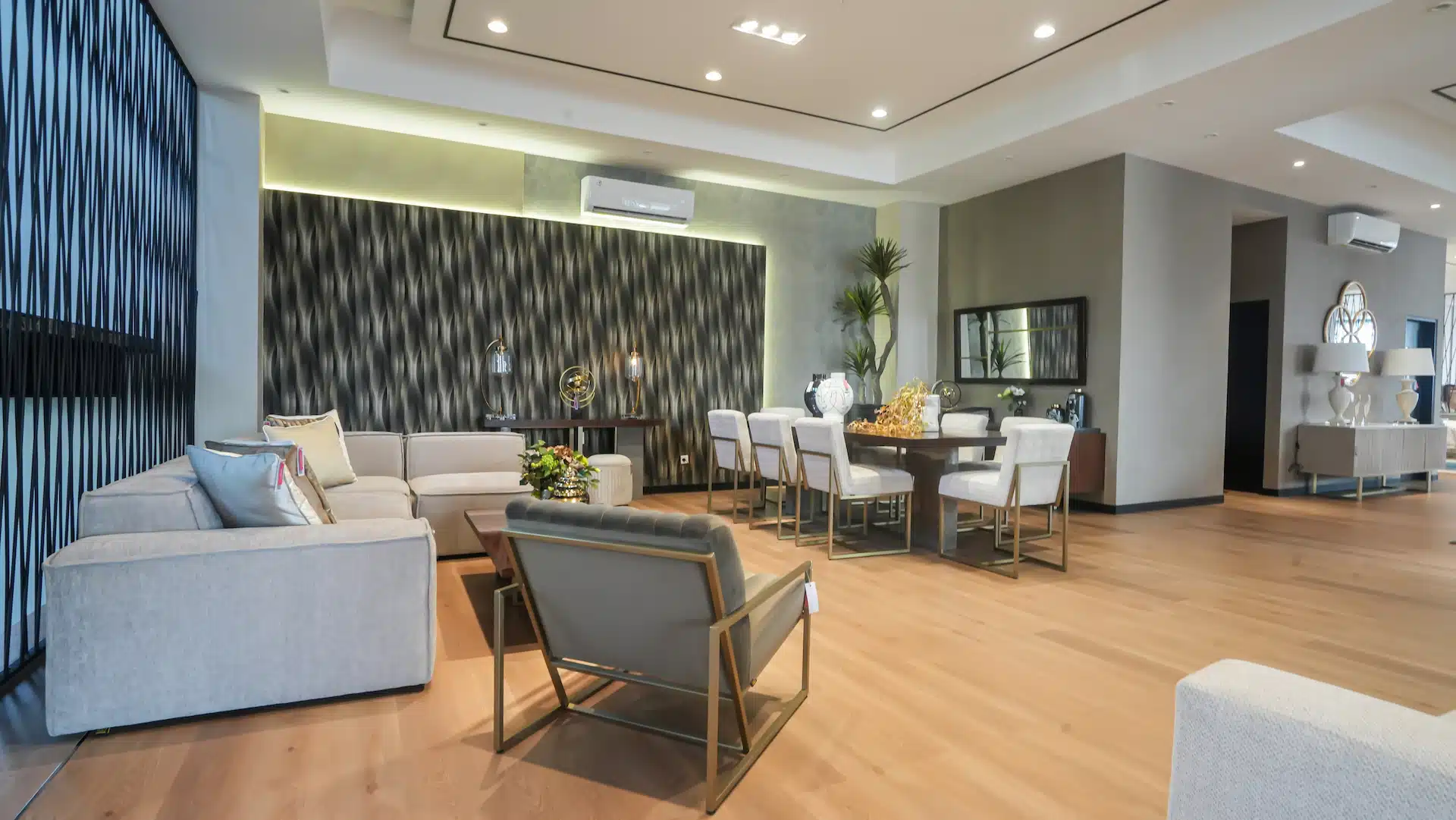
One of the hallmarks of a luxury interior is the lack of dazzling light. Instead, many designers opt for indirect lighting, a technique that conceals the light source so that only its reflection on walls, ceilings, or other architectural elements is visible.
This technique can create softer mood lighting, creating a warm and comfortable atmosphere, especially at night.
It’s no surprise that a similar concept is widely applied in hospitality lighting, such as in star-rated hotels, fine-dining restaurants, and premium lounges, as it creates a more exclusive space experience.
Now, this technique is also increasingly easy to implement in modern homes through the use of LED strips and smart lighting, which allow light intensity and color to be adjusted to suit the desired activity or atmosphere.
5. Provides Flexibility Through Light Control Systems
Layered lighting actually depends not only on the placement of the lamps, but also on their ability to adapt to various activities.
Therefore, modern interiors are starting to use dimmers and smart lighting so that light intensity can be adjusted according to needs.
When receiving guests, for example, the lighting can be dimmed to create an active atmosphere. Conversely, when relaxing in the evening, the light intensity can be lowered. This creates a warmer and more relaxing feel in the room without the need to change the lighting source.
Start with one room at a time
Implementing layered lighting doesn’t necessarily mean replacing your entire home’s lighting system all at once. Instead, you can start with one of the most frequently used rooms, such as the family room or dining room.
From there, you can play around with how the combination of ambient lighting, task lighting, and accent lighting works to create the room’s ambiance.
Once you find the right combination, it’s much easier to apply the same concept to other areas, creating a more harmonious lighting character throughout the home.
Remember, the primary goal of layered lighting is to create a comfortable, functional interior that offers a richer visual experience.
Layered Lighting Inspiration for Your Home
Good lighting feels even more effective when combined with furniture that has the right proportions, materials, and design character. The combination of the two creates an interior that’s comfortable to use every day.
If you’re looking for inspiration to create a warm and elegant modern home, explore the wide range of premium furniture collections from Home Decor Indonesia. Discover a diverse selection of designs designed to blend harmoniously with the layered lighting concept, making every corner of your home feel more vibrant, classy, and timeless.