 4.9
4.9


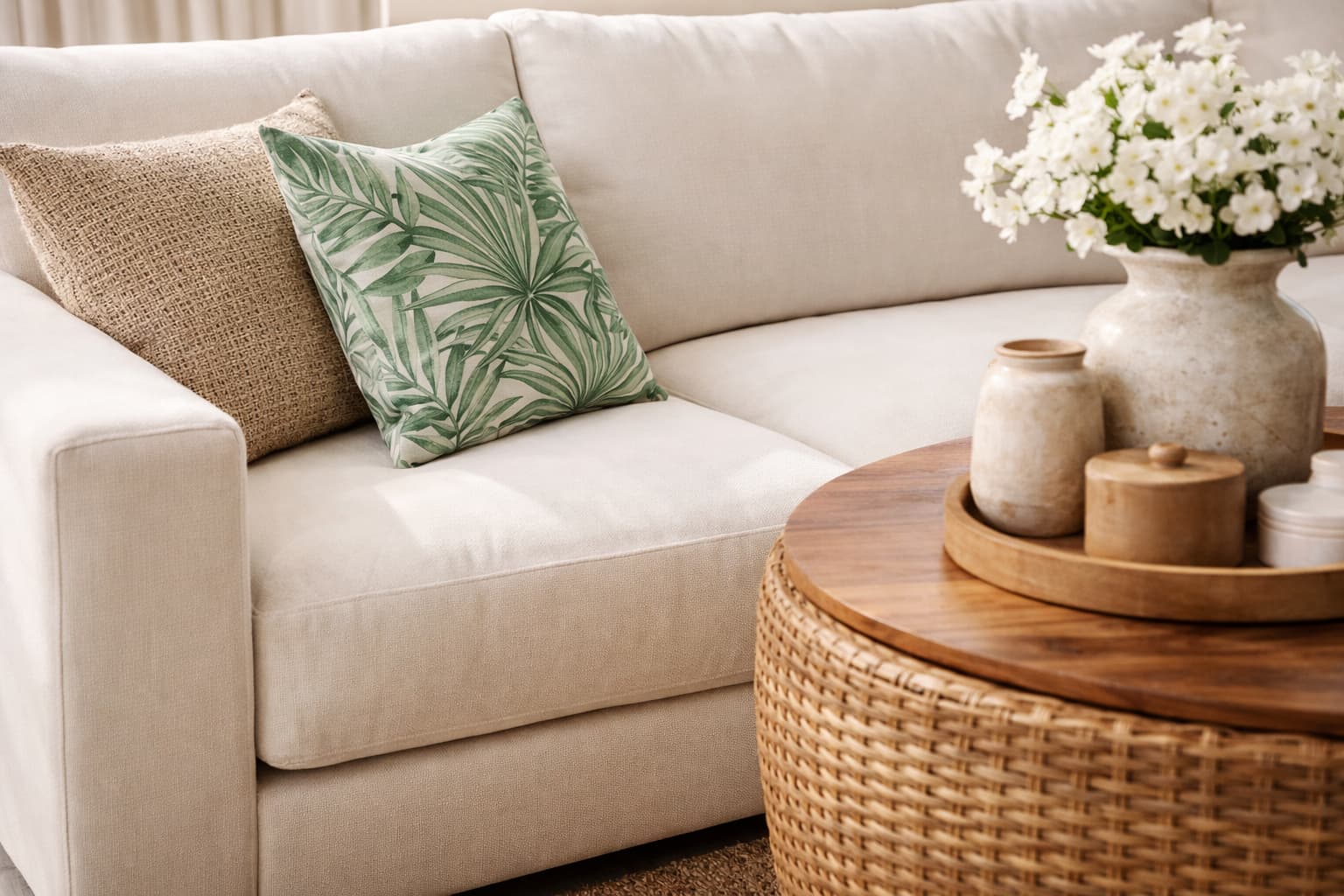
Color selection is an important consideration when choosing a sofa. However, an attractive appearance when first purchased may not necessarily survive daily use.
Over time, the color of the fabric can look dull, fade, and even change in certain parts. For this reason, you need to understand the color durability factor of sofa fabric.
In the textile industry, the ability of fabric to retain color is often called color fastness. This factor shows how well the color of the fabric survives when exposed to various conditions, such as light, friction, and humidity.
So, what factors can influence the color durability of sofa fabric? Here are the factors you need to pay attention to.
1. Type of Fiber Used in Fabric
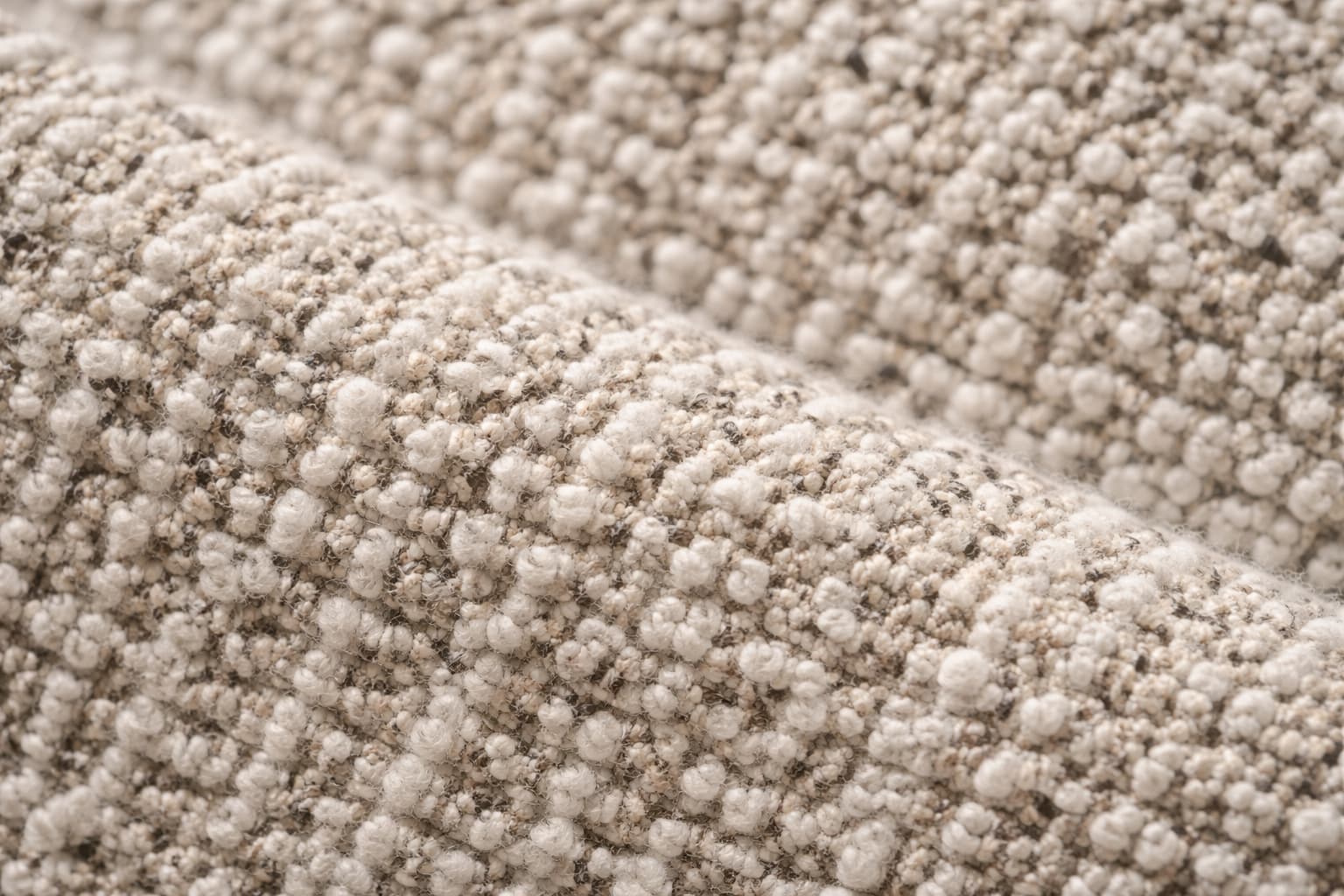
Fiber type is a fundamental factor influencing the colorfastness of sofa fabric. This is because each fiber possesses unique characteristics regarding how it absorbs and retains dye.
Sofa fabrics typically utilize natural fibers—such as cotton or linen—or synthetic ones like polyester. Since each material has distinct properties, their performance characteristics cannot simply be equated.
Beyond fiber type, the fabric structure also influences the visual appearance of the color on the surface. Factors such as weave construction, yarn density, and finishing processes can all impart different visual characteristics and performance qualities.
Therefore, do not choose a fabric based solely on the material name; it is advisable to consult the manufacturer’s performance specifications as well. This approach helps ensure you select a fabric that is not only visually appealing but also suited to the sofa’s intended level of usage.
A quick tip: If the sofa will see daily use, inquire about the fiber type, fabric construction, and colorfastness test results before making your final choice.
2. The Coloring Method Affects How Strongly the Color Adheres
Beyond fiber type, the dyeing method also influences a fabric’s ability to retain its color. Manufacturers employ various dyeing techniques depending on the fiber type and the desired fabric characteristics. One such method is solution dyeing, a process in which color pigments are added to the solution before the fibers are formed.
This method can provide excellent color durability for certain materials because the color is not merely applied to the fabric’s surface. However, the fabric’s ultimate performance still depends on the fiber type, pigment quality, and the testing conducted by the manufacturer.
Therefore, you should not view any single dyeing method as an absolute guarantee against color change.
Instead, use this information as a factor to consider when comparing upholstery materials. If a manufacturer provides color fastness data, you can use it to gauge how well the fabric withstands specific usage conditions.
3. Intensity of Sunlight Exposure and UV Radiation
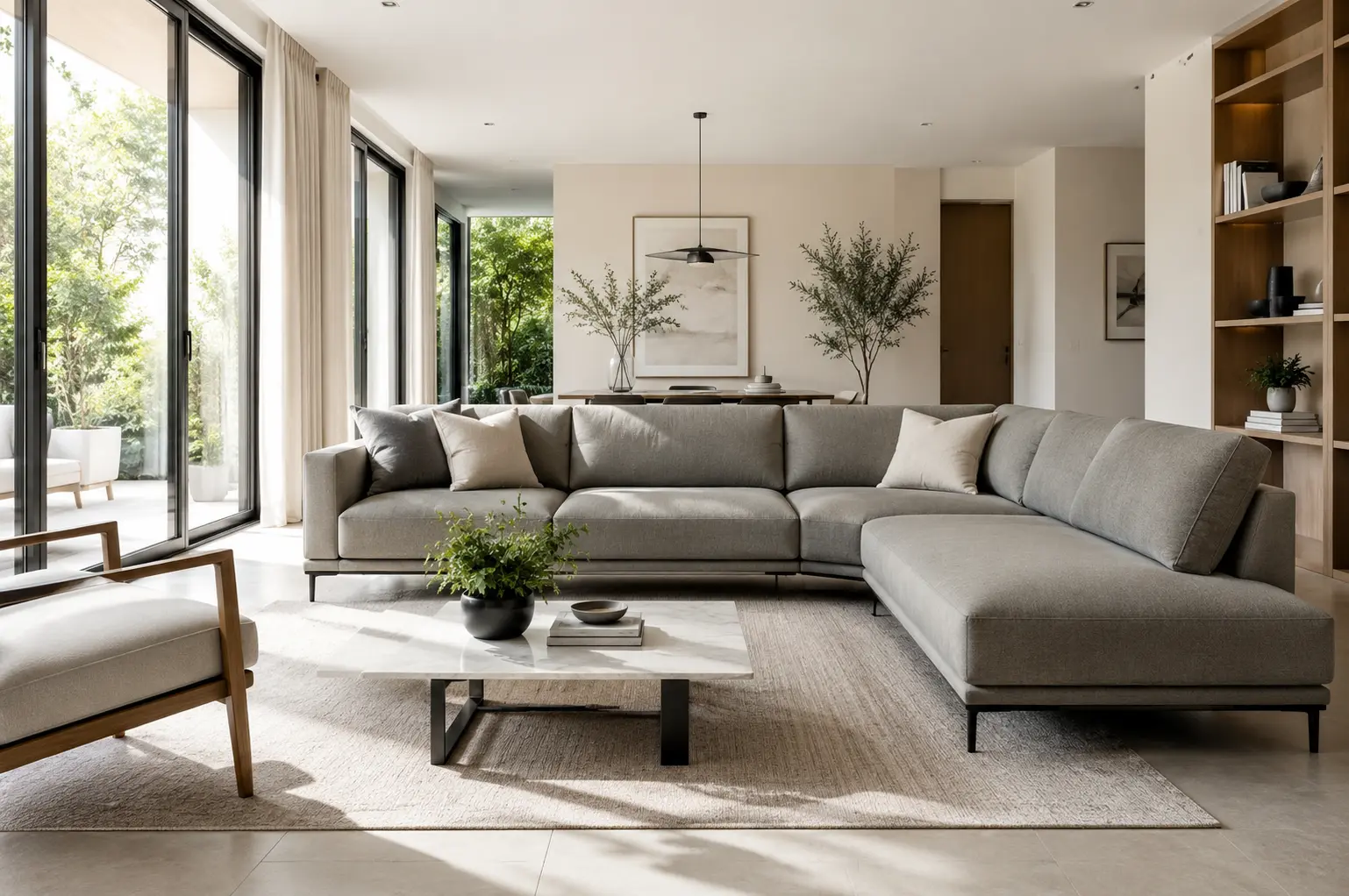
A sofa’s placement can also affect its color durability. A sofa situated near a window with direct light exposure faces a different risk of color change compared to one located in an area with lower light levels.
Ultraviolet (UV) radiation is a factor that can cause changes in textile color. Therefore, color fastness to light is an important consideration when selecting upholstery for areas subject to significant light exposure.
Under the ISO 105-B02:2014 standard, a textile’s color fastness to light can be tested using an artificial light source—specifically, a xenon arc fading lamp. This test assesses color changes in the textile after exposure to light under controlled conditions.
Consequently, if a sofa is to be placed near a window, pay attention to the manufacturer’s specifications regarding color fastness to light. You can also reduce direct light exposure by using sheer curtains, blinds, or drapes as an additional protective measure.
4. Level of Friction and Frequency of Use
The more frequently you use a sofa, the more often the fabric surface is subjected to friction. Simple actions such as sitting, shifting, or leaning back can exert repetitive pressure on the upholstery.
This necessitates paying attention to two distinct factors: color fastness to rubbing (crocking) and the fabric’s resistance to abrasion.
According to the American Association of Textile Chemists and Colorists (AATCC), “color fastness to crocking” measures the extent to which color transfers from a textile surface to another surface due to friction. This test can be performed under both dry and wet conditions.
Meanwhile, a fabric’s abrasion resistance is assessed via the Martindale test, which measures the material’s ability to withstand repetitive friction. Results are expressed in the number of rubbing cycles the fabric can endure before reaching a specific level of damage.
Both tests are important considerations when selecting upholstery, as friction on a sofa can affect not only the color but also the condition of the fabric surface.
For family room sofas used daily, consider the specifications for color fastness to crocking and abrasion resistance to ensure the chosen material is suitable for the intensity of use.
5. Air Humidity and Potential for Liquid Spills
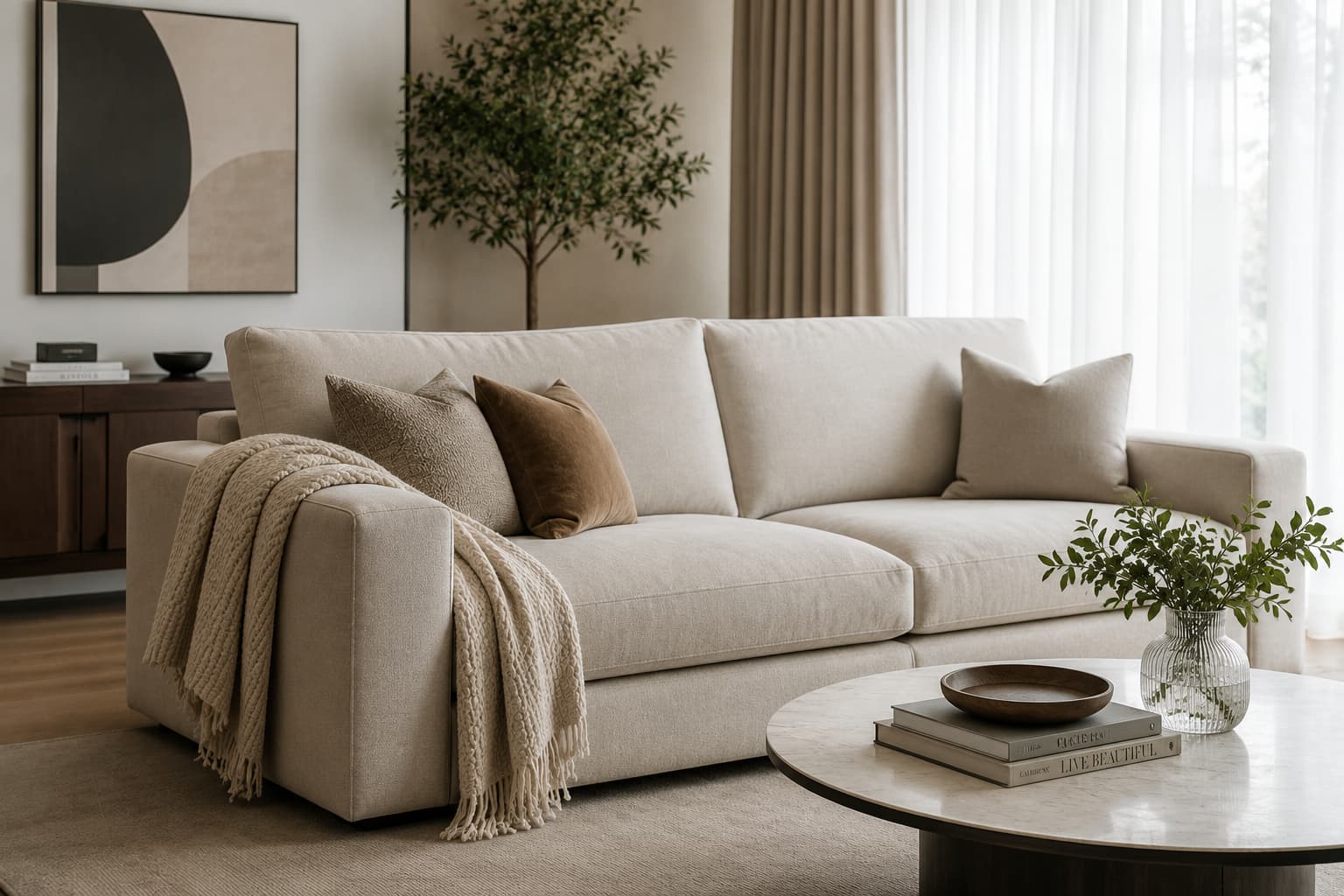
The final factor that can affect a sofa’s color retention is humidity. Rooms with high humidity, for instance, require extra attention regarding fabric care.
Beyond atmospheric humidity, sofas also face a simpler yet frequent risk: liquid spills. Coffee, tea, water, or other liquids can soak into the fabric surface and leave stains if not addressed immediately.
In certain situations, liquids can also carry dirt into the surface or deeper layers of the fabric. Therefore, do not delay cleaning up any spills.
Immediately blot up the liquid with a clean cloth without rubbing the surface aggressively. Afterward, follow the care instructions specific to the upholstery type.
In addition to preserving the color, this practice helps maintain the overall condition of the material.
How Do You Choose Sofa Fabric with Good Colorfastness?
Now that you understand the factors affecting sofa fabric color durability, you will likely want to look beyond mere appearance when making your choice. Instead, examine specific technical details that help assess performance.
First, consider the fiber type and fabric construction; this information helps you understand the material’s fundamental characteristics.
Second, inquire about color fastness testing. If the sofa will be placed near a window, pay particular attention to its color fastness against light exposure.
Third, consider abrasion resistance if the sofa will see heavy use. Be sure to distinguish between the Martindale rating and color fastness to rubbing, as they measure different performance aspects.
Finally, match the material to your room conditions and lifestyle habits. A sofa for a formal living room has different requirements than a family sofa used on a daily basis.
By taking this approach, you ensure that your choice is based not just on attractive color, but also on how the material will perform in your everyday life.
Sofa Fabric Color Fastness Factors to Check
To better understand the differences between each factor, you can use the following table as a guide before selecting upholstery.
| Factor | Risks Associated with Sofas | Specifications to Check |
| Fiber Type | Color and fabric performance vary depending on the material. | Fiber type and fabric construction. |
| Staining method | Colors have varying levels of durability. | Dyeing methods and color fastness data. |
| Light Exposure | Colors can fade. | Color fastness to light. |
| Friction | The color may change, or the fabric surface may undergo abrasion. | Color fastness to rubbing dan martindale. |
| Fluids and Care | Stains, changes in appearance, or damage resulting from improper care. | Care instructions and material characteristics. |
Make Your Dream Living Room Come True with Durable Fabric Sofas
Choosing a sofa involves more than just finding a color that complements your interior design concept; you must also consider how the color and material will hold up after years of use.
Factors such as fiber type, dyeing methods, sunlight exposure, friction, and environmental conditions all influence the color durability of sofa fabrics.
Therefore, select materials based on the specific needs of the space rather than just following color trends. With the right choice and regular maintenance, your sofa can remain a focal point of the living room without losing its elegant character.
If you are still searching for the ideal material, explore various upholstery options to understand the characteristics, textures, and appearances of available fabrics. Then, align your choice with the sofa’s placement, the intensity of its use, and your desired interior style.
Meanwhile, if you are looking for furniture to complete your living room, the range of sofas from Home Decor Indonesia offers excellent inspiration for finding the perfect blend of design and material.